
Contact Info
- Greensboro, NC 27406
- Call: 336-707-0498
- Text: 336-707-0498
-
Mon - Fri: 8am - 4pm
Sat - Sun: Closed
Contact Info
North Carolina summers bring more than heat—they bring humidity that threatens your home and health. Learn the control strategies that actually work.
That sticky, heavy feeling when you walk into your home after work isn’t just annoying. It’s a warning sign. North Carolina summers push indoor humidity well past comfortable levels, and your home is absorbing every bit of that moisture. Left unchecked, you’re looking at mold growth, wood rot in your crawl space, and air quality issues that affect how your family breathes. The good news? You can take control. This guide walks you through the strategies that actually work in Guilford County’s climate—from choosing the right dehumidifier to optimizing your HVAC system and protecting your crawl space from becoming a moisture factory.
North Carolina’s humidity isn’t a summer-only problem, but June through August is when it peaks. Guilford County regularly sees humidity levels above 70%, with some days pushing close to 90% during summer months. That’s not just uncomfortable—it’s well into the danger zone for your home.
Here’s what most people don’t realize: your home acts like a sponge. When outdoor humidity is high, moisture finds its way inside through every crack, vent, and opening. Your crawl space pulls in damp air. Your HVAC system struggles to keep up. And before you know it, you’re dealing with condensation on windows, musty smells, and the perfect breeding ground for mold.
The magic number to remember is 60%. Once indoor humidity climbs above that threshold, mold can start growing within 24 to 48 hours. Your ideal target? Somewhere between 30% and 50% year-round. That’s the sweet spot where your home stays comfortable, your family breathes easier, and your structure stays protected.

The subtropical climate here creates a perfect storm for moisture issues. It’s not just about temperature—it’s about how warm, humid outdoor air behaves when it meets your cooler indoor spaces. When that happens, you get condensation. And condensation means water where you don’t want it.
Your crawl space is ground zero for this battle. In many Guilford County homes, up to 40% of the air you breathe upstairs actually comes from your crawl space. If that space is humid, damp, or growing mold, that’s what you’re breathing. The stack effect pulls air up from below, carrying whatever contaminants are down there straight into your living areas.
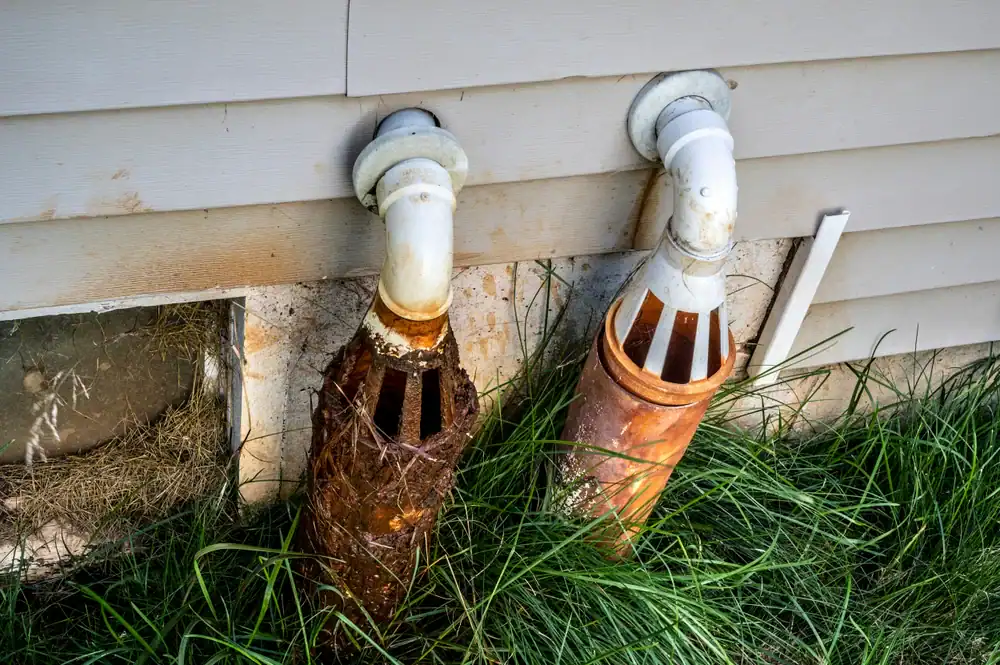
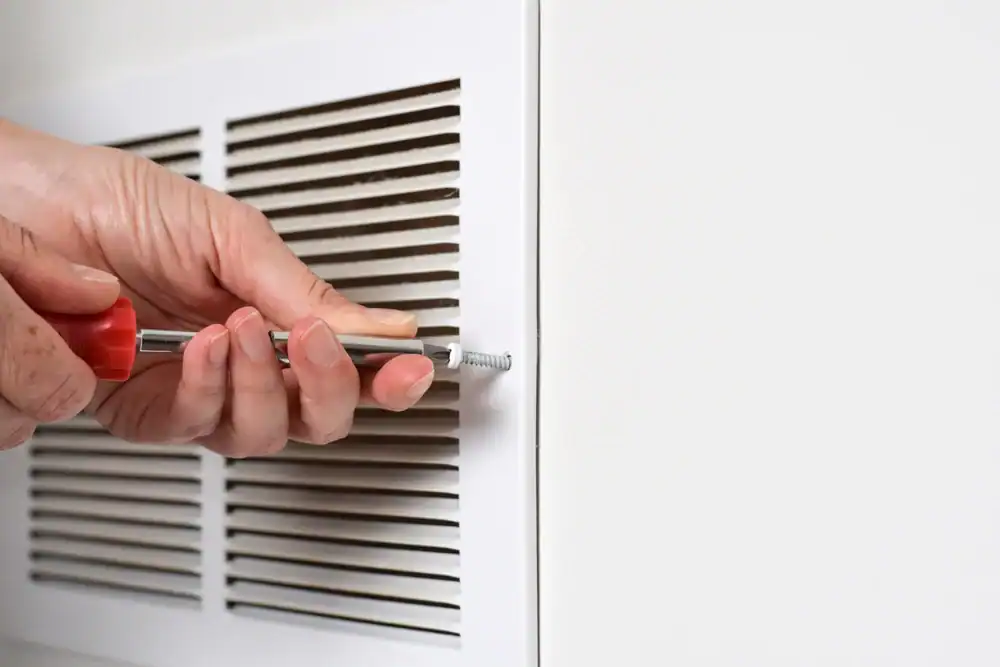
Traditional vented crawl spaces—the kind most homes were built with—actually make the problem worse in our climate. Those vents were supposed to help air circulation, but what they really do is invite humid outdoor air inside during our long, muggy summers. That humid air hits the cooler surfaces in your crawl space and condenses, creating the exact moisture problem the vents were meant to prevent.
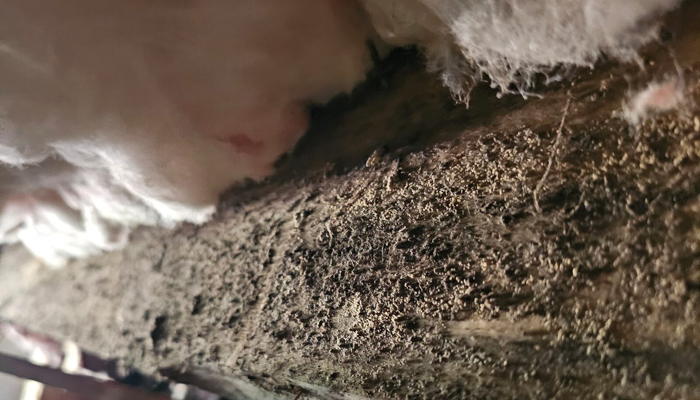
Wood structures in your crawl space are particularly vulnerable. When humidity stays high, wooden floor joists and support beams start to absorb moisture. Over time, that leads to rot and decay. You might notice sagging floors above or even structural issues if it goes unchecked long enough. The damage happens slowly, which is why many homeowners don’t catch it until it’s expensive to fix.
Beyond your crawl space, your HVAC system is working overtime trying to manage both temperature and humidity. Air conditioners do remove some moisture as they cool, but they’re not designed to handle the humidity loads we see in North Carolina summers. Running your AC constantly just to manage humidity is inefficient and costly. You need a more targeted approach.
The health effects of living in a humid home go beyond feeling uncomfortable. Mold spores thrive in moisture-rich environments, and once they’re airborne, you’re breathing them in. For people with asthma or allergies, this is serious. Studies show that more than half of people with asthma have respiratory allergies, often triggered by mold.
You might notice symptoms like sneezing, coughing, nasal congestion, or itchy, watery eyes. Some people mistake these for seasonal allergies and never connect them to their home’s humidity problem. Others experience more severe reactions—asthma attacks, sinus infections, or persistent respiratory issues that don’t respond to typical treatments.
Children and elderly family members are particularly vulnerable. Their immune systems are either still developing or weakening with age, making them more susceptible to the effects of poor indoor air quality. If someone in your home is constantly sick or dealing with unexplained respiratory symptoms, high humidity and the mold it enables could be the hidden culprit.
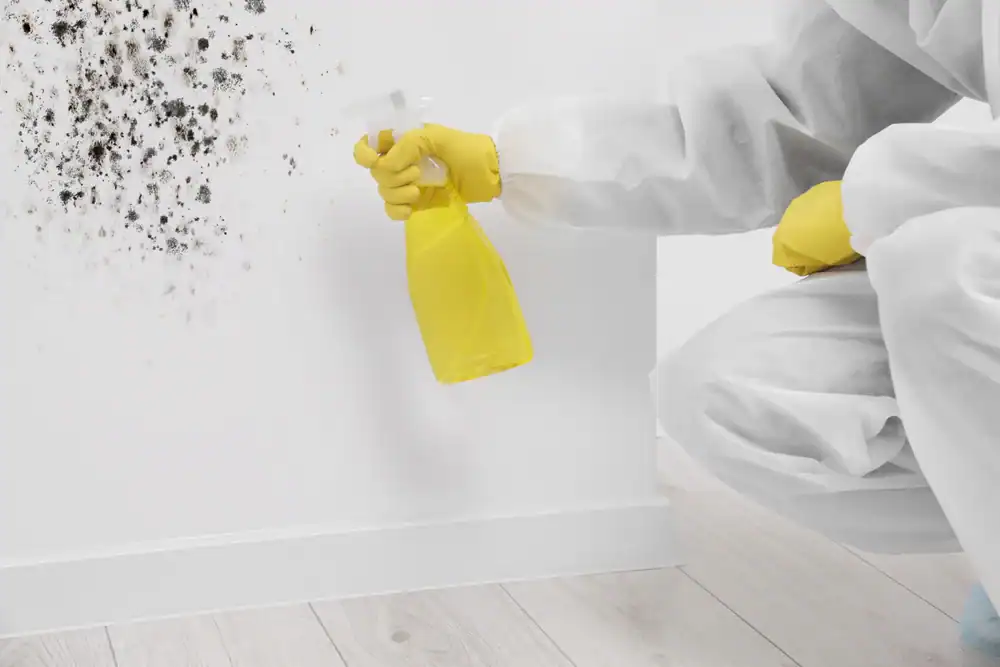
Black mold—technically called Stachybotrys—is the one that gets the most attention, and for good reason. It grows on materials with high cellulose content like drywall, wood, and ceiling tiles when they stay chronically wet or moist. This particular mold can produce mycotoxins under certain conditions, and exposure can lead to serious health effects beyond typical allergic reactions.
But here’s the thing: you don’t need toxic black mold to have a problem. Any mold growth in your home indicates a moisture issue that needs addressing. The longer you wait, the more mold spreads, and the harder it becomes to remediate. Controlling humidity isn’t just about comfort—it’s about protecting your family’s health.
Want live answers?
Connect with a Clean Air LLC expert for fast, friendly support.
A dehumidifier is one of the most direct tools you have for controlling indoor moisture. But walk into any home improvement store and you’ll face dozens of options with different capacities, features, and price points. The key is matching the right unit to your actual needs.
Dehumidifiers are rated by how many pints of moisture they can remove from the air in 24 hours. A basic rule of thumb: for a 500-square-foot space, you need at least 10 pints of capacity. Add 4 pints for every additional 500 square feet. But that’s just the starting point. If you live in a humid climate like ours, add another 10 pints. If multiple people live in the space, add 5 more. If you have a washer and dryer nearby or lots of windows, factor in additional capacity.
The two main categories you’ll encounter are portable dehumidifiers and whole-house systems. Portable units work for single rooms or specific problem areas—a damp basement, a musty bedroom, a bathroom without proper ventilation. They’re less expensive upfront, usually ranging from $120 to $500, and you can move them around as needed. The downside? They only treat one space at a time, they’re noisy, and you have to empty the water collection bucket regularly unless you rig up a drainage hose.
If you’re dealing with humidity issues in multiple rooms or throughout your entire home, a whole-house dehumidifier makes more sense. These units integrate with your HVAC system, treating air as it circulates through your ductwork. They’re more expensive—typically $1,500 or more including installation—but they’re also more effective and efficient for whole-home moisture control.
Whole-house systems drain automatically into your plumbing, so there’s no bucket to empty. They operate quietly since they’re tucked away with your HVAC equipment. And they last significantly longer—8 to 15 years compared to the 3 to 5 year lifespan of most portable units. When you factor in the energy efficiency and reduced maintenance, the higher upfront cost often balances out over time.
One common misconception: people think running multiple portable dehumidifiers is cheaper than installing one whole-house unit. The reality is different. If you need to dehumidify more than one or two rooms, a single whole-house system is more cost-effective and efficient than running several portable units. You’re not just saving on the purchase price—you’re saving on energy costs month after month.
For Guilford County homeowners, placement matters too. If you’re using a portable unit, your crawl space and basement are often the highest-priority areas. These below-grade spaces tend to be cooler and more prone to condensation. A crawl space dehumidifier specifically designed for that environment can remove 70 or more pints per day and operates in the cooler temperatures you find below ground.
Temperature is an important consideration that many people overlook. Standard portable dehumidifiers don’t work well below 65°F. If you’re putting one in a basement or crawl space that stays cooler year-round, make sure it’s rated to operate down to at least 55°F. Otherwise, it’ll cycle on and off constantly or freeze up completely, leaving you with no moisture control when you need it most.
Your crawl space deserves special attention because it’s often the source of your home’s humidity problems. The ideal humidity level down there is between 40% and 50%. Anything above 60% and you’re inviting mold, wood rot, and pest infestations. Getting it under control requires a multi-layered approach.
Start with a vapor barrier. This is a thick plastic sheeting—at least 6 mil, though many professionals recommend 15 mil or thicker—that covers your crawl space floor and seals against your foundation walls. It prevents ground moisture from evaporating into the air. Properly installed, a vapor barrier can dramatically reduce humidity levels before you even add mechanical dehumidification.
Next, address those crawl space vents. This goes against old-school thinking, but modern building science is clear: in North Carolina’s climate, vented crawl spaces cause more problems than they solve. Sealing those vents prevents humid outdoor air from pouring in during summer months. Some homeowners worry about trapping moisture inside, but that’s where your vapor barrier and dehumidifier come in—they handle moisture more effectively than passive ventilation ever could.
Crawl space encapsulation takes this further by creating a completely sealed, conditioned environment. You’re essentially turning your crawl space into a semi-conditioned part of your home. This involves sealing vents, installing a heavy-duty vapor barrier on floors and walls, insulating properly, and adding a dedicated dehumidifier. It’s a bigger investment, but for homes with chronic moisture issues, it’s often the only permanent solution.
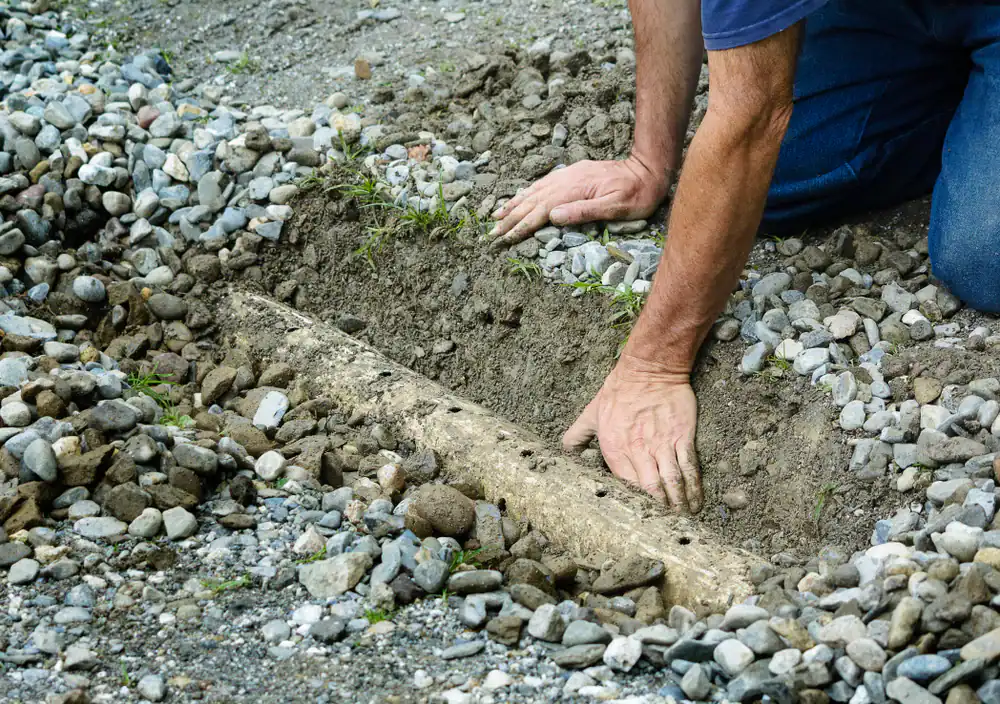
Drainage is another critical piece. If you have standing water in your crawl space after heavy rains, no amount of dehumidification will solve your problem. You need to address how water is getting in. This might mean installing a sump pump, adding French drains around your foundation, or fixing grading issues that direct rainwater toward your house instead of away from it.
Don’t forget about your HVAC ductwork if it runs through your crawl space. Leaky ducts in a humid crawl space mean you’re pulling that moist, potentially moldy air directly into your living spaces every time your system runs. Sealing duct leaks isn’t just about energy efficiency—it’s about air quality and humidity control.
Controlling humidity in a North Carolina home isn’t a one-time fix—it’s an ongoing strategy that combines the right equipment, proper maintenance, and an understanding of how moisture moves through your specific house. The payoff is worth it: better air quality, lower energy bills, protection against structural damage, and a home that actually feels comfortable during our long, humid summers.
Start by measuring your current humidity levels so you know what you’re dealing with. A simple hygrometer costs less than $20 and gives you the data you need to make smart decisions. If you’re consistently above 60%, it’s time to take action. If you’re seeing condensation, smelling musty odors, or noticing allergy symptoms that seem worse at home, don’t wait for the problem to get worse.
For homeowners in Guilford County dealing with persistent humidity issues, professional help can save you time, money, and frustration in the long run. We’ve been solving moisture and air quality problems in Greensboro and surrounding areas for over 30 years, with the certifications and equipment to handle everything from crawl space encapsulation to dehumidifier installation and mold remediation. Sometimes the most cost-effective solution is getting it done right the first time.
Summary:
Share: