
Contact Info
- Greensboro, NC 27406
- Call: 336-707-0498
- Text: 336-707-0498
-
Mon - Fri: 8am - 4pm
Sat - Sun: Closed
Contact Info
Finding a reliable home inspector in Greensboro takes more than a quick Google search. Here's what actually matters for Guilford County buyers.
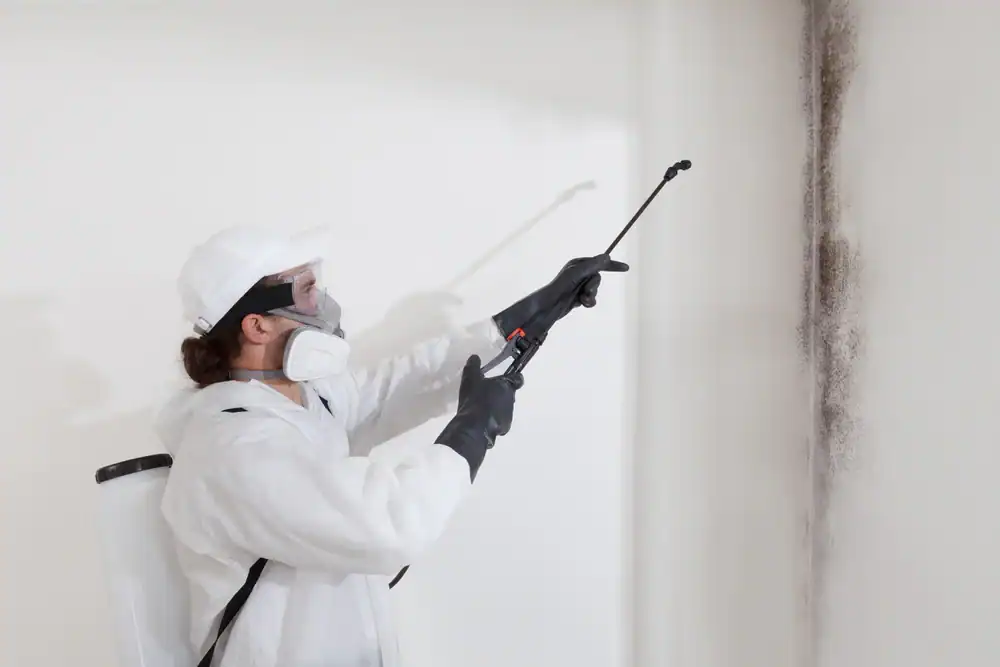
You’ve got an offer accepted and a due diligence period ticking down. The last thing you want is to spend that window chasing down a home inspector who’s booked out, rushed, or not quite sure what they’re looking at in a Guilford County crawl space. This guide is for buyers who want to move fast, vet smart, and walk into closing without surprises. We’ll cover what separates a good inspector from a forgettable one, which local companies keep coming up for the right reasons, and what to do when the report flags something in the ductwork or under the house.
North Carolina is a licensed state, which means home inspectors here have to meet real requirements — 200 hours of pre-licensing education, a licensing exam administered by the NC Home Inspector Licensure Board, and minimum liability coverage. That’s a baseline worth knowing, because not every market works this way. When you’re vetting inspectors, asking for a license number and verifying it through the NCHILB takes about two minutes and immediately filters out anyone who shouldn’t be on your list.
Beyond licensing, the certifications that tend to matter most are ASHI (American Society of Home Inspectors) and InterNACHI (International Association of Certified Home Inspectors). Both organizations hold members to published standards of practice that go deeper than the state minimum. Inspectors with one of these credentials have typically completed additional training and logged a meaningful number of inspections — and that experience shows up in the quality of the report.
Greensboro’s housing stock is genuinely diverse — you’ve got early 20th-century bungalows in Fisher Park and Westerwood sitting alongside mid-century ranches, 1970s and 80s subdivisions, and newer construction pushing out toward Oak Ridge and Summerfield. That range matters because older homes carry older problems: outdated electrical panels, original plumbing, deteriorating ductwork, and crawl spaces that were never designed to handle what Piedmont weather actually delivers.
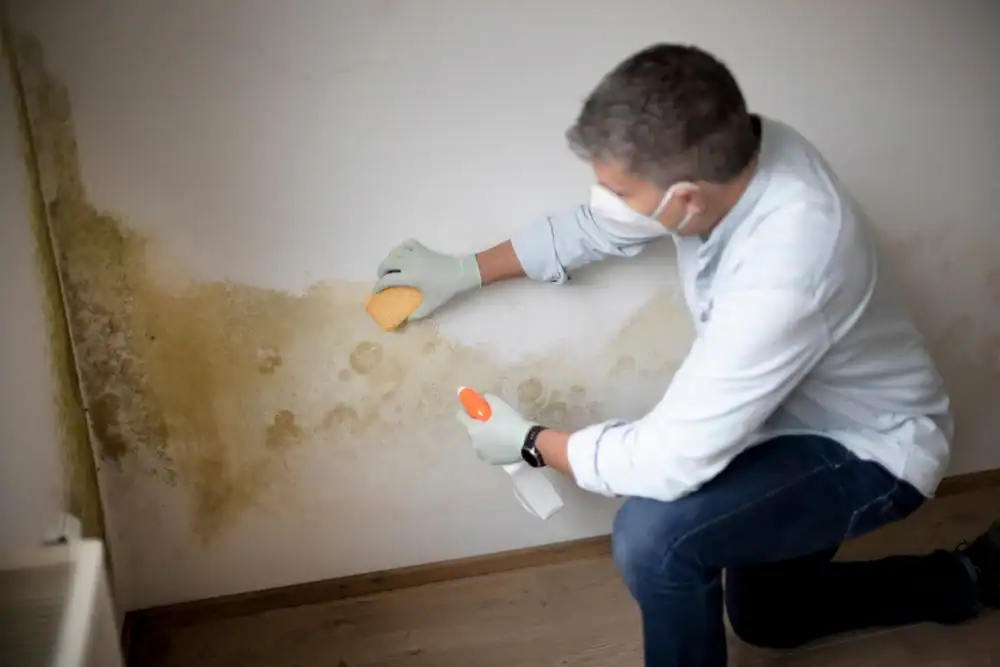
The Piedmont region sits on clay-heavy soil. Clay holds water instead of draining it, which means that every time Greensboro gets a heavy rain — and it gets plenty — that water has nowhere to go but toward your foundation. Vented crawl spaces, which are still the norm in a lot of older Guilford County neighborhoods, pull that moisture in and hold it. In a dark, damp crawl space, mold doesn’t need much of an invitation.
This is why inspectors who are familiar with the Greensboro market tend to spend more time under the house than inspectors working in drier climates. It’s also why a general inspection alone sometimes isn’t enough. Mold testing, crawl space moisture assessment, and radon testing are all commonly recommended add-ons in NC — not because inspectors are upselling, but because the climate genuinely creates conditions where these things show up.
Industry data puts the share of home inspections that reveal at least one issue at 86%. In Guilford County, given the soil, the humidity, and the age of a lot of the housing stock, that number probably skews higher. The point is to go in with eyes open and the right inspector leading the way.
Start with the NC Home Inspector Licensure Board’s online lookup tool. Plug in the inspector’s name or license number and confirm they’re active and in good standing. It’s a simple step that a lot of buyers skip, and it’s the fastest way to eliminate anyone operating without proper credentials.
From there, look at reviews — not just the star rating, but what people actually say. Are reviewers mentioning specific things the inspector caught? Are Realtors in the Greensboro area recommending them by name? Word-of-mouth still drives a significant share of inspector referrals in this market, and an inspector with a strong local reputation has usually earned it one thorough report at a time.
Ask about their process. A quality inspector will tell you how long the inspection typically takes, what tools they use, and whether they welcome you to attend. You should be there. Walking through the home with the inspector while they work gives you a chance to ask questions in real time — about the HVAC system, the crawl space condition, the electrical panel — rather than deciphering a report on your own later. Most standard inspections run two to three hours for a typical home.
Also ask what specialty services they offer or can refer out. Radon testing, mold inspection, and crawl space moisture evaluation are not always included in a standard home inspection. In Guilford County, where these concerns are genuinely common, knowing upfront whether your inspector handles them in-house or refers to a specialist saves you time during an already compressed due diligence window.
Want live answers?
Connect with a Clean Air LLC expert for fast, friendly support.
The Greensboro and broader Triad market has a solid range of licensed home inspection companies. Below are several that come up consistently in local searches, real estate agent referrals, and online reviews. This isn’t an exhaustive list, and inclusion here isn’t an endorsement — it’s a starting point for your own vetting process. Verify credentials, read recent reviews, and call a few before you decide.
Triad Home Inspections has been operating in this market since 1985 and offers buyer, seller, and warranty inspections along with radon and water testing. Home Spectors is a family-owned company serving Greensboro and surrounding areas, with a Certified Master Inspector on staff and a free warranty offered after closing. Elite Home Inspections of the Triad covers radon, mold, termite, and water inspections alongside standard buyer inspections. Redline Home Inspections, run by Ben Murphy out of NC License #5089, emphasizes thorough reporting with a 48-hour delivery commitment. Q&A Home Inspections LLC was founded by veteran Maurice Quick and serves Guilford County and the broader Triad with a focus on timeliness and thoroughness. Assurance Home Inspections brings infrared cameras, moisture meters, and thermal scanners to the job, along with a full range of specialty add-on services. Holmes and Watson Inspection Agency maintains dedicated local content for Guilford County and addresses the specific climate and housing stock challenges Greensboro buyers face. Good Foundations Home Inspections is run by Greensboro native Scott Hawks and has a strong local reputation. Johnson Properties & Inspections has been operating since 2005 with InterNACHI certifications in mold, pool/spa, and moisture intrusion. Hometek Inspection Services covers interiors, exteriors, condos, and townhomes. Wall to Wall Inspections has drawn consistent praise from local Realtors for finding issues without unnecessarily alarming buyers. Gain Inspect rounds out the list as a well-reviewed option appearing regularly in Greensboro-area searches.
A standard home inspection in North Carolina follows the NCHILB Standards of Practice, which were updated as of October 1, 2024. At a minimum, a licensed inspector will evaluate the structural components of the home — foundation, framing, roof — along with the attic, insulation, HVAC system, plumbing, electrical, and interior and exterior components. Built-in appliances typically get a look too.
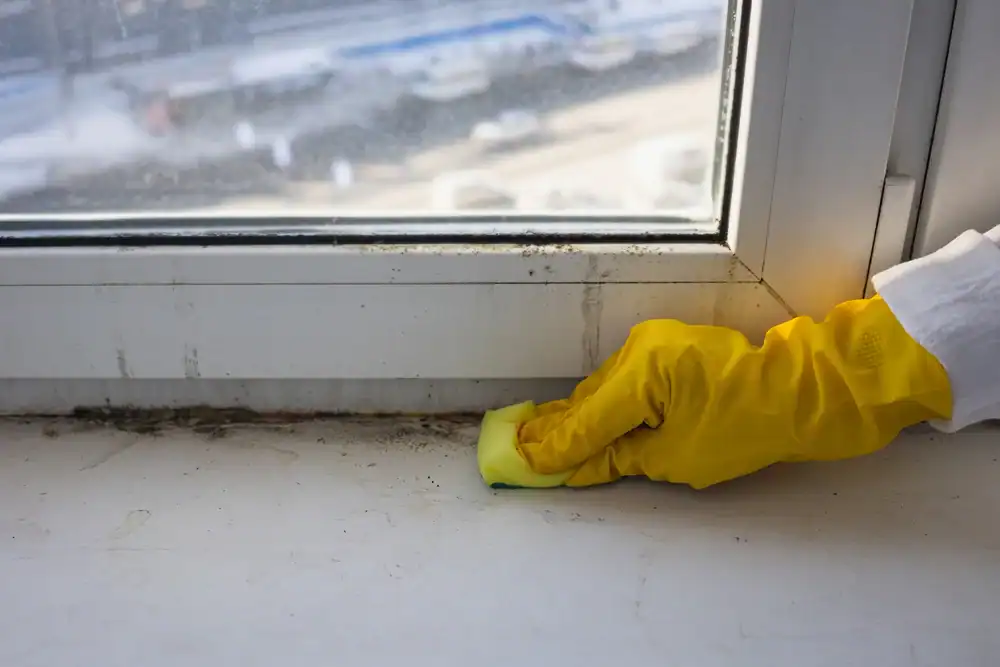
What doesn’t automatically make it onto that list: mold testing, radon measurement, crawl space moisture evaluation beyond a visual check, sewer scope, and water quality testing. These are specialty services, and in Guilford County, several of them are worth asking about before you assume they’re included. A home in Westerwood or Sunset Hills with a vented crawl space and decades of Piedmont weather behind it is a different inspection than a new build in Summerfield — and the checklist should reflect that.
The report itself is where you’ll see everything documented, usually with photos. A well-organized report flags findings by severity, which helps you and your agent understand what’s a minor maintenance item versus what’s a negotiating point. Buyers who use inspection findings to negotiate have saved an average of $14,000 on the final purchase price — which puts the cost of a thorough inspection in a very different light. The inspection isn’t a formality. It’s often the most financially productive few hours of the entire transaction.
This is the part most roundups skip, and it’s the part that actually matters when something turns up. The inspector’s job is to find and document — not to remediate. So when the report comes back with mold in the crawl space, visible debris in the ductwork, or moisture readings that are out of range, the next call isn’t back to the inspector. It’s to someone who can actually fix it.
In Guilford County, that gap between “the inspector found something” and “I know what to do about it” is where a lot of buyers get stuck. They’re in the middle of a due diligence period, the clock is running, and they’re suddenly trying to figure out who handles mold remediation or crawl space encapsulation in Greensboro. That’s a stressful place to be without a name in your phone.
We’ve been helping Guilford County homeowners navigate exactly that situation since the early 1990s. Clean Air LLC is NADCA-certified for duct cleaning — our team includes NADCA-credentialed specialists for both air system cleaning and ventilation inspection — and we hold IICRC AMRT certification for mold remediation. When a home inspector flags dirty ductwork, crawl space mold, or moisture problems in a Greensboro home, we’re the team that comes in next. We offer free inspections as a starting point, so there’s no cost to find out what you’re actually dealing with before you commit to anything.
The inspection tells you what’s there. We tell you what it means and what it takes to fix it. For buyers working through a due diligence period, having that next call already figured out makes the whole process a lot less stressful.
Greensboro is a great market to buy in — but it’s not a market where you want to skip the details. The clay soil, the humidity, the older housing stock in neighborhoods across Guilford County — these are real factors that show up in real inspection reports. The right inspector will know that and look accordingly.
Verify the license, check the certifications, read the reviews, and show up for the inspection. And if the report turns up something in the crawl space, the ductwork, or the air quality — know who to call next. Clean Air LLC has been that next call for Greensboro homeowners for over thirty years. Reach out to us for a free inspection and we’ll tell you exactly what we’re looking at.
Summary:
Share: