
Contact Info
- Greensboro, NC 27406
- Call: 336-707-0498
- Text: 336-707-0498
-
Mon - Fri: 8am - 4pm
Sat - Sun: Closed
Contact Info
Wondering what crawl space encapsulation actually costs in Guilford County? Here's an honest breakdown built for homes across Greensboro and High Point — not national averages.
You searched for crawl space encapsulation cost because you want a real number — not a range that spans $13,000. That’s fair. The problem is that most of what you’ll find online is built around national averages that don’t account for what’s actually under your house or what it costs to do the job right in Guilford County.
We’ve been doing this work here for over 30 years. We know the soil, the summers, and the crawl spaces across Greensboro and High Point. This guide gives you honest pricing context, explains what actually moves the number up or down, and helps you figure out what your specific situation likely calls for — before anyone sets foot in your home.
The national average for crawl space encapsulation runs around $5,500, with most projects falling somewhere between $1,500 and $15,000 depending on size, condition, and what the crawl space actually needs. In Guilford County, that range holds — but where your project lands within it depends on factors that a phone estimate simply can’t tell you.
Most standard encapsulation work in this area runs $3 to $7 per square foot. For a typical 1,000-square-foot crawl space, that puts you somewhere between $3,000 and $10,000. A larger 2,000-square-foot space can run $6,000 to $20,000 when drainage, mold remediation, or structural repairs are involved.
Labor typically makes up 50 to 70 percent of the total cost, with materials — vapor barrier, insulation, sealing products, and dehumidification — accounting for the rest. Those numbers are honest, but they’re still ranges. What actually determines your number is the condition of your specific crawl space, and that’s something only an in-person inspection can tell you.
Guilford County has a few things working against crawl spaces that aren’t an issue in drier markets. The county averages more than 45 inches of rainfall per year — about seven inches above the national median. The soil here is predominantly Cecil sandy clay loam, a clay-heavy composition that drains slowly, holds moisture near foundations, and creates steady pressure against crawl space walls.
Add summers where dew points regularly climb above 65 degrees Fahrenheit in July and August, and you have conditions that make moisture management genuinely difficult — not just an upsell. Many Greensboro-area crawl spaces need more than a basic vapor barrier to stay dry.
If there’s standing water or chronic drainage problems, a French drain system typically adds $4,000 to $8,000 to the project. A sump pump runs $1,100 to $3,500. In a climate like ours, a dehumidification system isn’t really optional — expect to add $1,500 to $2,500 for a properly sized unit.
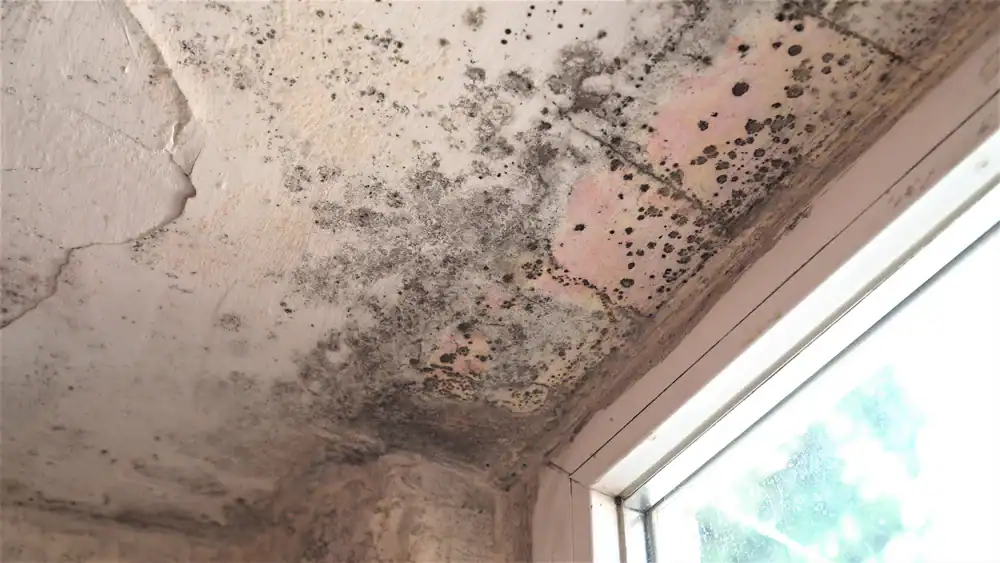
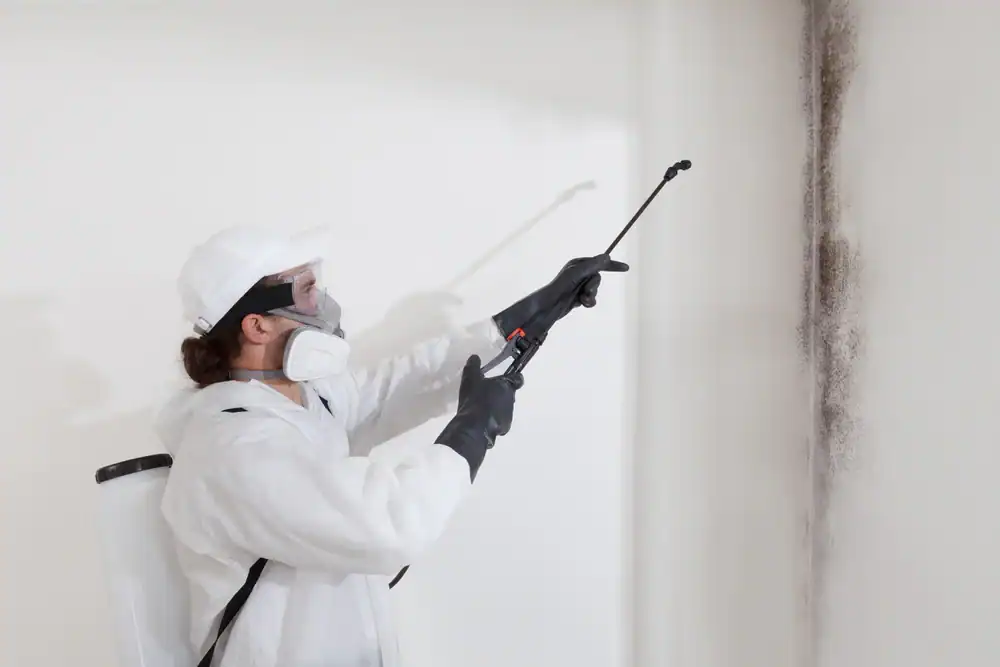
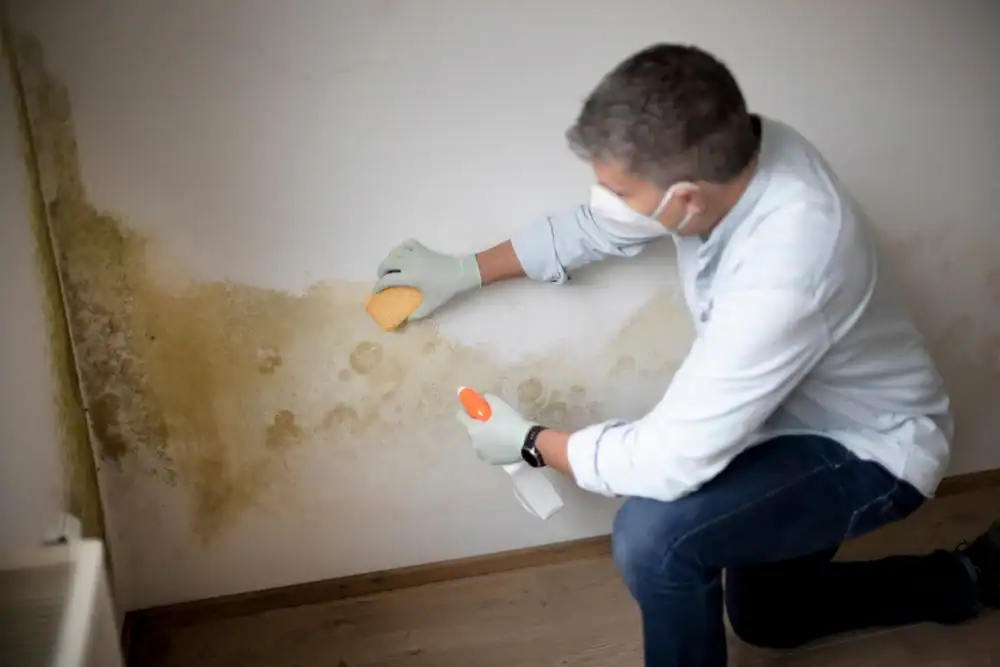
Pre-existing mold is another major cost driver, and it’s one that homeowners sometimes don’t anticipate. If mold is present before encapsulation begins, it has to be remediated first — encapsulating over active mold doesn’t solve the problem, it seals it in. Mold remediation typically adds $1,500 to $5,000 depending on the extent of growth.
If moisture has already reached the floor joists or other structural elements, repairs can run $2,000 to $15,000 in older Greensboro and High Point homes. Guilford County has a significant amount of mid-century housing — homes built in the 1950s through the 1980s with vented crawl spaces that predate modern building science. These homes are the most common candidates for full encapsulation, and they’re also the most likely to have accumulated some combination of the issues above.
This is one of the most common points of confusion for homeowners — and one that contractors don’t always explain clearly. A vapor barrier and full encapsulation are not the same thing, and the cost difference is significant.
A vapor barrier is a sheet of plastic laid across the ground of your crawl space to reduce ground moisture from evaporating upward. Basic 6-mil barriers are inexpensive, and you can find them at hardware stores. But a vapor barrier alone doesn’t seal your foundation walls, close off vents, address air infiltration, or control humidity. It’s one piece of a larger system.
Full encapsulation means treating the entire crawl space as a sealed environment. That includes a professional-grade vapor barrier — 12 to 20 mil, not the thin plastic from the hardware store — sealed at all seams and penetrations, foundation walls air-sealed, vents closed off, and mechanical humidity control added. This is what North Carolina’s building code requires when converting a vented crawl space to a closed one, and it’s what actually works in Guilford County’s climate.
There’s also a permit requirement that most contractors don’t mention: under North Carolina law, converting a vented crawl space to a closed one requires a permit regardless of the project cost. It’s not optional, and unpermitted work creates real liability when you go to sell your home. Any contractor who doesn’t bring this up is either unaware of the requirement or hoping you won’t ask.
The reason vapor barrier thickness matters so much is durability. Thin plastic tears, shifts, and fails — sometimes within a few years. A proper 12 to 20 mil reinforced barrier, installed and sealed correctly, is built to last. The difference in material cost is real, but so is the difference in how long it holds up.
Want live answers?
Connect with a Clean Air LLC expert for fast, friendly support.
This is the question most homeowners are really asking, even when they phrase it as a pricing question. You want to know if spending several thousand dollars on something you can’t see is going to make a real difference.
The honest answer is: it depends on what’s happening in your crawl space and what it’s doing to the rest of your home. Encapsulation is worth it when moisture is actively causing problems — musty smells, high indoor humidity, cold floors, elevated energy bills, or visible mold. It’s worth it when you’re dealing with conditions that will get worse without intervention.
What we can tell you is that homeowners in properly encapsulated homes typically see around 15 percent savings on heating and cooling costs. That’s a real return on a real investment.
There’s a principle in building science called the stack effect. Warm air rises through a home from the bottom up — and in a house with a crawl space, that means air from underneath your floors is constantly moving into your living spaces. Up to 50 percent of the air on your home’s first floor comes from the crawl space.
In a vented crawl space in Guilford County’s climate, the air moving through that space is humid, and during the warmer months it’s carrying whatever is growing down there — mold spores, allergens, and the compounds that create that distinctive musty smell. If you’ve noticed that smell in your home, or if someone in your family has allergies or respiratory sensitivity that seems worse indoors, your crawl space is worth looking at seriously.
We approach crawl space encapsulation as an indoor air quality issue, not just a moisture or structural one. The two are connected. Sealing the crawl space doesn’t just protect your floors and joists — it changes what your family is breathing. For households with children, elderly family members, or anyone with asthma or allergy sensitivities, that’s not a minor consideration.
The stack effect also explains why encapsulation tends to reduce energy costs. When the air your HVAC system is conditioning is no longer being constantly diluted by humid crawl space air infiltrating from below, the system doesn’t have to work as hard. That 15 percent figure in energy savings isn’t magic — it’s just physics working in your favor once the crawl space is properly sealed.
One of the most common frustrations homeowners bring to us is that they’ve already gotten a quote — sometimes two or three — and they have no idea if the numbers make sense. The quotes don’t explain what’s included, what’s driving the cost, or why there’s a $4,000 difference between two contractors looking at the same crawl space.
Here’s a useful framework. A legitimate crawl space encapsulation quote should come from someone who has physically inspected your crawl space, not someone who asked for your square footage over the phone. It should be itemized — you should be able to see what you’re paying for vapor barrier materials, labor, dehumidification, drainage if applicable, and any remediation work. And it should address the permit requirement if the project involves converting a vented crawl space to a closed one.
If a quote seems unusually low, it’s worth asking what vapor barrier thickness is included. Professional encapsulation uses 12 to 20 mil material. A quote built around thin, hardware-store-grade plastic will look attractive until it fails in three years. If a quote seems unusually high, ask for a line-item breakdown — a reputable contractor should be able to explain every component.
We’ve been doing this work in Guilford County since the early 1990s, and we hold IICRC AMRT certification specifically for mold-related work, which means when we find mold in a crawl space before encapsulation, we can handle it properly rather than routing you to a separate contractor. We’re also NADCA certified and BBB accredited, with 66-plus five-star Google reviews from homeowners across Greensboro, High Point, and the surrounding area. We don’t quote over the phone, because we’ve seen too many crawl spaces that looked straightforward from the outside and weren’t. A free inspection is the only honest way to give you a real number.
If you’ve made it this far, you’re probably dealing with something real — a smell, a quote that didn’t add up, or a crawl space you’ve been meaning to deal with for longer than you’d like to admit. That’s a reasonable place to be.
Don’t budget based on national averages, and don’t commit to a contractor who won’t come look before they quote. Guilford County’s clay soil, rainfall, and summer humidity mean your crawl space has specific conditions that affect what the right solution actually is — and what it costs.
We offer free crawl space inspections across Greensboro and High Point. No pressure, no obligation — just an honest look at what’s there and what it would actually take to fix it. If you’re ready to get a real number for your specific home, give us a call.
Summary:
Share: