
Contact Info
- Greensboro, NC 27406
- Call: 336-707-0498
- Text: 336-707-0498
-
Mon - Fri: 8am - 4pm
Sat - Sun: Closed
Contact Info
Two quotes, two very different prices — here's what actually separates crawl space encapsulation from a conditioned crawl space, and what each one costs in Guilford County, NC.
You got two quotes. One came in at $2,800. The other was $7,500. Both contractors called it “crawl space work.” Now you’re sitting at your kitchen table wondering if someone’s trying to take advantage of you — or if the cheaper option is just going to cost you more later.
Here’s the honest answer: they probably weren’t quoting the same thing. Full encapsulation and a conditioned crawl space are two different systems with different materials, different outcomes, and a price gap that can reach 4x. Once you understand what separates them, the quotes start making sense.
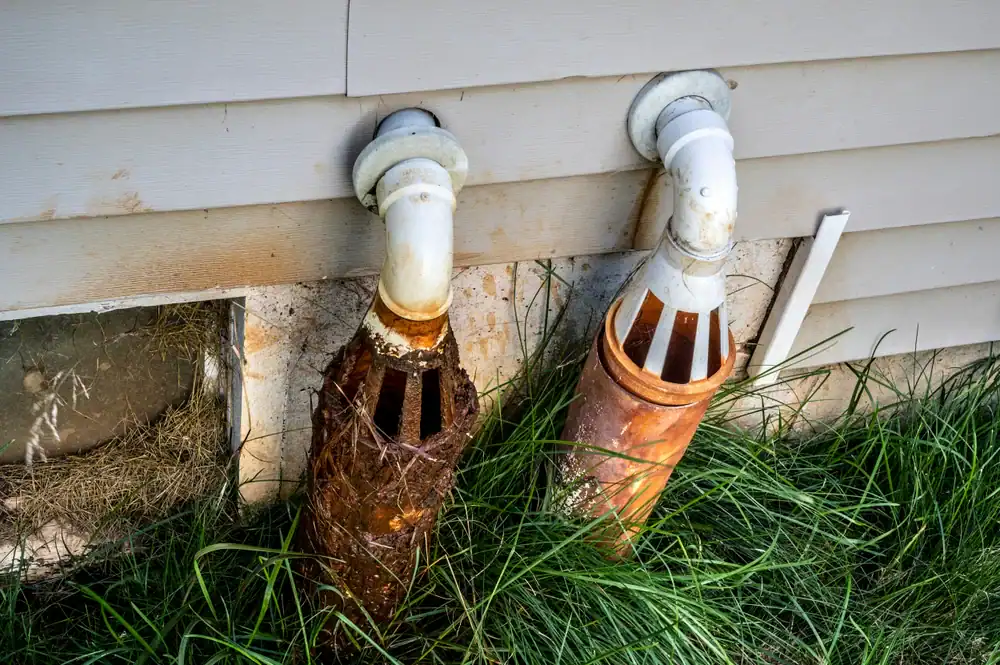
A conditioned crawl space uses a vapor barrier — typically black plastic sheeting — to cover the crawl space floor, walls, and joists. The vents stay open, and there’s no dehumidifier involved. It’s a meaningful upgrade over a bare dirt floor, but it’s not a sealed system. Outdoor air still moves through the space.
Full encapsulation goes further. The vents are sealed completely. A heavier-duty reinforced liner — not hardware store plastic — covers the floor and walls. A dehumidifier is sized and installed to actively manage moisture year-round. The crawl space becomes a controlled environment rather than just a covered one. That difference in scope is exactly why the price gap exists.
Nationally, crawl space encapsulation averages around $5,500, with most projects falling somewhere between $5,000 and $15,000 depending on the size of the space, the condition it’s in, and what’s included. The standard cost per square foot runs $3 to $7 for a typical installation, and can reach $10 per square foot when there’s existing moisture damage or significant prep work involved.
For Guilford County specifically, the picture looks a little different. The Greensboro–Winston-Salem corridor — which includes Guilford, Forsyth, Davidson, and Alamance counties — is consistently identified in industry pricing data as one of the best-value markets in North Carolina. A 1,200 square foot encapsulation in Guilford County typically runs between $4,200 and $8,800, with the NC state median sitting around $5,100. That’s roughly 10 to 15 percent below the national average, largely because of the density of specialty contractors in the Piedmont Triad.
What drives the cost up locally? Guilford County sits on Cecil sandy clay loam — a dense, moisture-retaining soil that keeps groundwater in contact with crawl space floors and walls far longer than sandy soils would. That persistent moisture pressure often means more prep work before any liner goes down. Summer dew points regularly exceed 65°F here in July and August, which means a dehumidifier isn’t optional in a fully sealed system — it’s what makes the system work. Dehumidifier installation typically adds $1,500 to $2,500 to a project, and it’s a line item worth understanding before you compare quotes side by side.
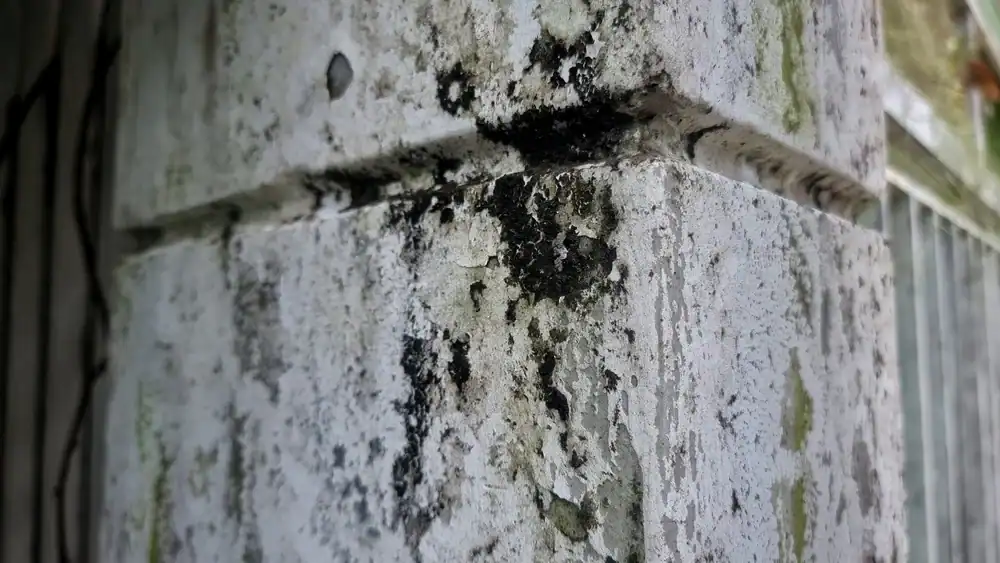
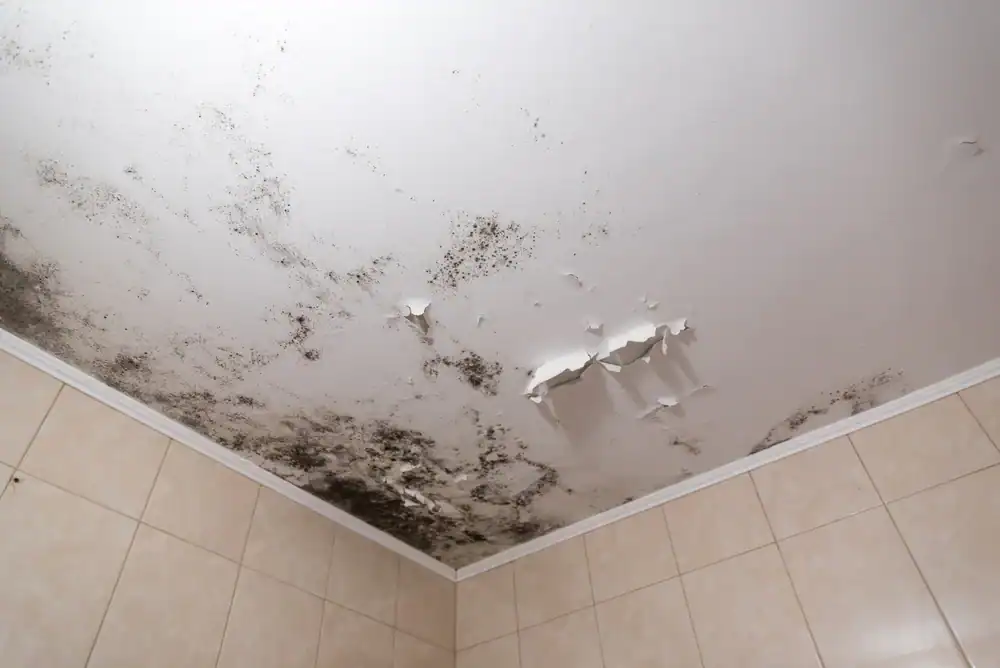
The condition of the space matters too. If there’s mold present, it has to be treated before encapsulation — not covered over. A contractor who skips that step isn’t saving you money; they’re sealing a problem under a liner where you won’t see it again until it’s significantly worse.
A lot of homeowners don’t start thinking about crawl space encapsulation cost on their own — they start thinking about it because a home inspector handed them a report. If that’s where you are right now, the language in those reports can feel alarming without giving you much to work with. “Inadequate vapor barrier,” “elevated moisture levels,” “evidence of microbial growth” — those phrases tell you something is wrong but not what fixing it actually involves.
Here’s a plain-English translation. “Inadequate vapor barrier” typically means there’s either no liner in place, or the liner that exists is too thin, torn, or improperly installed. That finding alone can be addressed with a conditioned crawl space approach in some cases, or may warrant full encapsulation depending on the moisture levels present. “Elevated moisture” means the inspector’s meter is reading higher than it should — often a sign that vapor is moving through the soil and into the space, which is exactly what Guilford County’s clay-heavy soil facilitates year-round. “Microbial growth” means mold, and that changes the scope of work considerably.
When mold is present, remediation has to come first. Professional mold remediation in North Carolina typically runs between $1,100 and $3,800 for a standard residential crawl space, with the local average around $2,400. That’s a separate cost from the encapsulation itself, and it’s worth knowing upfront so you can budget accurately and ask the right questions when getting quotes.
If you’re in the middle of a real estate transaction, the timeline pressure is real. Sellers need a documented repair to satisfy the buyer’s agent. Buyers need to know the fix is done correctly, not just done quickly. Either way, working with a certified provider who can document the work — before and after — matters more in this context than it does in a routine upgrade. That documentation becomes part of the home’s record.
Want live answers?
Connect with a Clean Air LLC expert for fast, friendly support.
The reason two quotes can look so different isn’t usually because one contractor is gouging you. It’s because they’re proposing different scopes of work, and neither one always explains that clearly upfront. Before you decide anything based on price alone, it helps to know what questions to ask.
The most important one: are the vents being sealed? If the answer is no, you’re looking at a conditioned crawl space, not full encapsulation — and the price should reflect that. The second question: what’s the liner thickness? A reinforced 12 to 20 mil barrier behaves very differently from the 6 mil sheeting you’d find at a home improvement store. The third: is a dehumidifier included, and if so, how is it sized? An undersized unit in a Guilford County crawl space during August is not going to keep up.
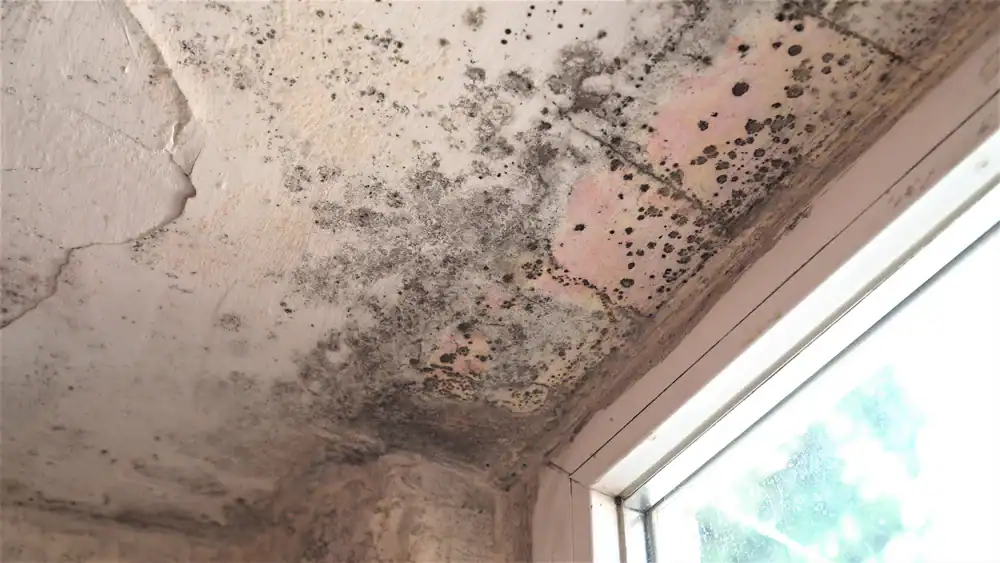
That depends on what your crawl space is currently doing to your home — and the answer is usually more than you’d expect. Up to 50 percent of the air in your living space originates from the crawl space through what building scientists call the stack effect. Warm air rises through the house and pulls air up from below. If that air is carrying moisture, mold spores, or that persistent musty smell you’ve been chasing around your house, encapsulation addresses it at the source rather than downstream.
On the energy side, research from Advanced Energy found that sealed crawl spaces reduce heating and cooling costs by 15 to 25 percent compared to vented ones. That’s not a minor efficiency gain — it’s a meaningful reduction in what your HVAC system has to work against every month. Homes in Guilford County with vented crawl spaces are fighting both the summer humidity and the clay soil beneath them. The HVAC system pays for that fight in higher runtime and higher bills.
There’s also the long-term cost of doing nothing. Homeowners with unaddressed vented crawl spaces often absorb $1,500 to $3,000 a year in downstream consequences — higher energy costs, HVAC wear, the occasional mold remediation — without connecting those costs back to the crawl space. Encapsulation, spread over its 20-plus-year lifespan, is typically cheaper than the cumulative cost of inaction. That math shifts the question from “can I afford to do this?” to “can I afford not to?”
Technically, yes. Practically, it’s one of the higher-risk DIY projects in home improvement — not because it’s physically difficult, but because the most common mistakes are invisible until they’ve caused significant damage.
The first problem is material selection. Hardware store plastic sheeting is typically 6 mil. A proper encapsulation liner is 12 to 20 mil reinforced material — a meaningfully different product in terms of durability and vapor resistance. Using the wrong material doesn’t save money; it means redoing the job in a few years.
The second problem is sealing. Seams, pipe penetrations, and foundation wall transitions all need to be properly taped and sealed. Improperly sealed seams allow moisture to migrate under the liner, where it accumulates invisibly. Homeowners who’ve had this happen describe the result as worse than before — musty smells that seem to come from nowhere, because the moisture source is now hidden.
The third problem is mold. North Carolina’s building code and industry best practices both require that any existing mold be treated before a liner goes down. A DIYer who covers mold with a vapor barrier isn’t solving the problem — they’re sealing it in. Identifying and treating mold correctly requires training. Our IICRC AMRT certification — Applied Microbial Remediation Technician — is specifically designed for this kind of assessment. It’s not a credential most general contractors carry, and it’s the reason we look carefully at what’s already in the space before any material goes down.
There’s also a code compliance issue that catches DIYers off guard in North Carolina. The NC Residential Code requires a 3 to 4 inch termite inspection gap between the wall liner and the top of the masonry wall. Running the liner all the way to the sill plate — which looks right visually — is actually incorrect detailing in this state and can create problems during future inspections or at resale.
The honest answer is that it depends on what’s actually going on under your house — and the only way to know that for certain is to have someone get under there and look. The cost difference between a conditioned crawl space and full encapsulation is real, and so is the difference in what each one accomplishes. Choosing based on price alone, without knowing which system your home actually needs, is how homeowners end up spending money twice.
We’ve been working in Guilford County crawl spaces since the early 1990s. We know what the clay soil here does to foundations over time, what summer humidity looks like inside a vented crawl space in August, and what a home inspector’s report actually means in plain English. Our free inspection is designed to give you a clear, honest picture of what you’re working with — no pressure, no upselling, just a professional assessment and a straightforward recommendation.
If you’re ready to stop guessing and start with a real answer, reach out to Clean Air LLC. We’ll take it from there.
Summary:
Share: