
Contact Info
- Greensboro, NC 27406
- Call: 336-707-0498
- Text: 336-707-0498
-
Mon - Fri: 8am - 4pm
Sat - Sun: Closed
Contact Info
Winter prep isn't just about gutters and furnaces. Your crawl space needs attention too—especially in Guilford County, NC, where moisture and cold air can quietly damage your home all season long.
Your crawl space doesn’t care that it’s out of sight. When winter hits Guilford County, NC and temperatures start swinging between freezing nights and mild afternoons, that space under your house becomes a battleground for moisture, cold air, and energy loss. Most homeowners don’t think about it until floors feel ice-cold or heating bills spike. By then, you’re reacting instead of preventing.
Fall is your window to get ahead of it. A little attention now means warmer floors, lower energy costs, and no middle-of-winter surprises involving frozen pipes or musty smells. This checklist breaks down what actually matters when you’re preparing your crawl space for the cold months—and helps you figure out whether you need a quick fix or something more comprehensive.
Before you can winterize anything, you need to know what you’re working with. Grab a flashlight, pull on some old clothes, and take a look under your house. You’re not looking for perfection—you’re looking for red flags.
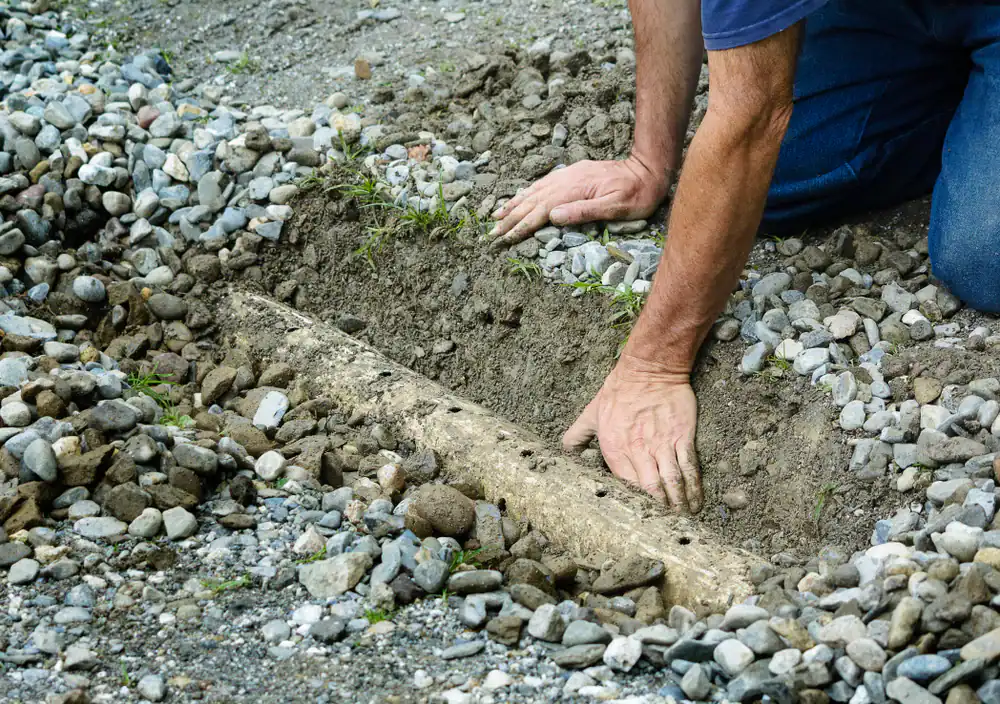
Start with moisture. Is the ground damp? Do you see standing water, even small puddles? Check the foundation walls for water stains or that white, chalky residue called efflorescence—it’s what’s left behind after water evaporates. Run your hand along any exposed wood beams. If they feel soft or spongy, that’s rot setting in.
Next, look at your existing insulation if you have any. Fiberglass batts that are sagging, wet, or falling down aren’t doing you any favors. In fact, they’re probably making things worse by holding moisture against your floor joists. Check your vapor barrier too, assuming you have one. Is it torn? Bunched up? Covered in mud? A compromised barrier is basically useless.
Moisture doesn’t take a break just because it’s cold outside. In fact, winter in Guilford County, NC creates some of the trickiest moisture conditions your crawl space will face all year.
Here’s what happens. When warm air from your heating system meets the cold surfaces in your crawl space—foundation walls, floor joists, metal pipes—condensation forms. It’s the same principle as a cold drink sweating on a hot day, except this condensation doesn’t evaporate quickly in an enclosed, poorly ventilated space. It just sits there, soaking into wood and insulation.
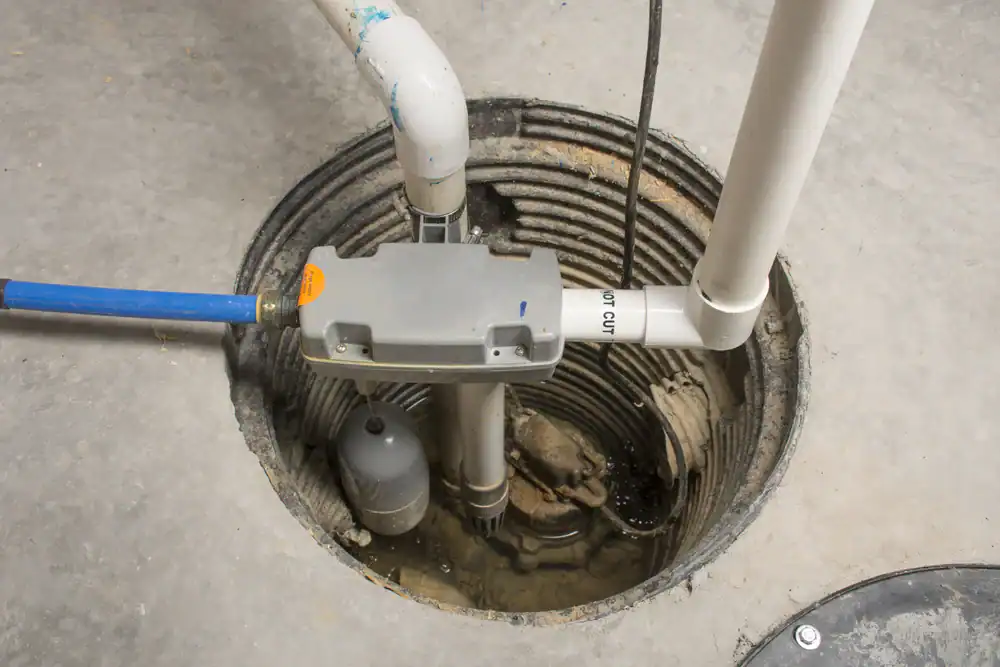
Then you’ve got the freeze-thaw cycle. Greensboro doesn’t stay frozen solid all winter. Temperatures bounce around, which means the ground freezes, then thaws, then freezes again. When frozen soil surrounds your crawl space, it acts like a concrete barrier. Water from melting snow or winter rain can’t drain down through the frozen layer, so it moves sideways—right into your crawl space.
Add in the fact that North Carolina’s humidity often stays between 60 and 80 percent even in winter, and you’ve got a recipe for persistent dampness. That’s why winter moisture control isn’t optional. It’s the foundation of everything else you’re trying to accomplish.
Controlling moisture means keeping humidity levels below 60 percent. Above that threshold, mold starts growing. Wood begins to rot. Metal rusts. Your floor structure weakens. And all that damp, musty air? It rises up into your living space, affecting the air you breathe every day. Up to 40 percent of the air in your home comes from your crawl space, so whatever’s happening down there is happening upstairs too.
Not every crawl space issue requires a contractor. There are a few things you can check and handle on your own, especially if you’re dealing with a relatively dry space that just needs some seasonal attention.
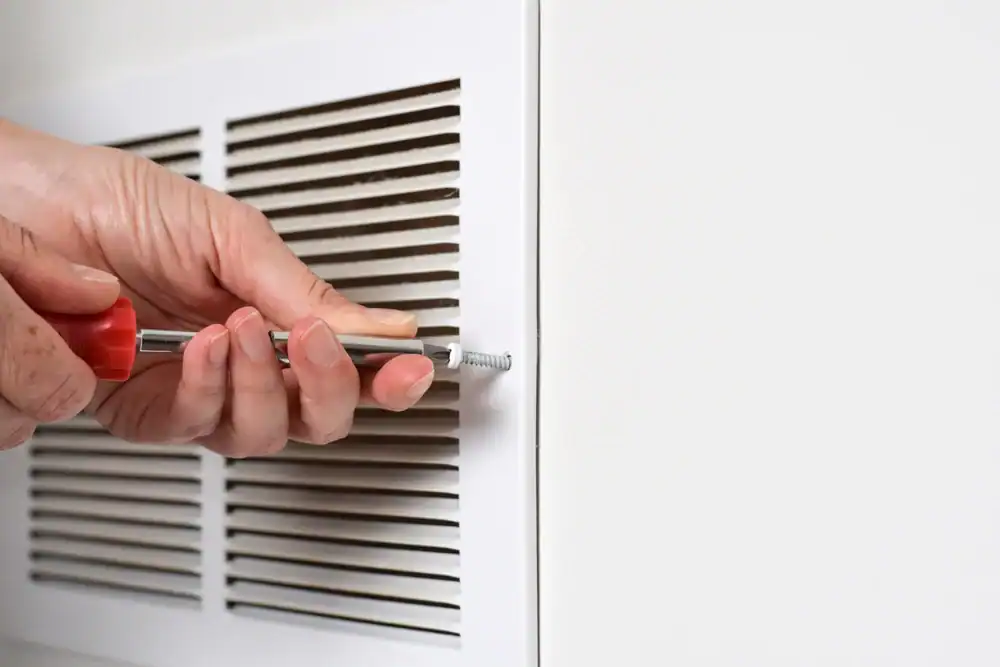
Start by clearing out any debris. Leaves, old construction materials, random junk—get it out. Debris holds moisture and gives pests places to hide. While you’re down there, check your crawl space vents. The old advice used to be to open them in summer and close them in fall. That’s outdated, especially in humid climates like ours. Modern building science says those vents should stay closed and sealed year-round. Open vents just let humid outdoor air in, which condenses on cooler surfaces and creates the exact moisture problems you’re trying to avoid.
If you’ve got a basic vapor barrier that’s shifted or torn in a small area, you can patch it. Use heavy-duty tape designed for vapor barriers and make sure you overlap any seams by at least six inches. It’s not a permanent fix, but it’ll help until you can address it properly.
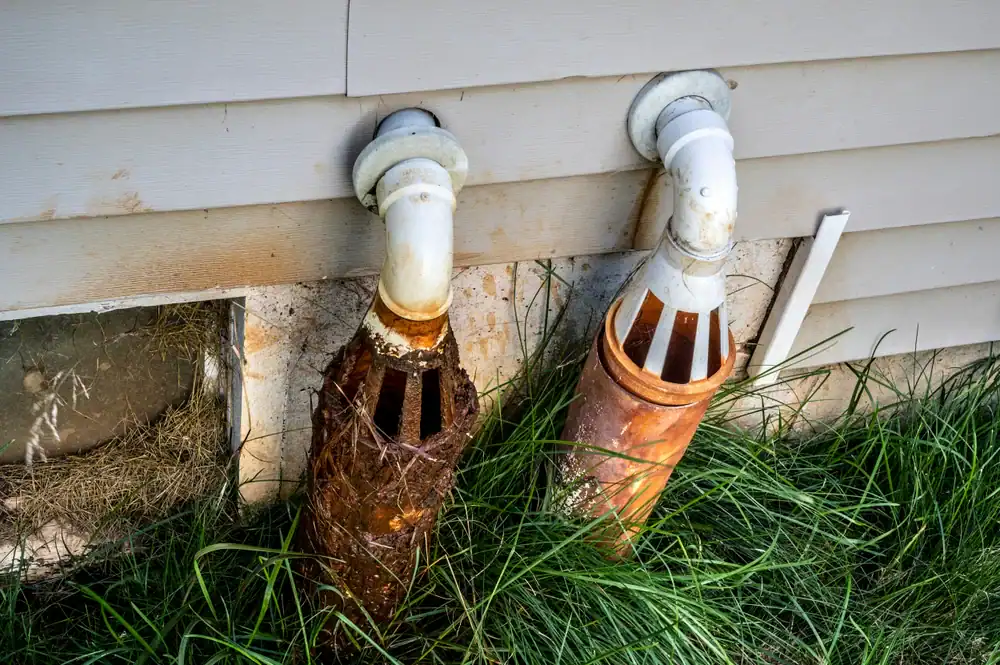
Check around any pipes or ductwork for obvious gaps or holes where cold air might be getting in. Foam sealant from the hardware store can close small gaps around rim joists or utility penetrations. Just make sure you’re using a product designed for the job—some expanding foams put out too much pressure and can actually cause damage.
But here’s where you need to be honest with yourself. If you’re seeing significant moisture, mold growth, sagging floors, or structural concerns, this isn’t a DIY situation. Crawl spaces are confined, potentially hazardous environments. Mold exposure is a real health risk. Pests carry diseases. And if you don’t address the root cause of moisture problems, you’re just putting a band-aid on something that’s going to keep getting worse. That’s when it’s time to call in professionals who have the training, equipment, and experience to do it right.
Want live answers?
Connect with a Clean Air LLC expert for fast, friendly support.
Insulation is supposed to keep your home comfortable and your energy bills reasonable. But crawl space insulation only works if it’s the right type, properly installed, and actually dry.
Walk under your house and look up at the floor joists. If you see fiberglass batts hanging down or lying on the ground, that insulation has failed. Fiberglass absorbs moisture like a sponge. Once it’s wet, it loses its insulating value and becomes a breeding ground for mold. It also gets heavy, which is why it sags and eventually falls.
The better approach for crawl spaces in Guilford County, NC is to insulate the walls, not the ceiling. Rigid foam board or closed-cell spray foam applied to the foundation walls creates a thermal barrier that actually holds up in damp conditions. This method also brings your crawl space into your home’s conditioned envelope, which means your ductwork and plumbing aren’t sitting in a freezing, unconditioned space all winter.
There’s one spot in your crawl space that bleeds energy like nothing else, and most people have never even heard of it. It’s called the rim joist—the area where your floor framing meets the top of your foundation wall.
This junction is full of gaps and cracks. It’s where your house was built in sections, and even in well-constructed homes, there are openings that let air pass through freely. In winter, frigid outside air pours in through these gaps. In summer, hot humid air does the same. Either way, your HVAC system is working overtime to compensate, and you’re paying for it.
Sealing and insulating the rim joist is one of the highest-return investments you can make in crawl space winterization. The process involves using spray foam or rigid foam insulation to create an airtight seal around the entire perimeter where your foundation meets your floor system. It stops air leaks, prevents heat loss, and keeps outside temperatures from affecting your living space.
The impact is immediate. Homeowners typically notice warmer floors within days. Energy bills drop because your heating system isn’t fighting a losing battle against cold air infiltration. And because you’re controlling temperature and moisture at this critical junction, you’re also reducing condensation that leads to mold and wood rot.
This isn’t something you can do with a caulk gun and good intentions. It requires the right materials, proper application, and an understanding of building science. Done wrong, you can trap moisture in the wrong places and create new problems. Done right, it’s one of the most effective ways to improve your home’s comfort and efficiency.
For decades, conventional wisdom said crawl spaces needed ventilation. Building codes required foundation vents to let air circulate and prevent moisture buildup. Turns out, that advice was wrong—especially in humid climates like North Carolina.
Here’s the problem. When you ventilate a crawl space in a humid environment, you’re bringing in warm, moisture-laden outdoor air. That air enters your cooler crawl space and hits cold surfaces—foundation walls, floor joists, metal pipes. The temperature difference causes the moisture in that air to condense. Instead of ventilating moisture away, you’re actually introducing it.
Modern building science has flipped the script. The current recommendation for our climate is to seal crawl spaces completely. Close the vents, install a vapor barrier, insulate the walls, and control humidity with a dehumidifier if needed. This creates a conditioned environment that stays dry year-round.
Some homeowners worry that sealing a crawl space will trap moisture inside. That’s a valid concern if you seal it without addressing existing moisture sources. But when done properly—fixing drainage issues, installing a complete vapor barrier, ensuring proper grading around your foundation—a sealed crawl space is far drier and healthier than a vented one.
The transition from vented to sealed typically happens as part of encapsulation. You’re not just slapping covers over the vents and calling it done. You’re creating a comprehensive moisture management system that includes vapor barriers on the ground and walls, insulation, sealed vents and access doors, and active humidity control through dehumidification.
If your crawl space currently has open vents and you’re debating whether to close them for winter, understand that closing them without the rest of the system in place is a half-measure. It might help a little, but it’s not a solution. Real moisture control requires a complete approach that addresses all the ways water gets into your crawl space—through the ground, through the walls, and through the air.
You can handle some crawl space maintenance yourself. Clearing debris, checking for obvious problems, maybe sealing a few small gaps. But there’s a line between maintenance and actual repair, and knowing where that line is can save you a lot of time, money, and frustration.
If you’re seeing standing water, mold growth, sagging insulation, soft or rotting wood, or persistent musty odors, you’re past the DIY stage. These are symptoms of moisture problems that won’t resolve with basic fixes. They need professional assessment to identify the source and comprehensive solutions to actually solve it.
The same goes for insulation and encapsulation. These aren’t weekend projects. They require an understanding of how moisture moves, how buildings breathe, and what materials work in our specific climate. They also require equipment and expertise that most homeowners don’t have sitting in the garage.
We’ve been working on Guilford County, NC crawl spaces for over 30 years. We’ve seen every variation of moisture problem, failed insulation, and winter damage our climate can throw at a house. More importantly, we know the difference between a quick fix and a real solution—and we’re not interested in selling you something you don’t need. Our free inspections give you a clear picture of what’s actually happening under your house, what needs to be addressed, and what your options are. Then you can make an informed decision about how to move forward.
Winter’s coming. Your crawl space is either ready for it or it’s not. A little attention now beats a lot of regret later.
Summary:
Share: