
Contact Info
- Greensboro, NC 27406
- Call: 336-707-0498
- Text: 336-707-0498
-
Mon - Fri: 8am - 4pm
Sat - Sun: Closed
Contact Info
These two terms get used interchangeably, but they describe very different scopes of work. Here's what each actually means before you hire anyone.
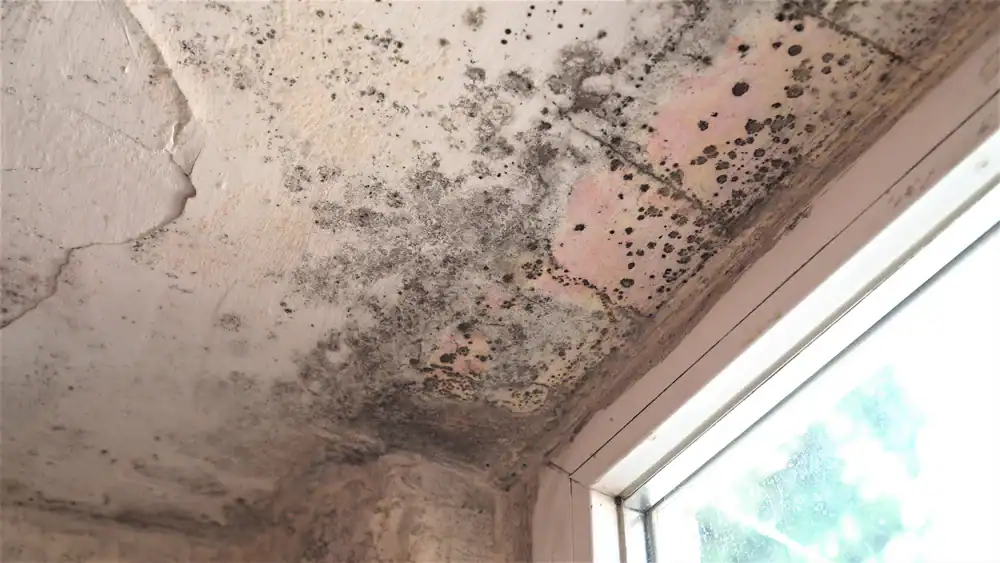
You found mold. Maybe it’s in the crawl space, maybe it turned up on a home inspection report, or maybe you’ve just been smelling something musty for weeks and finally went looking. Now you’re trying to figure out who to call — and every contractor you look at uses slightly different language.
Mold removal. Mold remediation. Mold treatment. Some companies use all three on the same page. So what’s actually different? And does it matter which one you ask for?
It does — and the answer tells you a lot about what kind of work a contractor is actually prepared to do.
Mold remediation is a comprehensive process. It doesn’t just address the mold you can see — it addresses the conditions that allowed mold to grow in the first place, and it follows a defined sequence of steps designed to bring indoor mold levels back to safe, naturally occurring levels.
That last part matters. No remediation company — no matter how good — can promise a mold-free home. Mold spores exist virtually everywhere, indoors and outdoors. What remediation does is get those spore counts back to a normal range and eliminate the active growth that’s causing the problem.
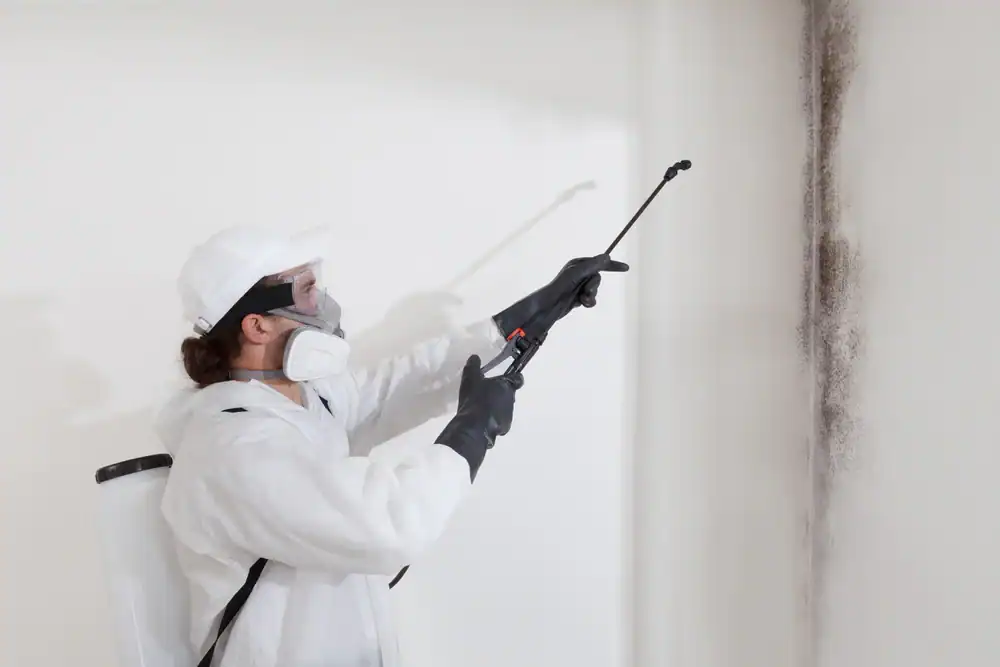
A legitimate mold remediation job follows a specific sequence, and skipping steps is how you end up with mold that comes back in six months.
It starts with assessment — identifying what type of mold is present, how far the contamination has spread, and critically, where the moisture is coming from. This last piece is the one most homeowners don’t think about until after they’ve already paid for a cleanup that didn’t hold. Mold doesn’t grow without moisture. Fix the mold without fixing the moisture source, and you’re starting the clock on the next outbreak.
Once the scope is understood, containment goes up. That means polyethylene barriers and HEPA-filtered negative air machines that create negative pressure in the work area, keeping mold spores from spreading to unaffected parts of the home while work is underway. This is a step that separates real remediation from surface cleaning — and it’s one of the clearest ways to tell whether a contractor knows what they’re doing.
Then comes the physical removal of any porous materials that can’t be cleaned: drywall, insulation, wood framing that’s been compromised. These materials hold mold at a root level that surface treatments can’t reach. After removal, non-porous surfaces get HEPA vacuumed and treated with EPA-registered antimicrobial products. Not bleach. Not “proprietary chemicals” that sound impressive but aren’t on any EPA list. Actual registered treatments.
Finally — and this is a step worth asking any contractor about specifically — post-remediation verification. Ideally done by a third party independent of the company that did the work, this clearance inspection confirms that mold levels have returned to normal before the containment comes down and the space is reopened. If a contractor doesn’t mention this step, that’s worth noting.
Mold treatment refers specifically to the antimicrobial application step within the remediation process — the part where treated surfaces get cleaned and protected after physical removal is complete. It’s one component of remediation, not a standalone fix.
You’ll sometimes see contractors advertise mold treatment as a service on its own, particularly for crawl spaces or ductwork. In some cases — when mold growth is early-stage, limited in scope, and confined to non-porous surfaces — treatment alone may be appropriate. But it depends heavily on what’s actually there, and that’s something you can only know after a proper assessment.
The distinction matters because mold treatment without physical removal of contaminated material is often where the temporary-fix problem originates. Applying an antimicrobial coating over compromised drywall or wood doesn’t address what’s happening beneath the surface. Some contractors will even use encapsulant paint to cover visible mold growth rather than removing the affected material — which makes the space look clean while making it impossible for any future inspector to verify that the underlying problem was actually resolved.
In Guilford County, this shortcut tends to catch up with homeowners faster than it might elsewhere. The combination of clay-heavy soil, above-average annual rainfall, and warm, humid summers means moisture intrusion is an ongoing condition for many homes — not a one-time event. A crawl space that gets wet once will likely get wet again. Mold treatment applied without correcting the moisture source and removing compromised materials is, in most cases here, a matter of when it comes back rather than if.
When we assess a crawl space or ductwork situation, we’re looking at the full picture — not just what’s visible today, but what conditions are in place that will drive the next growth cycle if they aren’t addressed.
Want live answers?
Connect with a Clean Air LLC expert for fast, friendly support.
Mold removal, in the strict sense, refers to physically cleaning or removing visible mold from surfaces. On non-porous materials — sealed concrete, metal, glass, certain hard plastics — this can be done effectively without requiring full remediation protocols.
The problem isn’t the concept of mold removal. The problem is when contractors use the term to describe a scope of work that’s actually much more limited than the situation calls for. A company that shows up, sprays some disinfectant, wipes down visible surfaces, and leaves in thirty minutes has done mold removal in the loosest possible sense. Whether that’s appropriate depends entirely on what they found — and whether they actually looked carefully enough to know.
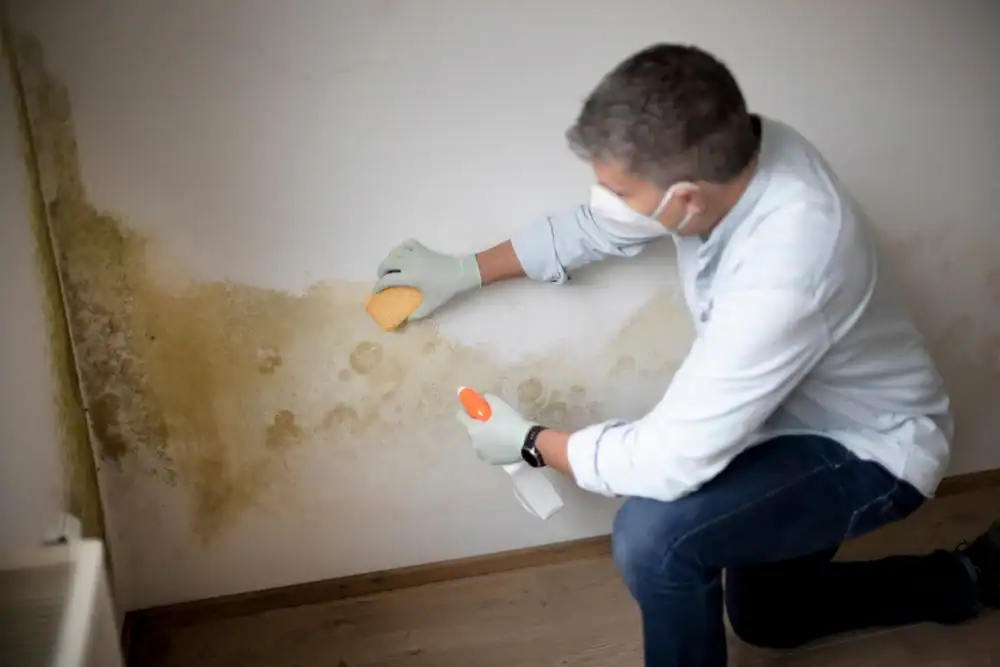
The honest answer is that you often can’t know without a proper inspection. The visible mold you can see from a doorway or a quick look under the house is rarely the whole picture. Mold grows toward moisture, which means it tends to concentrate in places that are dark, damp, and hard to see — inside wall cavities, beneath flooring, in the insulation under your home, and inside HVAC ductwork.
There’s a useful rule of thumb in the industry: if the affected area is small, confined to a non-porous surface, and you can identify and eliminate the moisture source yourself, professional mold removal may be sufficient. But if the mold has spread into porous materials, if you’re not sure where the moisture is coming from, or if the area is larger than a few square feet, you’re likely looking at remediation — not just removal.
For Guilford County homeowners specifically, crawl space mold almost always falls into the remediation category. Here’s why: crawl spaces in this region are persistently humid. Warm, moist air from outside meets the cooler surfaces under the home and condenses. That moisture feeds mold growth in the insulation, on the wood framing, and on any organic debris that’s accumulated over the years. By the time mold is visible in a crawl space, it’s typically been growing for a while — and it’s rarely limited to the spot you first noticed.
There’s also a pathway most homeowners don’t think about. Up to 40% of the air circulating through your home comes from the crawl space. That means mold growing beneath your floors isn’t staying down there — it’s moving through your HVAC system and into the air your family breathes every day. Addressing crawl space mold without also checking the ductwork misses half the problem.
North Carolina does not require a mold remediation license. Anyone with a van and a spray bottle can legally advertise mold services in this state. That’s not an exaggeration — there are no state certification programs for mold remediation companies or individual technicians in NC. Which means the burden of vetting falls entirely on you.
The most meaningful credential to look for is IICRC AMRT certification — Applied Microbial Remediation Technician. The IICRC S520 standard, which AMRT-certified technicians are trained to follow, is the only ANSI-approved mold remediation standard in the industry. It’s the standard used by banks, property managers, and insurance companies when they need to verify that remediation work was done correctly. It requires prerequisite training and must be renewed every two years. It’s not a weekend course.
Beyond certification, here are a few questions worth asking any contractor: Will you identify and address the moisture source, or just treat the mold? What products are you using — are they EPA-registered? Will I get documentation of what was found and what was done? Do you recommend post-remediation verification by an independent third party?
That last one is worth paying attention to. A contractor who encourages independent clearance testing is confident in their work. One who discourages it or doesn’t mention it is worth approaching with more caution.
The conflict-of-interest question is also worth raising. Some companies both test for mold and sell remediation services. When your revenue depends on finding a problem, you tend to find one. A company that separates inspection from remediation — or that’s transparent about the scope of what they found before recommending a course of action — is operating with a different set of incentives.
We’ve been doing this work in Guilford County since the early 1990s. Our IICRC AMRT certification isn’t a marketing credential — it’s the framework we actually follow on every job, from initial assessment through treatment and documentation. When we do a crawl space inspection, we use cameras so you can see exactly what we found. When we treat mold, we use EPA-registered products. And when the job is done, you have documentation to show for it.
Mold removal addresses visible mold on surfaces. Mold remediation addresses the mold, the materials it’s compromised, the moisture source driving it, and the verification that it’s actually gone. One is a component of the other — not a synonym.
In Guilford County’s climate, where humidity, clay soil, and heavy summer rains create persistent moisture conditions in crawl spaces and around foundations, the difference between a temporary fix and a lasting one usually comes down to whether the contractor treated the whole problem or just the part you could see.
If you’re trying to figure out what your situation actually calls for, the right starting point is an honest inspection — not a sales pitch. Clean Air LLC offers free inspections and free quotes, and we’ll tell you what we find before we recommend anything. Reach out and we’ll take a look.
Summary:
Article details:
Share: