
Contact Info
- Greensboro, NC 27406
- Call: 336-707-0498
- Text: 336-707-0498
-
Mon - Fri: 8am - 4pm
Sat - Sun: Closed
Contact Info
Your home's air ducts collect years of dust, allergens, and debris that circulate through every room. Clean Air LLC provides NADCA-certified residential duct cleaning throughout Guilford County, NC.
Your HVAC system pulls air through your ductwork five to seven times every single day. Whatever’s been accumulating in those ducts—dust from daily living, pollen tracked in from outside, pet dander, mold spores, construction debris from that bathroom remodel—gets circulated right back into the rooms where your family sleeps, eats, and plays.
Most Guilford County homeowners don’t think about their ductwork until something forces the issue. Maybe allergy symptoms that won’t quit despite medication. Dust that reappears on furniture hours after cleaning. A musty smell when the heat kicks on. Or an HVAC technician who opened a return vent and showed you what’s actually been circulating through your home for years.
This isn’t about selling you on services you don’t need. It’s about understanding what residential duct cleaning actually involves, when it makes sense for your home, and what changes when it’s done properly by NADCA-certified professionals. Let’s start with what happens during a real cleaning.
Real residential air duct cleaning isn’t a thirty-minute job with a shop vac and some disinfectant spray. It’s a systematic process that addresses your entire HVAC system—supply ducts, return ducts, registers, grills, diffusers, coils, drain pans, fans, blower components, and the air handling unit housing.
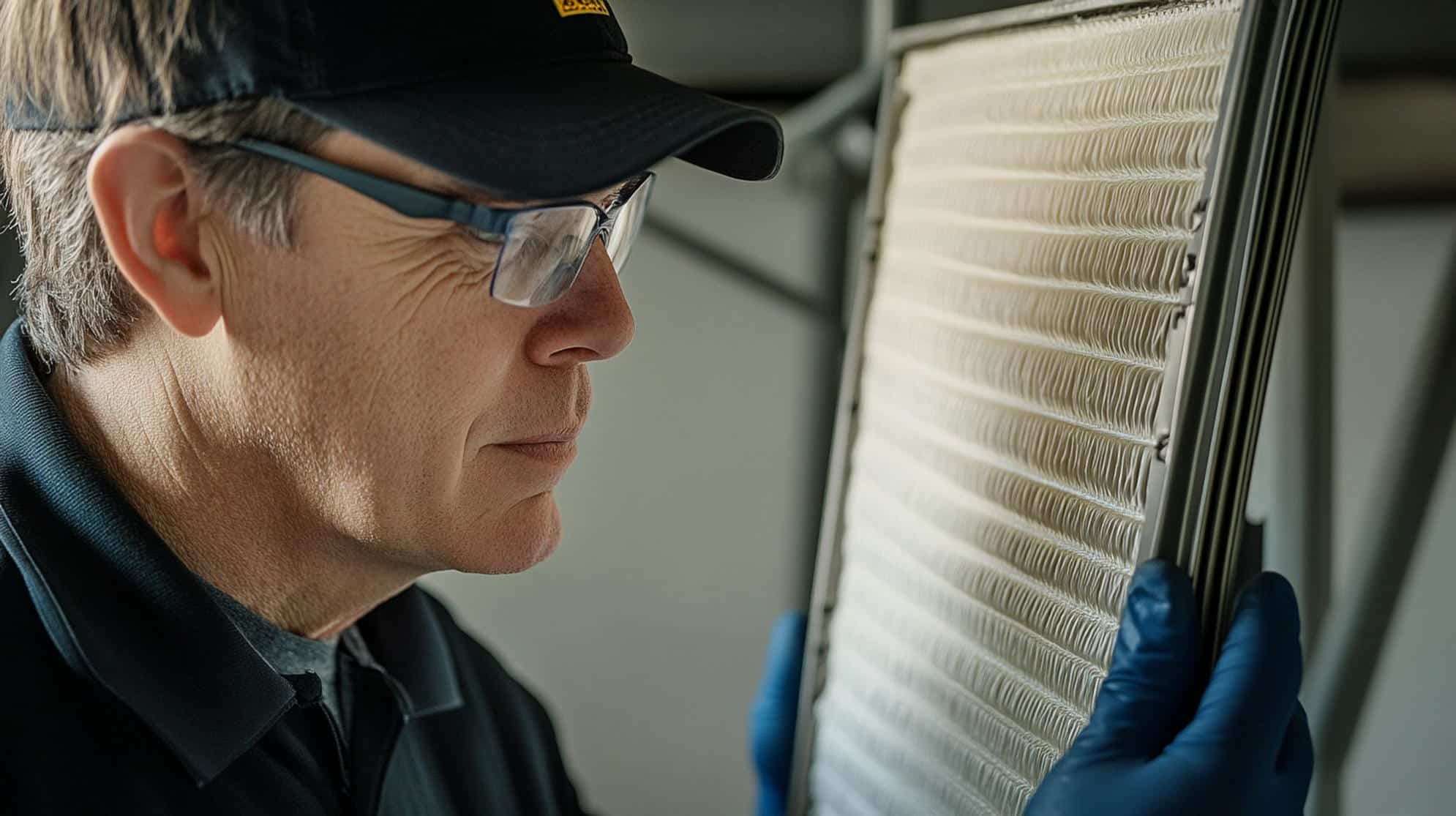
The process starts with inspection, not assumptions. Before we touch your system, you need to see what’s actually in there. That means running cameras into your ductwork so you can see the dust buildup, any mold growth, debris from renovations, or whatever else has been sitting in those ducts since your home was built.
Then comes proper containment and source removal. Your ducts get sealed off so contaminants don’t escape into your home during cleaning. Truck-mounted vacuum systems create negative pressure throughout the entire duct system—not just the vents you can see in your ceiling or floor, but the trunk lines and branches hidden in your walls, attic, and crawl space. This is what separates professional work from surface-level attempts.
There’s a significant difference between wiping down your vent covers and actually cleaning your duct system. You can vacuum your registers yourself. That’s basic maintenance, and it helps reduce visible dust. But it doesn’t address what’s deeper in the system where the real contamination lives.
Professional home air vent cleaning reaches the areas you physically cannot access. The return air ducts that pull unfiltered air from your rooms. The supply ducts that distribute conditioned air to every corner of your home. The evaporator coils where moisture condenses and can promote mold growth. The blower assembly where dust accumulates and gets redistributed every time your system runs.
The equipment matters tremendously here. Portable vacuums sold at home improvement stores don’t have the power to create true negative pressure throughout a whole duct system. They can’t reach deep into trunk lines or pull debris from around corners and joints in your ductwork. Truck-mounted systems can. They’re engineered specifically for this work, with HEPA filtration that captures particles down to 1/300th the diameter of a human hair.
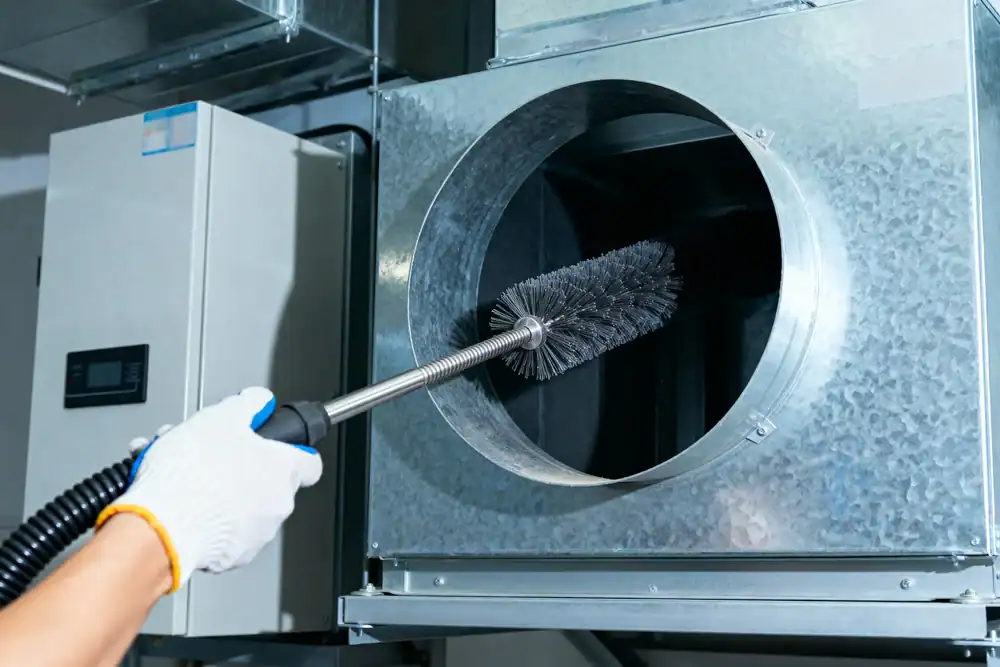
The process also includes mechanical agitation. Specialized brushes, compressed air tools, and air whips physically dislodge the debris that’s stuck to your duct walls—sometimes for years. That debris then gets pulled into the vacuum system instead of being pushed further into your home or settling back onto duct surfaces. You’re not just moving dust around. You’re extracting it completely from your HVAC system.
When it’s done according to NADCA standards, you can verify the results. A camera inspection after cleaning shows you clean duct surfaces. No visible dust layers. No debris. No mold growth. That’s the difference between surface-level work and actual residential duct cleaning that follows professional protocols.
Guilford County homes often have specific challenges. Crawl space humidity. Older ductwork that’s never been cleaned. Flex duct that can tear if handled improperly. With decades of local experience, we understand these issues and know how to address them without causing damage or missing problem areas.
Furnace duct cleaning is part of comprehensive HVAC system cleaning, but it’s not the complete picture. Your furnace connects to a network of ducts that distribute heated air throughout your home during winter. Those same ducts also serve your air conditioner in summer. Everything’s interconnected, which means contamination in one area affects the entire system.
The furnace itself has components that directly affect your air quality. The heat exchanger where combustion gases are separated from air that enters your home. The blower motor and fan that move air through the system. The filter housing where your air filter sits. If you’re only cleaning ducts and ignoring these components, you’re missing sources of contamination that will keep circulating through your system no matter how clean the ducts are.
Return air ducts deserve special attention during any professional cleaning. These are the ducts that pull air from your living spaces back to your HVAC system for conditioning. They’re often larger than supply ducts, and they collect everything that’s floating in your home’s air. Pet hair and dander. Cooking residue and grease particles. Dust from daily living. Pollen that comes in on your clothes and shoes. All of it gets pulled into these returns every time your system runs.
Supply ducts distribute conditioned air to your rooms through vents in your floors, walls, or ceilings. They’re under positive pressure, which means they’re less likely to pull in contaminants from outside the duct system. But they still accumulate dust over time, especially if your return ducts or filter system isn’t working properly or if there are leaks in the ductwork.
The whole system works together as one unit. Cleaning one part while ignoring others doesn’t solve the underlying problem. That’s why professional residential air duct cleaning addresses the complete HVAC system—not just the ducts you can see from your vents, but every component that touches the air your family breathes.
Your ductwork type also matters for proper cleaning. Flex duct, sheet metal, and duct board all require different approaches and techniques. Flex duct can tear or separate if handled roughly or if too much pressure is applied. Sheet metal can handle more aggressive cleaning methods. Duct board has a porous surface that can harbor mold if it gets wet or if moisture issues aren’t addressed. Knowing these differences prevents damage during cleaning and ensures each section gets appropriate treatment based on its construction and condition.
In Guilford County homes built before the 2000s, you’ll often find a mix of duct types. The main trunk lines might be sheet metal, with flex duct branches running to individual rooms. Understanding how these connect and how to clean each type without causing damage or missing contaminated areas requires experience with residential systems specifically.
Want live answers?
Connect with a Clean Air LLC expert for fast, friendly support.
Not every home needs duct cleaning right now. The EPA doesn’t recommend routine cleaning on a fixed schedule. But certain situations make it necessary rather than optional, and ignoring these signs can affect your family’s health and your HVAC system’s performance.
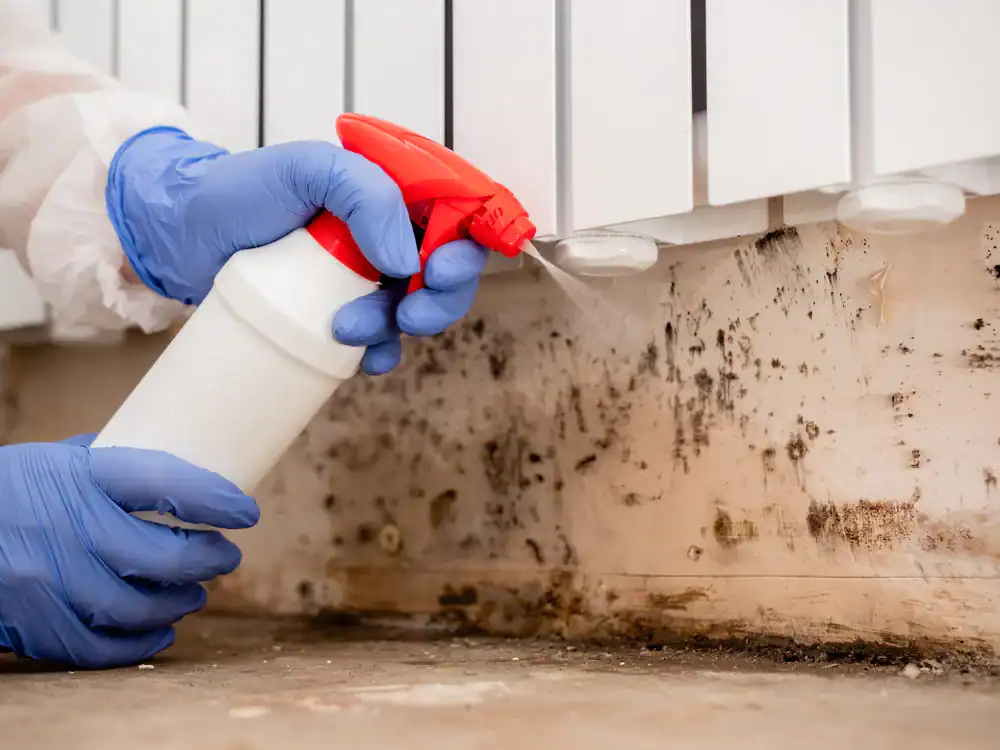
Visible mold growth in your ducts or on vent covers means you have both a moisture problem and a contamination problem. Mold releases spores into your air that circulate through your HVAC system every time it runs. Cleaning removes what’s there, but you also need to identify and fix whatever’s causing moisture buildup—whether that’s crawl space humidity, duct leaks, or condensation on coils.
Pest infestations leave behind droppings, nesting materials, urine, and dead insects in your ductwork. These decompose over time and get blown into your living space. If you’ve had rodents in your attic or insects in your crawl space, they’ve likely been in your ducts too. The allergens from rodent droppings can trigger serious respiratory reactions.
You don’t need to guess whether your ducts need attention. Your home will tell you through specific, observable signs that indicate contamination or system problems.
Dust reappearing on surfaces hours after you clean is one of the clearest indicators. If you’re dusting twice a week and it’s not making a lasting difference, something’s continuously introducing dust into your air. Your ductwork is the most likely source, especially if you see dust puffing from vents when your HVAC starts.
Allergy or asthma symptoms that worsen when you’re home suggest indoor air quality issues you can’t ignore. If you feel better when you’re outside or away from home, and symptoms return within hours of being back inside, your indoor environment is triggering reactions. Ductwork full of allergens—dust mites, pollen, pet dander, mold spores—keeps those triggers circulating no matter how much you clean visible surfaces.
According to the American College of Allergists, as much as 50% of all allergies are caused or aggravated by poor indoor air quality. For families dealing with respiratory issues, that statistic makes duct cleaning more than a maintenance task—it’s a health intervention.
Musty or stale odors when your HVAC system starts up indicate contamination somewhere in the system. That smell is coming from mold, mildew, or decomposing organic matter in your ducts. It’s not something that will go away on its own, and air fresheners just mask the problem without addressing the source.
Visible dust blowing from vents when your system turns on means there’s loose debris in your ductwork that gets disturbed every time air moves through. Every cycle picks up particles and deposits them in your rooms, on your furniture, and in the air your family breathes.
Uneven heating or cooling in different rooms can result from blocked or restricted ductwork. Dust buildup reduces airflow to certain vents, making some rooms harder to heat or cool than others. Your HVAC system works harder trying to compensate, which increases energy use and puts extra wear on components. Studies show that 25 to 40 percent of HVAC energy can be wasted when systems work harder due to contamination.
Recent home renovations create massive amounts of fine dust. Drywall dust, sawdust, insulation fibers, and construction debris get pulled into your duct system through return vents even if contractors tried to cover them. Fine particles find their way in regardless. Cleaning after renovations removes this debris before it circulates through your home for the next several years.
New home purchases in Greensboro, High Point, or anywhere in Guilford County are another good time for duct cleaning. You don’t know how the previous owners maintained the system or what’s been accumulating in there. Construction debris from when the home was built might still be in the ducts. Starting with clean ducts gives you a baseline and lets you maintain the system properly going forward.
The National Air Duct Cleaners Association recommends cleaning ducts every three to five years for most homes under normal conditions. That’s a guideline based on typical accumulation rates, not a hard rule that applies to every situation. Your Guilford County home might need more frequent cleaning depending on specific factors.
Homes with pets need more frequent attention. Pet dander, fur, and tracked-in dirt accumulate faster than in homes without animals. If you have multiple pets or breeds that shed heavily—Labs, German Shepherds, cats with long fur—consider cleaning every two to three years instead of waiting five. Pet owners often notice significant improvement in air quality and reduction in pet odors after professional cleaning.
Smokers in the home leave residue in ductwork that builds up over time and affects everyone in the household. Tobacco smoke particles stick to duct surfaces and get redistributed when your HVAC runs. More frequent cleaning helps manage this buildup and reduce exposure to secondhand smoke residue.
Family members with allergies or asthma benefit from more frequent cleaning because it reduces allergen exposure where they spend most of their time. If someone in your household struggles with respiratory issues, cleaning every two to three years might provide noticeable symptom relief. Some families report up to 40% reduction in allergy symptoms after professional duct cleaning.
Homes in areas with high outdoor pollution, frequent wildfires, or high pollen counts pull more contaminants into the duct system through normal air exchange. North Carolina’s pollen seasons can be intense, especially in spring. Your HVAC filter catches some of this, but not everything. More frequent cleaning helps manage the increased contamination load that comes with local environmental conditions.
Older homes with original ductwork that’s never been professionally cleaned definitely need attention. If your Guilford County home is more than ten years old and the ducts haven’t been cleaned, that’s a decade of accumulation—dust, allergens, possibly mold, and whatever else has been pulled into the system. Getting them cleaned establishes a baseline, and then you can maintain a regular schedule based on your household’s specific needs.
Homes with crawl spaces face additional challenges. Up to 40% of the air in your home can come from your crawl space through natural air movement and the stack effect. If your crawl space has moisture issues, exposed dirt, or poor ventilation, that affects your ductwork and indoor air quality. Addressing crawl space problems alongside duct cleaning provides more comprehensive and longer-lasting results.
The key is paying attention to your home rather than following an arbitrary timeline. If you’re noticing signs that cleaning is needed—excessive dust, odors, worsening allergy symptoms, visible mold—don’t wait for a calendar date. Address the issue when it becomes apparent, and work with professionals who can identify underlying causes rather than just treating symptoms.
Residential duct cleaning makes a measurable difference when it’s done properly by NADCA-certified professionals who understand HVAC systems and follow established industry standards. It’s not about selling you services on a predetermined schedule. It’s about addressing real issues that affect your indoor air quality, your family’s health, and your HVAC system’s long-term performance and efficiency.
We’ll inspect your system with cameras before recommending cleaning. We’ll show you what’s actually in your ducts so you can make an informed decision. We’ll explain our process, use professional-grade equipment designed specifically for this work, and document the results with before-and-after footage so you can see the difference.
If you’re in Guilford County and your home is showing signs that duct cleaning might help, we offer free inspections so you can see what’s actually in your system before making any decisions. With over 30 years focusing exclusively on residential properties in Greensboro, High Point, and surrounding areas, NADCA certification, BBB accreditation, and 66+ five-star reviews, we understand what Guilford County homes need—and we’re honest about when cleaning makes sense and when it doesn’t.
Summary:
Share: