
Contact Info
- Greensboro, NC 27406
- Call: 336-707-0498
- Text: 336-707-0498
-
Mon - Fri: 8am - 4pm
Sat - Sun: Closed
Contact Info
Not sure if you need a sump pump, French drain, or both? This guide breaks down how each system works and helps you choose the right basement waterproofing solution.
You’ve noticed water where it shouldn’t be. Maybe it’s a damp spot on the basement floor after heavy rain, or that musty smell that won’t go away no matter how many times you run a dehumidifier. You know you need to do something, but when you start looking into basement waterproofing, you’re hit with two main options: sump pumps and French drains. And honestly, it’s not always clear which one you actually need—or if you need both. This isn’t about picking the “better” system. It’s about understanding what each one does, how they work differently, and which approach actually solves the problem you’re dealing with. Let’s break it down.
A sump pump sits in a pit at the lowest point of your basement or crawl space. When water collects in that pit, the pump kicks on and pushes it out through a discharge pipe that carries it away from your foundation. That’s the basic idea.
The pump itself activates automatically when the water level rises to a certain point. Once it’s pumped the water out, it shuts off until the next time water shows up. If your basement floods during storms or you’ve got groundwater that consistently seeps in, a sump pump is what removes that water once it’s already inside.
There are two main types. Submersible pumps sit underwater in the pit and tend to be quieter and more powerful. Pedestal pumps have the motor sitting above the pit, which makes them easier to service but louder when they’re running. Most homes go with submersible because they handle higher volumes and don’t take up visible space in the basement.
Installing a sump pump isn’t a quick weekend project. If you don’t already have a sump pit, we have to cut through your basement floor, dig out a hole deep enough to collect water, and install a liner to keep the pit from collapsing. That pit usually goes about two to three feet below your basement floor.
Once the pit is in place, the pump goes inside it, along with a float switch that tells the pump when to turn on. The discharge pipe runs from the pump up and out of your house, usually through the basement wall or up through the floor. That pipe needs to slope correctly so water doesn’t flow back toward your foundation.
Most installations also include a check valve on the discharge line. This prevents water from flowing backward into the pit after the pump shuts off, which would just make the pump work harder than it needs to. You’ll also want to make sure there’s a dedicated electrical outlet nearby, because sump pumps need power to run.
If you live in Guilford County where power outages can happen during severe weather—exactly when you need your pump most—a battery backup system is worth considering. It keeps the pump running even when the electricity’s out. Some homeowners also add a secondary pump for extra protection if the primary one fails or gets overwhelmed during heavy rain.
The whole installation process typically takes a few hours to a full day, depending on whether you’re replacing an existing pump or starting from scratch. Sump pump installation cost usually runs between $800 and $2,500 for a complete system, with submersible pumps and battery backups pushing toward the higher end of that range.
Sump pumps work best when you’re dealing with water that’s already made its way into your basement or crawl space. If you’ve got a high water table—meaning groundwater sits close to the surface around your home—a sump pump gives you a way to actively remove that water before it floods your basement.
They’re also the right call if you’re in a low-lying area where water naturally flows toward your house. During Greensboro’s heavy spring storms, that water has to go somewhere, and a sump pump makes sure it doesn’t stick around long enough to cause damage. Basements that consistently see water after rain are prime candidates.
Another scenario where sump pumps shine is when you’ve already got an interior drainage system installed. Those systems collect water from around your foundation and channel it to the sump pit, where the pump takes over. Without the pump, that water would just sit there.
But here’s the thing: sump pumps are reactive, not preventive. They remove water that’s already shown up, but they don’t stop it from getting there in the first place. That’s where French drains come into play. A sump pump handles the water once it arrives. A French drain tries to keep it from arriving at all.
If your basement only floods during extreme weather events and you don’t have ongoing moisture issues, a sump pump alone might be enough. But if you’re seeing water regularly or dealing with persistent dampness—common in areas with Guilford County’s clay-heavy soil—you’re probably going to need more than just a pump.
One more consideration: sump pumps require electricity and regular maintenance. You’ll need to test the float switch periodically, clean out the pit to prevent clogs, and make sure the discharge line isn’t frozen or blocked. They’re mechanical systems, which means they can fail. That’s not a reason to skip them, but it is a reason to make sure yours is properly maintained and has a backup power source.
Want live answers?
Connect with a Clean Air LLC expert for fast, friendly support.
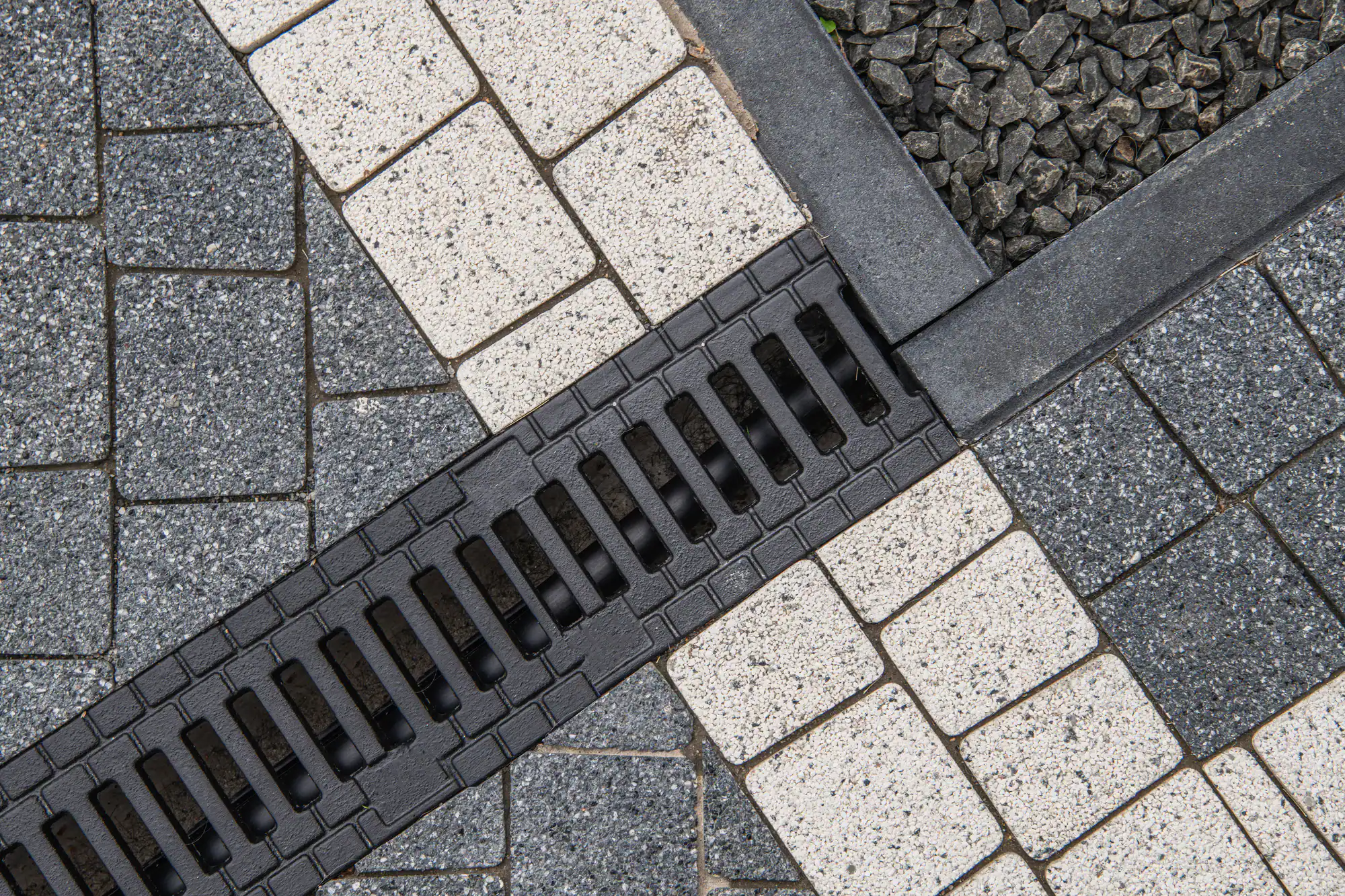
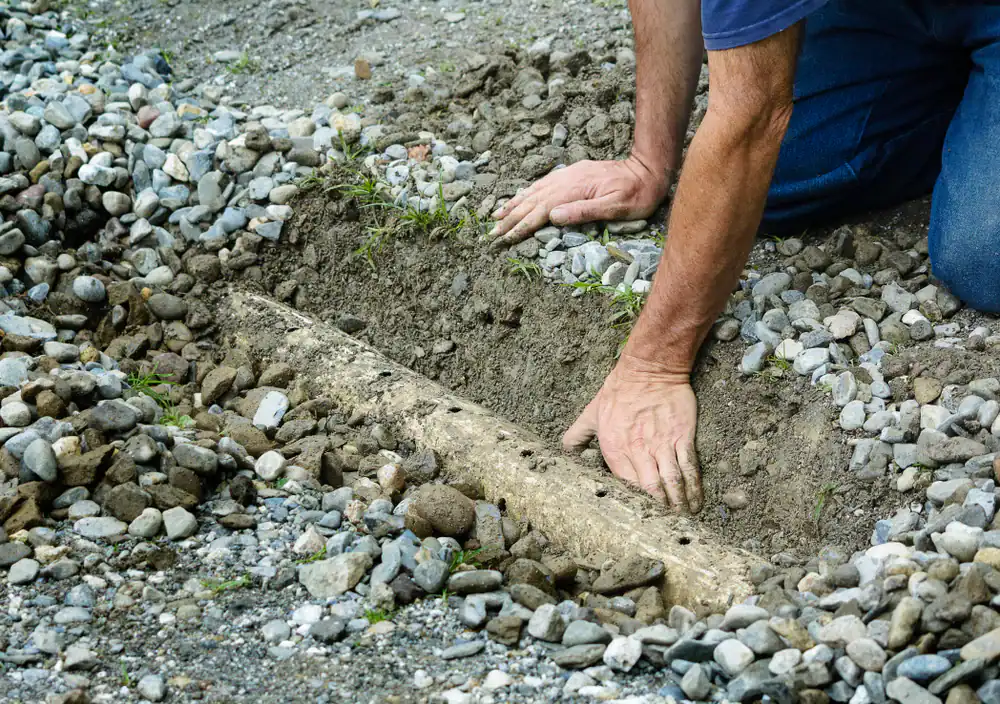
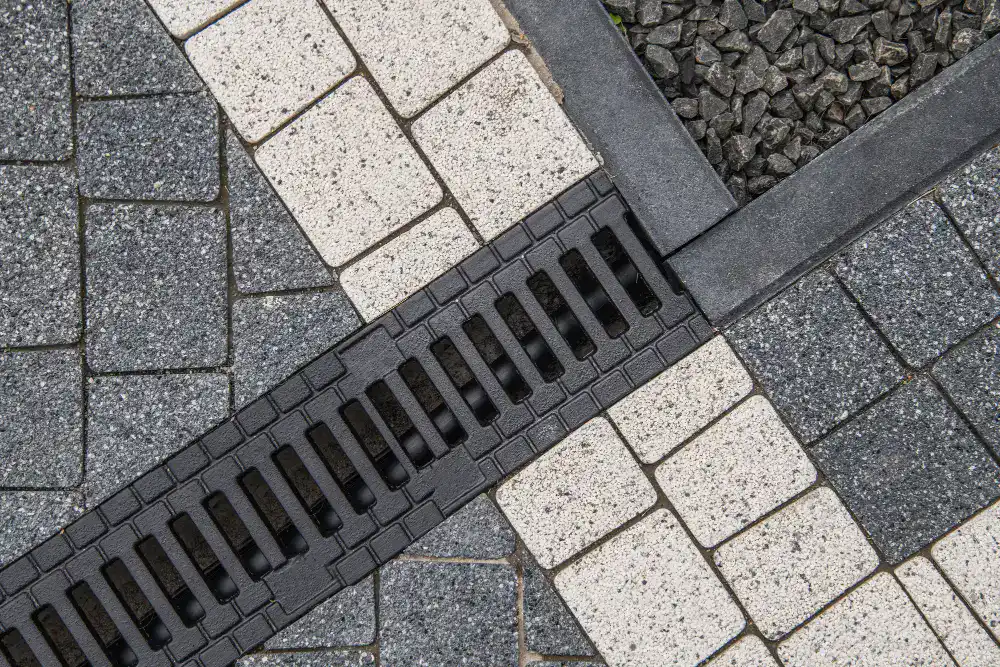
A French drain is basically a trench filled with gravel and a perforated pipe that redirects groundwater away from your foundation before it becomes a problem. Unlike sump pumps, French drains work passively using gravity. Water flows into the gravel, enters the pipe through small holes, and gets carried downhill to a safe drainage area away from your house.
There are two types: exterior and interior. Exterior French drains are installed outside your foundation, usually around the perimeter of your home. They intercept water before it ever reaches your basement walls. Interior French drains run along the inside perimeter of your basement floor, collecting water that seeps through and directing it to a sump pump or exterior drain.
The big advantage here is that French drains don’t need electricity, don’t have moving parts, and work continuously without you having to do anything. Once they’re installed correctly, they just keep doing their job. That makes them reliable in a way that mechanical systems can’t match.
French drains work on a simple principle: give water an easier path than your basement. When rain saturates the ground around your foundation, that water creates pressure against your basement walls. Over time, that pressure finds cracks, joints, and weak spots to push through. A French drain intercepts that water before the pressure builds up.
The trench gets dug to a depth below your basement floor, typically around the foundation’s footing. A layer of gravel goes in first, then the perforated pipe, then more gravel on top. Some installations also include a fabric sleeve around the pipe to keep soil and debris from clogging the holes. The whole thing gets covered over, so you don’t see it once it’s done.
The pipe slopes gradually downward, usually about an inch for every eight feet of length. That slope is what moves the water along using gravity alone. The water flows through the pipe until it reaches a discharge point—either a storm drain, a dry well, or sometimes a sump pump if the terrain doesn’t allow for a gravity-based exit.
Interior French drains work the same way, but they’re installed inside your basement along the perimeter. We cut a trench into your basement floor near the walls, install the drain system, and then patch the concrete back over it. These systems are less invasive than exterior drains because they don’t require excavating around your entire foundation, but they do mean cutting into your basement floor.
The real benefit of French drains is prevention. They reduce hydrostatic pressure against your foundation, which means less stress on your basement walls and fewer cracks developing over time. In Greensboro where clay soil expands when wet and contracts when dry, that pressure relief makes a real difference in keeping your foundation stable.
French drains also help with surface water management. If your yard doesn’t drain well and water pools near your foundation—a common issue in Guilford County’s rolling terrain—an exterior French drain can redirect that runoff before it ever gets close to your house. That’s especially useful if your property sits at the bottom of a slope or in a low spot where water naturally collects.
French drains cost more upfront than sump pumps, mainly because of the labor involved. Exterior systems require digging a trench around your foundation, which means moving landscaping, excavating through soil, and then restoring everything once the drain is installed. You’re looking at anywhere from $5,000 to $15,000 for a full perimeter system, depending on your property size and soil conditions.
Interior French drains are usually less expensive because the work happens inside and doesn’t require as much excavation. Costs typically run between $2,000 and $6,000 for an interior system, though that can vary based on your basement’s size and layout.
The higher initial cost is offset by lower long-term expenses. French drains don’t have motors to replace, no electricity costs, and minimal maintenance requirements. You’ll want to check the discharge point occasionally to make sure it’s not blocked, and every few years it’s smart to flush the system to clear any sediment buildup. But compared to sump pumps that need regular testing and eventual replacement, French drains are pretty hands-off.
One thing to watch for is clogging. Over time, silt and debris can work their way into the pipe, especially if the system wasn’t installed with proper filtration fabric. That’s why quality installation matters. A properly installed French drain with the right materials should last decades without major issues.
The other consideration is where the water goes. If your property doesn’t have a good natural drainage point, you might need to combine your French drain with a sump pump to move the water out. That adds to the cost, but it also gives you a comprehensive drainage solution that handles water at multiple stages.
In areas with heavy clay soil like Greensboro, French drains can be more challenging to install because the soil doesn’t drain naturally. We might need to dig deeper or use more extensive gravel bedding to ensure water flows properly. That can push costs higher, but it’s necessary to make the system work in these conditions.
Despite the higher upfront investment, French drains often provide better long-term value for basement waterproofing because they address the root cause of water intrusion rather than just reacting to it. They’re also less likely to fail at the worst possible moment, since there’s no mechanical component that can break down during a storm.
Here’s what it comes down to: sump pumps remove water that’s already there, and French drains prevent it from showing up in the first place. Most homes dealing with serious water issues need both working together. The French drain reduces the load by intercepting groundwater before it reaches your foundation, and the sump pump handles whatever still makes it through.
If you’re seeing water in your basement after storms, dealing with musty smells, or noticing cracks in your foundation walls, the right system depends on your specific situation—your soil type, property slope, water table level, and how much water you’re actually dealing with. There’s no one-size-fits-all answer, which is why a proper inspection matters before you commit to any solution.
We’ve been helping Guilford County homeowners solve moisture problems for over 30 years. We can assess your situation, explain what’s actually needed, and install systems that work for your home—not just what’s easiest to sell.
Summary:
Share: