
Contact Info
- Greensboro, NC 27406
- Call: 336-707-0498
- Text: 336-707-0498
-
Mon - Fri: 8am - 4pm
Sat - Sun: Closed
Contact Info
Household cleaners can't reach mold roots in porous materials. Professional mold removal in Guilford County, NC addresses hidden growth and moisture sources DIY methods miss.
You’ve scrubbed the mold off your bathroom wall three times this year. Each time, it comes back darker and spreads a little further. The bleach bottle promises results, but your walls tell a different story. You’re not alone, and you’re not doing anything wrong. The problem is that surface cleaning can’t solve a problem that lives beneath the surface. This is exactly why homeowners across Guilford County, NC are moving away from DIY attempts and toward professional mold removal that actually addresses what’s happening behind your walls, under your floors, and inside your HVAC system. Let’s talk about what really works and why it matters for your home’s future.
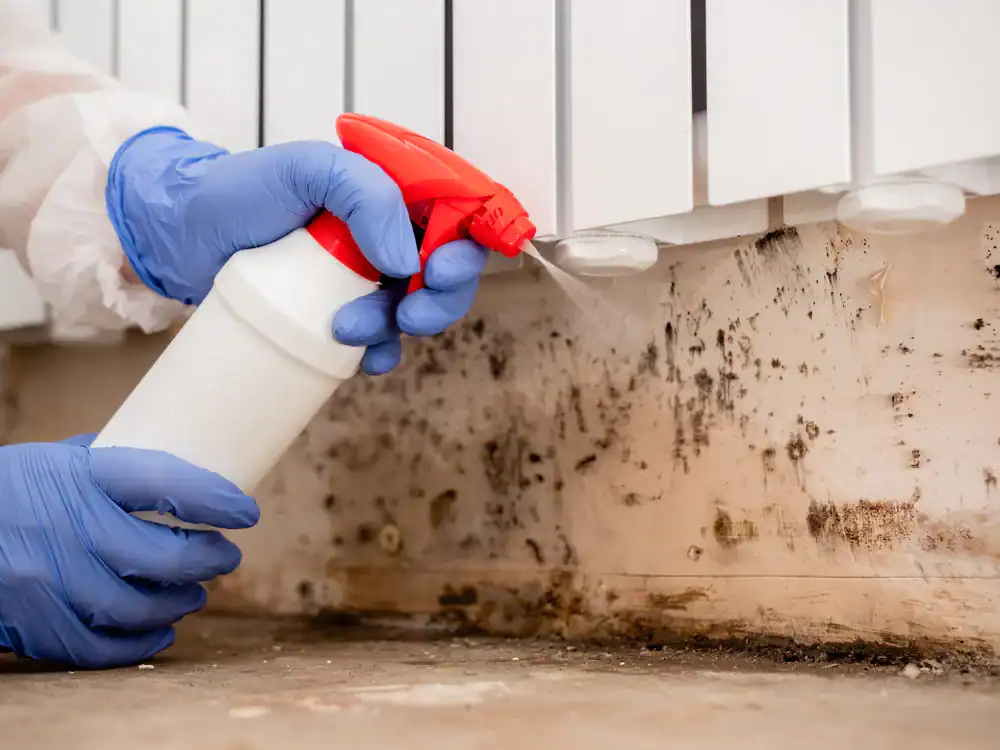
Walk into any hardware store and you’ll find an entire aisle dedicated to mold removal products. Sprays, wipes, foggers, and solutions that promise to eliminate mold in minutes. Yet homeowners keep seeing the same dark patches return within weeks.
The reason is simple. Mold isn’t just sitting on your wall. It’s threading through porous materials like drywall, wood, and insulation. When you spray bleach on a moldy surface, you’re cleaning what you can see while the roots remain untouched, ready to regrow as soon as moisture returns.
Guilford County’s humid subtropical climate makes this problem worse. Clay-heavy soils retain moisture. Summer humidity hovers around 70%. Your crawl space or basement becomes the perfect environment for mold to thrive, and a spray bottle can’t change those conditions. Professional mold removal starts with understanding that the visible growth is just a symptom of a larger moisture problem that needs a real solution.
Professional mold removal follows a completely different process than what you can do with store-bought products. It starts with finding every place mold is growing, including areas you can’t see.
We use moisture meters to detect water vapor behind walls. Thermal imaging cameras reveal temperature differences that indicate hidden moisture. Infrared technology locates mold growth inside HVAC systems, under flooring, and in other concealed spaces. This diagnostic phase matters because you can’t fix what you don’t know exists.
Once we’ve mapped the full extent of contamination, we create containment barriers using plastic sheeting and negative air pressure systems. This prevents mold spores from spreading to clean areas during removal. HEPA filtration equipment captures microscopic particles that would otherwise circulate through your home.
The removal process itself uses EPA-approved antimicrobial treatments that aren’t available to consumers. These commercial-grade products penetrate porous materials to kill mold at the root level. When materials like drywall or insulation are too heavily contaminated, we remove and properly dispose of them rather than trying to clean what can’t be salvaged.
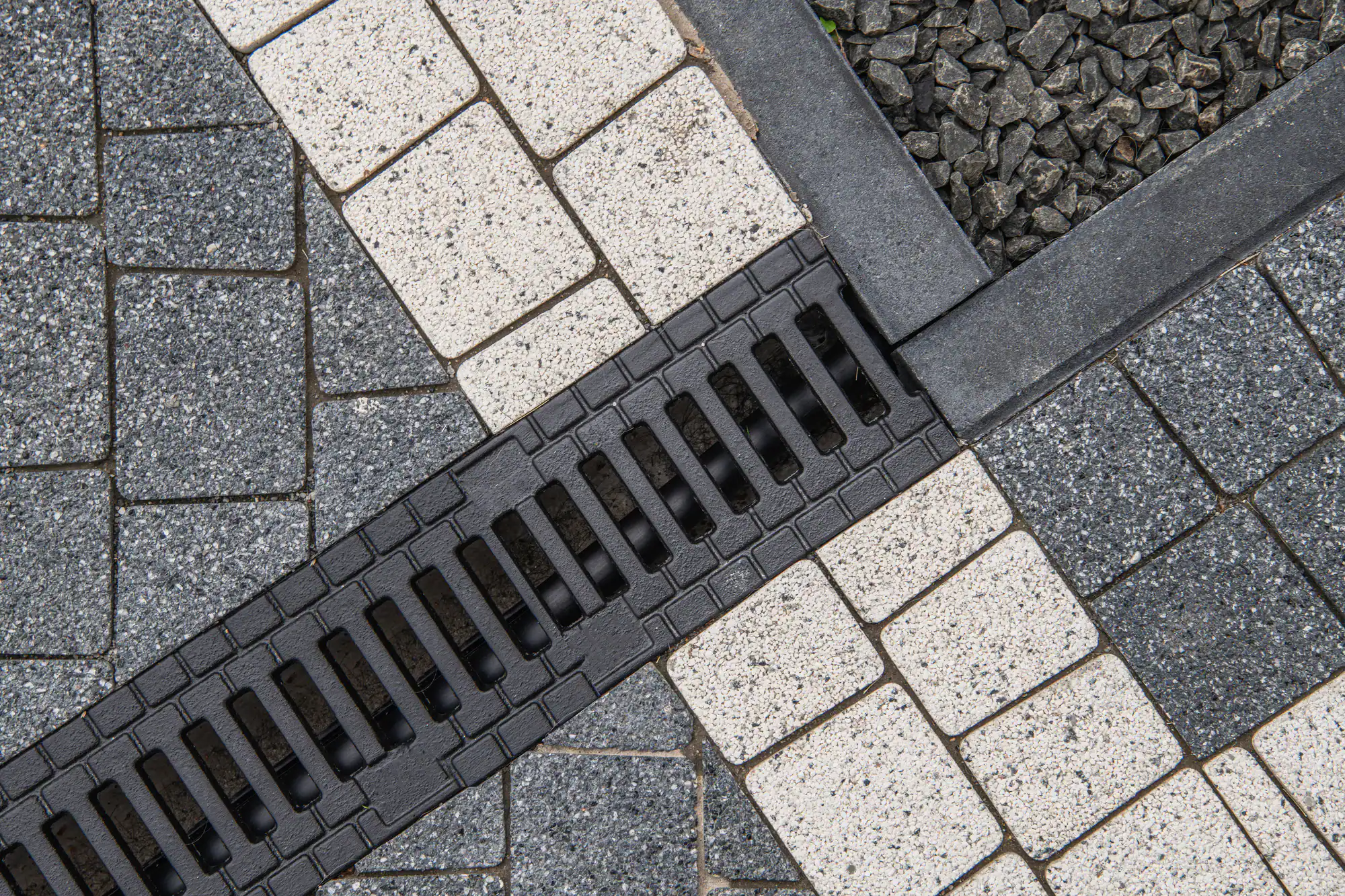
But here’s what separates professional mold remediation from DIY attempts: we don’t stop at removal. We identify and fix the moisture source. Maybe that means installing a French drain to redirect groundwater away from your foundation. Maybe it requires sump pump repair to prevent basement flooding. Maybe your crawl space needs encapsulation with a vapor barrier and dehumidification system. Without addressing why mold grew in the first place, you’re just setting yourself up for the same problem next month.
Post-remediation verification confirms the work is complete. Air quality testing, visual inspection, and moisture level documentation provide proof that your home is actually mold-free, not just temporarily cleaned.
Mold doesn’t just look bad. It actively damages your property and threatens your health every day it remains.
Start with the structural impact. Mold feeds on organic materials. Wood support beams, floor joists, and wall framing gradually weaken as mold consumes the cellulose. Drywall becomes soft and crumbly. Insulation loses its effectiveness and holds moisture like a sponge. What begins as a cosmetic issue can compromise your home’s structural integrity within months.
The financial consequences hit hard. Homes with documented mold history lose 20% to 37% of their resale value. Half of potential buyers walk away immediately after learning a property had mold problems, even if remediation was performed. North Carolina disclosure requirements mean you can’t hide past mold issues when selling. Every month you delay professional treatment potentially costs you thousands in lost property value.
Health effects vary by individual, but the statistics are clear. Mold contributes to 4.6 million asthma cases in the United States annually. About 21% of all asthma cases link directly to dampness and mold exposure. Symptoms range from mild irritation like sneezing and watery eyes to serious respiratory infections, chronic fatigue, and persistent headaches. Children, elderly family members, and anyone with compromised immune systems face heightened risks.
The longer mold remains, the more expensive remediation becomes. Small patches grow into large infestations. Surface growth spreads behind walls. Spores travel through your HVAC system to contaminate areas that were previously clean. What might have cost $1,500 to address early can balloon to $9,000 or more once it spreads throughout your home.
Time doesn’t improve mold situations. It only makes them worse. The musty smell gets stronger. The dark patches spread further. Your family’s unexplained health symptoms persist. Meanwhile, the underlying moisture problem continues creating conditions for more growth. Professional mold removal stops this progression and prevents the escalating damage that comes with waiting.
Want live answers?
Connect with a Clean Air LLC expert for fast, friendly support.
The upfront cost of professional mold remediation typically ranges from $1,500 to $9,000 depending on the extent of contamination. That number makes some homeowners reach for the $15 spray bottle instead. It seems like the budget-friendly choice until you calculate what repeated DIY failures actually cost.
DIY supplies add up quickly. Cleaning products, protective gear, replacement materials, and multiple attempts can easily exceed $300 before you’ve solved anything. Then mold returns and you’re buying more supplies. The cycle continues while the problem worsens.
But the real cost isn’t measured in spray bottles. It’s measured in water damage repairs when the moisture source goes unaddressed. It’s measured in structural work when wood framing rots from prolonged exposure. It’s measured in the property value you lose when disclosure requirements force you to reveal mold history to buyers. Professional mold removal prevents these escalating expenses by solving the problem correctly the first time.
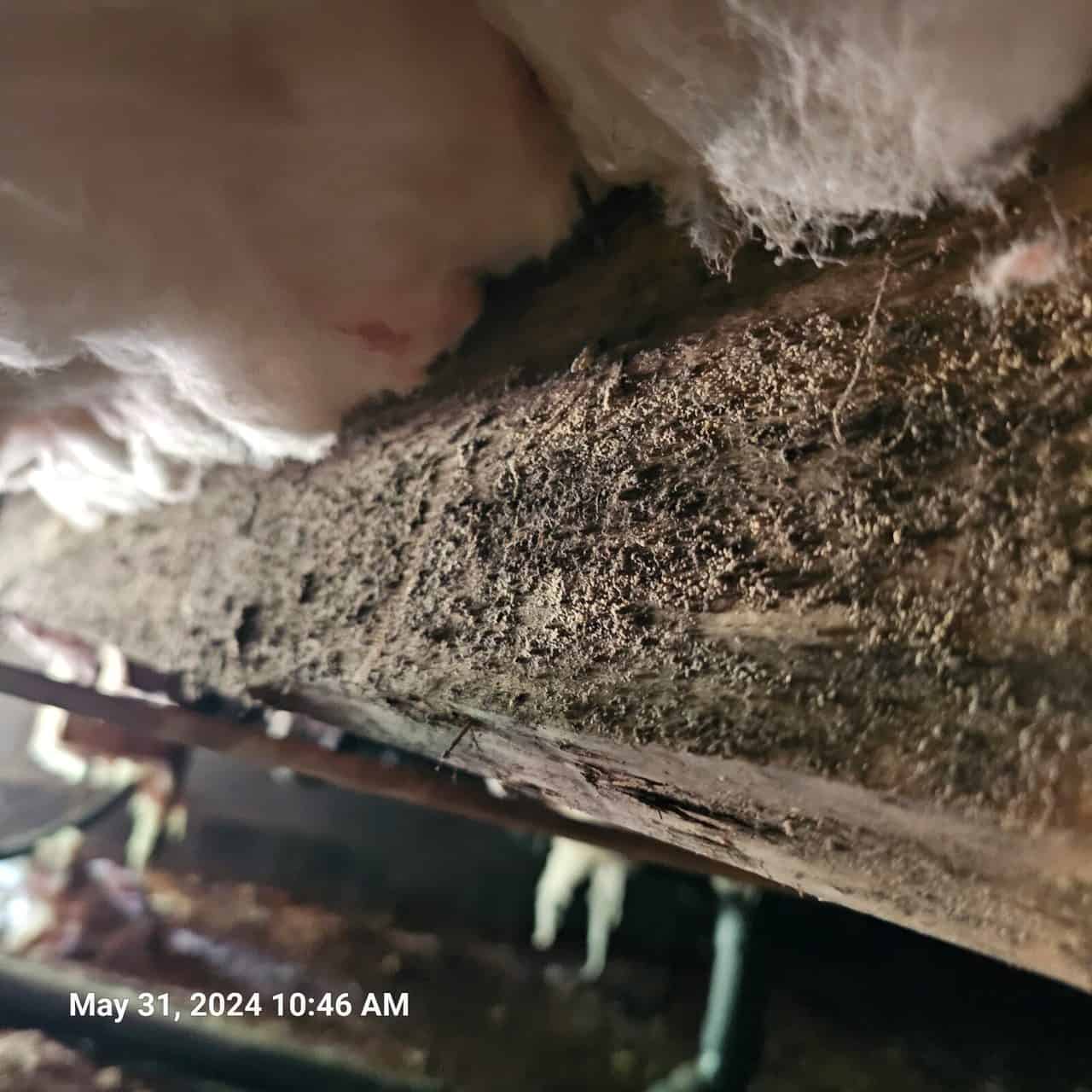
Mold needs three things to grow: moisture, a food source, and time. You can remove existing mold, but if moisture remains, new growth appears within 24 to 48 hours. This is why moisture control matters more than any cleaning product.
Guilford County’s climate presents specific challenges. Clay soils swell when wet and retain moisture against foundation walls. Crawl spaces with open vents invite humid outdoor air that condenses on cooler surfaces. Basements below grade collect groundwater seepage. Older homes in neighborhoods like Fisher Park and Lindley Park often lack modern moisture control systems entirely.
Professional solutions address these conditions directly. French drain installation creates a path for groundwater to flow away from your foundation instead of seeping into your basement or crawl space. These drainage systems use perforated pipes buried in gravel-filled trenches, sloped to direct water toward a discharge point or sump pump system.
Sump pump repair or installation provides active water removal when gravity-based drainage isn’t sufficient. The pump sits in a pit at your basement’s lowest point, automatically activating when water reaches a critical level. During heavy rainfall or seasonal flooding, a functioning sump pump prevents the standing water that creates perfect mold-growing conditions.
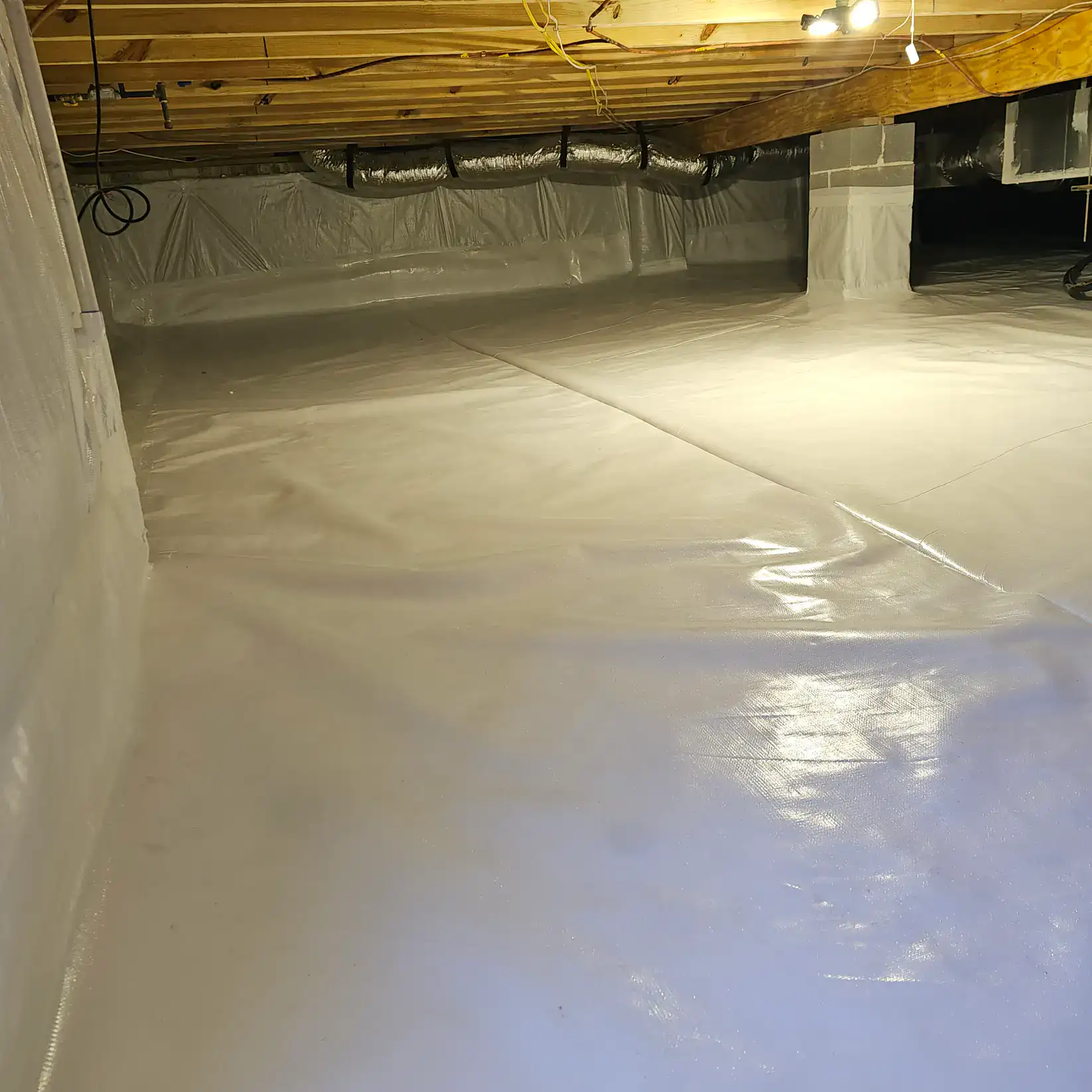
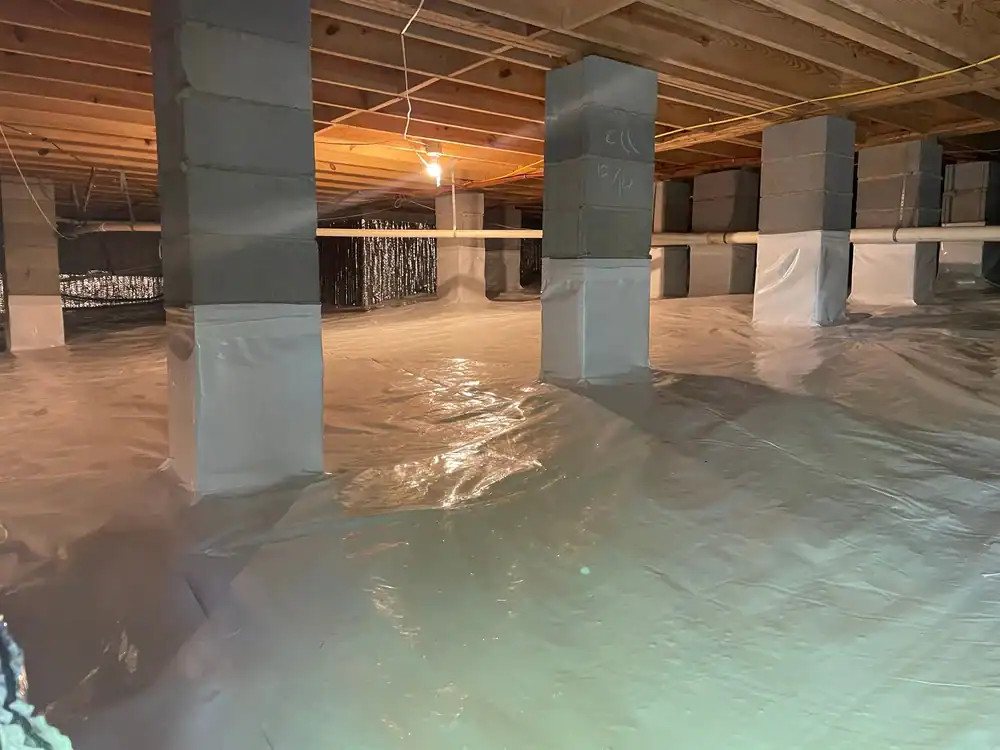
Crawl space encapsulation seals your home’s underside against moisture intrusion. A heavy-duty vapor barrier covers the ground and walls, preventing water vapor from rising into your living space. Paired with a dehumidifier, this system maintains humidity levels below the 60% threshold where mold thrives. The result is a dry, controlled environment where mold simply can’t establish itself.
These moisture control solutions work together to create long-term protection. The French drain handles exterior water before it reaches your foundation. The sump pump removes any water that does enter. The encapsulation system controls humidity and prevents vapor transmission. Each component addresses a specific moisture source, and together they eliminate the conditions mold requires to grow.
This comprehensive approach costs more upfront than a bottle of bleach. But it actually solves the problem instead of temporarily masking it. You’re investing in prevention rather than paying for the same cleanup over and over while your home continues deteriorating.
Most homeowners call for mold removal after spotting visible growth. But that dark patch on your wall often signals a much larger problem hiding where you can’t see it.
Mold grows best in dark, damp, hidden spaces. Behind drywall where a pipe has been slowly leaking for months. Under flooring near a foundation crack. Inside HVAC ductwork where condensation collects. In crawl space insulation that’s been absorbing ground moisture. The visible mold is just the outbreak that finally reached a surface you can see.
Professional mold inspection reveals the full extent of contamination. We check your basement, crawl space, attic, and HVAC system. We look for water stains, measure humidity levels, and use specialized equipment to detect moisture you can’t see. This thorough assessment often uncovers multiple problem areas that wouldn’t have been addressed with a DIY approach focused only on the obvious spots.
Understanding the complete picture changes the remediation plan. Maybe that bathroom mold stems from a roof leak three rooms away. Maybe your musty basement smell comes from saturated crawl space insulation below. Maybe the allergies your family has been experiencing trace back to mold spores circulating through contaminated ductwork. Each discovery adds to the scope of work, but it also explains why previous cleaning attempts failed to solve anything.
The inspection also identifies structural damage you might have missed. Soft spots in wood framing that indicate rot. Discolored drywall that needs replacement rather than cleaning. Compromised insulation that’s lost its effectiveness. These findings inform repair decisions and prevent future problems that would have developed if the damage went unnoticed.
Some homeowners worry that a thorough inspection will reveal more problems than they want to know about. But information protects you. It lets you make informed decisions about repairs. It prevents surprises during future home sales when buyer inspections would find the same issues. It gives you a realistic understanding of your home’s condition so you can prioritize the most important fixes.
The EPA advises that mold sampling usually isn’t necessary when visible growth exists, but professional inspection remains valuable for mapping contamination extent and identifying moisture sources. You’re not paying for unnecessary testing. You’re paying for expertise that finds problems DIY approaches miss and creates a complete solution instead of a partial one.
The DIY approach to mold removal made sense when you thought it was just a surface cleaning problem. Now you understand it’s a moisture control problem that requires professional expertise and equipment to solve correctly.
Professional mold removal protects your family’s health by eliminating the spores causing respiratory issues and allergic reactions. It preserves your property value by preventing the 20% to 37% loss that comes with documented mold history. It saves you money long-term by addressing root causes instead of treating symptoms that keep returning.
The homes across Guilford County that stay mold-free aren’t using better cleaning products. They’re using comprehensive solutions that control moisture, remove contaminated materials properly, and prevent conditions that allow mold to regrow. That’s the future of healthy homes in 2026, and it starts with recognizing when professional help makes the difference between temporary relief and permanent solutions. If you’re ready to stop fighting the same mold battle every few months, we provide the expertise and solutions that actually work for Guilford County’s unique climate challenges.
Summary:
Share: