
Contact Info
- Greensboro, NC 27406
- Call: 336-707-0498
- Text: 336-707-0498
-
Mon - Fri: 8am - 4pm
Sat - Sun: Closed
Contact Info
You’ve probably noticed the weather’s been different lately. Heavier downpours. Water pooling where it didn’t used to. Maybe you’ve seen cracks forming in your foundation or dealt with a damp basement after a storm. You’re not imagining it.
Guilford County gets nearly 45 inches of rain each year—almost 20 inches more than the national average. And climate experts say those numbers are climbing. French drain installation isn’t just about fixing a current problem anymore. It’s about getting ahead of what’s coming. Let’s talk about why more homeowners are making drainage a priority before the next storm hits.
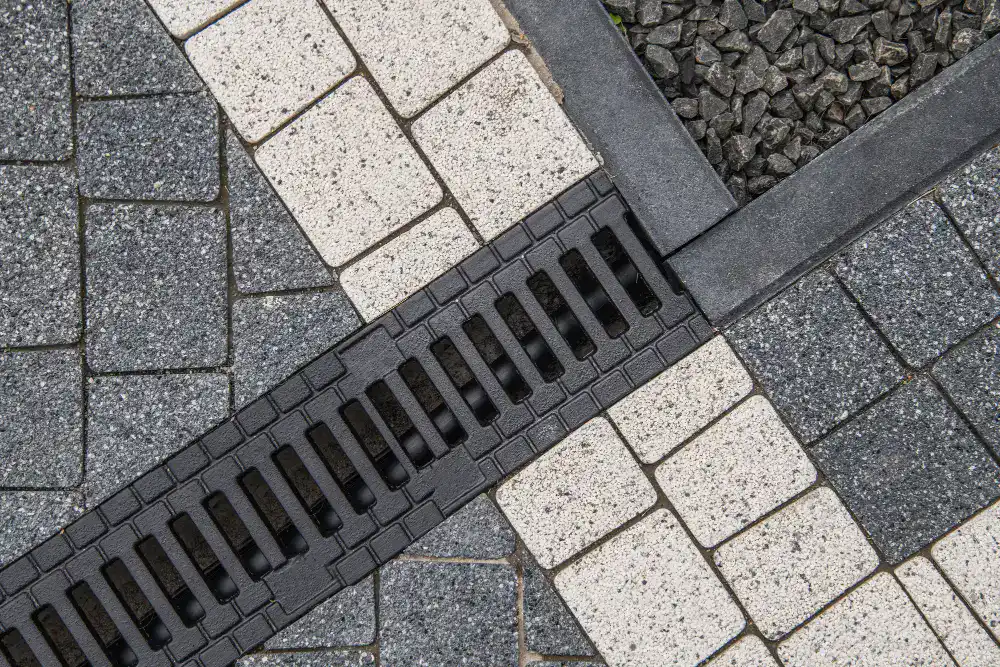
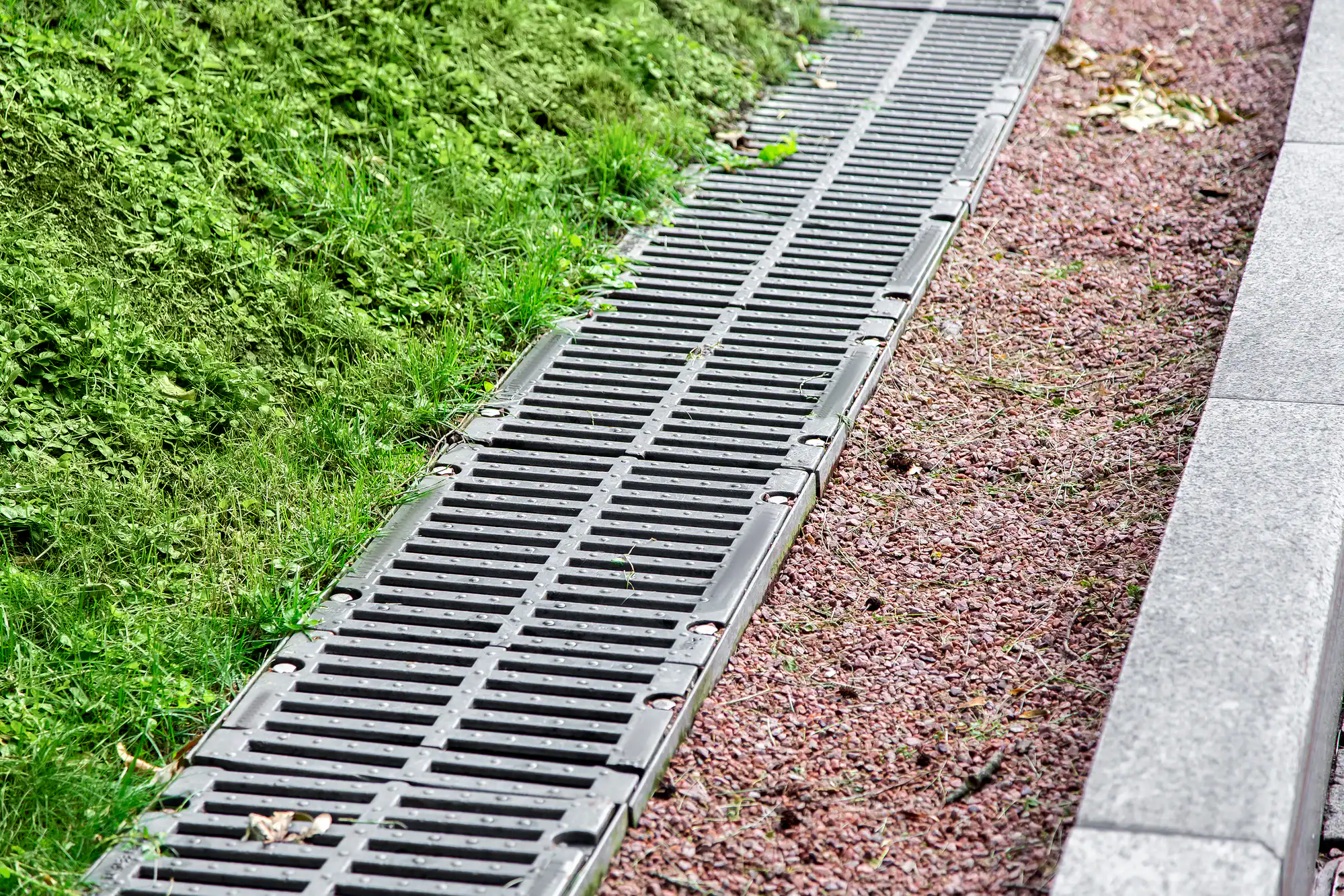
A French drain system does one thing really well: it moves water away from your foundation before that water can cause damage. The system uses a perforated pipe surrounded by gravel, installed in a trench around your foundation or in problem areas of your yard. When water saturates the soil, it flows into the gravel, enters the pipe, and gets directed away from your home.
The beauty is in the simplicity. Instead of letting water pool against your foundation walls—where it creates pressure, seeps into basements, and eventually causes cracks—the drain intercepts it first. Think of it as creating an easier path for water to follow, one that leads away from your house instead of into it.
If you live in Guilford County, you’re dealing with clay soil. That’s not a minor detail. Clay acts like a sponge that gets full and then stops absorbing. When it rains, the clay around your foundation swells—sometimes expanding by 10% or more. During dry periods, it shrinks back down.
That constant expansion and contraction puts stress on your foundation. Cracks form. Walls shift. And once water finds a crack, it exploits it. Every storm makes it worse.
Here’s the other problem with clay: it doesn’t drain. Sandy soil lets water percolate through relatively quickly. Clay holds onto it. So after a heavy rain, you’re not just dealing with the water that fell today. You’re dealing with moisture that’s been sitting in the soil for days, sometimes weeks, slowly working its way toward your basement or crawl space.
A properly installed French drain system accounts for this. It’s designed to handle the specific drainage challenges that clay soil creates. The gravel provides a permeable layer that clay can’t offer. The pipe creates a collection point that moves water out faster than the soil ever could. And because the system works below ground level, it intercepts water before it even reaches your foundation walls.
This isn’t about managing a little surface water. It’s about controlling subsurface moisture that clay soil traps and holds against your home’s structure. Without a drainage system designed for these conditions, you’re essentially letting your foundation sit in a slowly saturating clay bath every time it rains.
The data is clear: North Carolina is getting wetter, and the rain is coming harder. 2018 set the state record for wettest year in 125 years of record-keeping. Between 2015 and 2018, the number of days with very heavy rain—defined as 3 inches or more in 24 hours—increased significantly.
Climate scientists say this trend will continue. Heavy rains from hurricanes and other weather systems are expected to become both more frequent and more intense. Annual precipitation is projected to increase. When it does rain, we’re seeing massive downpours that cause flooding and overwhelm drainage systems that weren’t designed for this volume of water.
What does this mean for your foundation? More water, more often, with less time for the soil to dry out between storms. Your foundation is under more pressure than it was designed to handle. Homes built 20 or 30 years ago were constructed based on historical rainfall data that no longer reflects current reality.
French drain installation has become a way to retrofit your home’s drainage for the climate we actually have now, not the one builders planned for decades ago. The system creates capacity to handle higher water volumes. It reduces the amount of time water sits against your foundation. And it gives that water somewhere to go other than into your basement.
This isn’t about overreacting to a few wet years. Rainfall patterns have fundamentally shifted. Homeowners who install professional drainage systems now are protecting their homes against conditions that are becoming the new normal. Those who wait are gambling that their foundations can handle stress they were never engineered to withstand.
The cost of installing a French drain system in Guilford County typically runs between $818 and $5,485, depending on the scope of work. Compare that to foundation repair costs, which can easily exceed $10,000 for significant damage. Or mold remediation after basement flooding. Or replacing belongings that got ruined in a flood. Professional drainage isn’t an expense. It’s insurance that actually prevents the claim.
Want live answers?
Connect with a Clean Air LLC expert for fast, friendly support.
You don’t have to wait for a flooded basement to know you need better drainage. There are warning signs that show up earlier, and catching them saves you money and stress.
Water pooling in your yard after rain, especially near your foundation, is the most obvious indicator. If you see standing water that takes more than 24 hours to disappear, your soil isn’t draining properly. Damp or musty smells in your basement or crawl space mean moisture is getting in. Cracks in your foundation walls or floor, even small ones, create entry points for water and suggest the soil around your foundation is shifting.
Basement flooding doesn’t usually happen all at once. It starts with dampness. A little moisture after heavy rain. A musty smell that comes and goes. Maybe some efflorescence—that white, chalky residue—on your basement walls.
Then one storm dumps more water than usual, and suddenly you’re dealing with standing water. By that point, the damage is already happening. Mold starts growing within 24 to 48 hours in damp conditions. Wood framing begins to rot. Drywall wicks up moisture and becomes a breeding ground for mildew.
French drain installation stops this progression before it starts. An exterior French drain system installed around your foundation’s perimeter intercepts groundwater before it can build up pressure against your basement walls. The water flows into the drain, gets channeled away from your home, and discharges at a safe distance—often to a storm drain, drainage ditch, or dry well.
For crawl spaces, the system works similarly but addresses different challenges. Crawl spaces are particularly vulnerable to moisture because they’re often unventilated and sit directly on the ground. Water vapor rises from the soil, humidity builds up, and before long you’ve got mold on your floor joists and insulation that’s falling apart.
A French drain system designed for crawl space protection typically includes a perforated pipe installed in a gravel bed around the crawl space perimeter. Some systems also incorporate interior drainage matting and a sump pump to handle water that collects inside the space. The goal is to keep the crawl space dry enough that mold can’t grow and wood stays structurally sound.
Here’s what matters: these systems work continuously, not just during storms. They manage the constant groundwater pressure that clay soil creates. They handle the moisture that seeps through foundation walls even when it’s not raining. And they do it passively, using gravity to move water where it needs to go.
The alternative is dealing with chronic moisture problems that never quite go away. Dehumidifiers running constantly. Mold remediation every few years. Gradual deterioration of your home’s structural components. French drain installation addresses the source of the problem instead of just managing the symptoms.
You can find French drain installation tutorials online that make it look straightforward. Dig a trench, add gravel, lay pipe, cover it up. In reality, professional installation involves details that determine whether your system works for three years or thirty.
Proper slope is critical. The drain needs to fall at least 1% grade—one inch of drop for every eight feet of length—to ensure water flows by gravity. Too shallow and water sits in the pipe. Too steep and you’re wasting depth and potentially creating erosion issues at the discharge point.
Pipe selection matters. Corrugated plastic pipe is cheap but can collapse under soil pressure or clog more easily. Rigid PVC lasts longer and maintains its shape. The perforations need to face down, not up, so water enters from the gravel bed rather than from surface runoff that carries sediment.
Geotextile fabric—often called filter fabric or landscape fabric—wraps around the gravel to prevent soil from migrating into the drain and clogging it. Not all fabric is created equal. It needs to be permeable enough to let water through but fine enough to block soil particles. Many DIY installations skip this step or use the wrong type of fabric, and the drain fails within a few years.
The discharge point requires planning. You can’t just dump water against your neighbor’s foundation or into the street without creating problems. Professional installers identify appropriate discharge locations, whether that’s a storm drain connection, a dry well, or a drainage swale that directs water away from structures.
For homes with high water tables or severe drainage issues, the system might include a sump pump. This adds complexity—you need a sump basin, proper pump sizing, a check valve to prevent backflow, and a discharge line that won’t freeze in winter. The pump needs a dedicated electrical circuit, ideally with battery backup for power outages during storms.
Excavation depth depends on your specific situation. Shallow curtain drains might only go down 12 to 18 inches for surface water management. Foundation drains typically need to reach the level of your footing, which could be four feet deep or more. The deeper you go, the more you need to worry about hitting utility lines, maintaining trench stability, and managing the excavated soil.
Professional installers handle permits, utility locates, and code compliance. We know local soil conditions and can adjust the design accordingly. We have the equipment to excavate efficiently and safely. And we warranty our work, which matters when you’re making a multi-thousand-dollar investment in your home’s infrastructure.
The difference between a properly installed French drain system and a DIY attempt often doesn’t show up for a year or two. Then you get a heavy storm, and you find out whether your drainage actually works when you need it most.
French drain installation has shifted from a solution for homes with existing water problems to a proactive measure for homeowners who understand where the climate is headed. More rain, more intense storms, more pressure on foundations that weren’t built for these conditions.
The question isn’t whether your home needs better drainage. It’s whether you address it before water damage forces your hand. Professional installation gives you a system that works for decades, handles the specific challenges of Guilford County’s clay soil, and protects your foundation from moisture that’s constantly working against it.
If you’re seeing warning signs—pooling water, damp basements, foundation cracks—or if you just want to protect your home before problems start, we can help. We’ve spent three decades solving drainage problems in this area, and we understand what works in North Carolina’s changing climate.
Summary:
Share: