
Contact Info
- Greensboro, NC 27406
- Call: 336-707-0498
- Text: 336-707-0498
-
Mon - Fri: 8am - 4pm
Sat - Sun: Closed
Contact Info
Every winter, Guilford County homeowners seal up their homes and unknowingly trap the very air that's making them feel worse. Here's the real reason why.
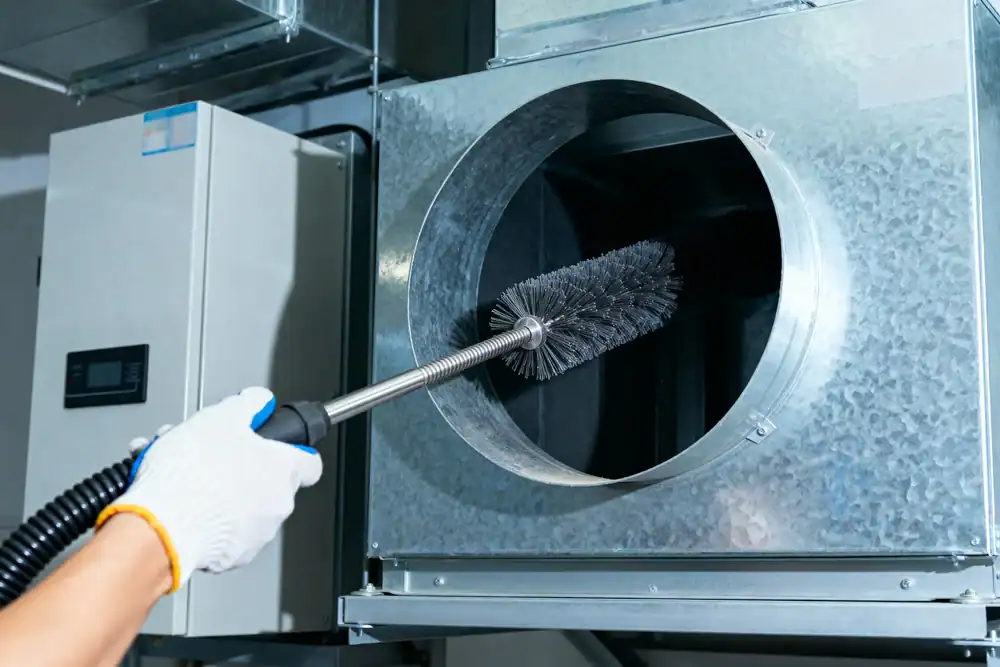
You close the windows, crank up the heat, and settle in for winter. It feels responsible — keeping the cold out, keeping energy costs down. But here’s what most people don’t realize: that same sealed-up house is quietly trapping everything you’ve been breathing all year. Dust, pet dander, mold spores, and whatever’s been sitting in your ductwork since last spring — it all stays in circulation, room after room, all winter long.
If you’ve noticed your allergies acting up indoors, a smell you can’t quite place, or air that just feels heavy and stale, you’re not imagining it. We’re going to walk you through what’s actually going on inside your Guilford County home and why winter makes it worse.
When your home is open in warmer months, fresh air moves through constantly. It dilutes pollutants, carries moisture out, and keeps things from building up. The moment you seal everything tight for winter, that natural exchange stops. Your HVAC system becomes the only thing moving air through the house — and it’s recirculating the same air, over and over, through the same ducts that may not have been cleaned in years.
The EPA has noted that indoor concentrations of some pollutants run two to five times higher than outdoor levels. In winter, when homes are closed and heating systems run constantly, that gap widens. It’s not that winter air is uniquely dirty — it’s that you’ve removed the one thing keeping it in check.

There’s a moment most Guilford County homeowners recognize — that first cool night in October or November when you flip the heat on and get a wave of something musty or dusty blowing through the house. Most people chalk it up to “the system burning off dust” and move on. But that smell is actually a diagnostic signal worth paying attention to.
Your heating system sits dormant for months during spring and summer. During that time, dust, mold spores, pollen, and debris settle into the ductwork. When the system fires up again, it doesn’t just warm your home — it pushes everything that accumulated over the past several months into every room in the first few heating cycles.
If your ducts haven’t been cleaned in a while, that first run of the season is essentially a whole-house distribution event for whatever’s been collecting since last winter. This is especially relevant in Greensboro, High Point, and the surrounding Guilford County area, where spring and summer bring significant pollen loads and humidity levels that regularly climb past 70 percent. Mold spores thrive in those conditions.
By the time fall arrives, a neglected duct system can be carrying a meaningful amount of biological material — and your sealed winter home gives it nowhere to go except back through the vents. The fix isn’t complicated, but it does require more than swapping your filter. Filters capture what passes through them. They don’t clean the duct walls, the air handler, or the components where contaminants actually accumulate. A filter change is maintenance. Cleaning the system is a different job entirely.
Here’s where the picture gets more specific to Guilford County — and where most homeowners are genuinely surprised.
A large portion of the homes in Greensboro, High Point, and the surrounding area were built with vented crawl spaces. The original thinking was sound enough: let outdoor air circulate under the house to keep moisture from building up. The problem is that in Piedmont North Carolina’s climate, this logic works against you. When outdoor air in July or August is sitting at 80 to 90 percent humidity, venting it into your crawl space doesn’t dry things out — it makes them wetter.
Guilford County receives around 45 inches of rain annually. The clay soil common throughout the region holds moisture rather than draining it. Older homes in neighborhoods like Sunset Hills, Westerwood, and Lindley Park often lack modern moisture control systems, which means their crawl spaces are working against indoor air quality year-round — not just in summer.
The mechanism is called the stack effect. Warm air rises through a house naturally, and as it does, it pulls air upward from below. In a home with a damp or moldy crawl space, that means crawl space air — carrying moisture, mold spores, and musty odors — gets drawn up into the living space continuously. In winter, when the house is sealed and the HVAC runs constantly, that process accelerates.
If you’ve noticed a persistent musty smell that no amount of cleaning upstairs seems to fix, the source is almost certainly below the floor — not in the living space itself. Older homes in the Fisher Park area, textile mill conversions, and bungalows throughout Greensboro’s historic neighborhoods are particularly prone to this pattern because of their construction era and the way their crawl spaces were designed. The smell isn’t a housekeeping problem. It’s a structural one.
Want live answers?
Connect with a Clean Air LLC expert for fast, friendly support.
The tricky thing about poor indoor air quality is that its symptoms look a lot like a dozen other things. Headaches, fatigue, dry throat, sinus congestion, eye irritation — these get attributed to colds, stress, seasonal changes, or just getting older. But when they show up consistently at home and ease up when you leave, the pattern is worth examining.
People who spend the most time indoors — young children, older adults, and anyone with asthma, allergies, or cardiovascular conditions — tend to feel the effects first and most acutely. If someone in your household seems to have a perpetual cold that never quite develops into anything, or wakes up congested every morning, it’s worth asking whether the air in your home is part of the equation.
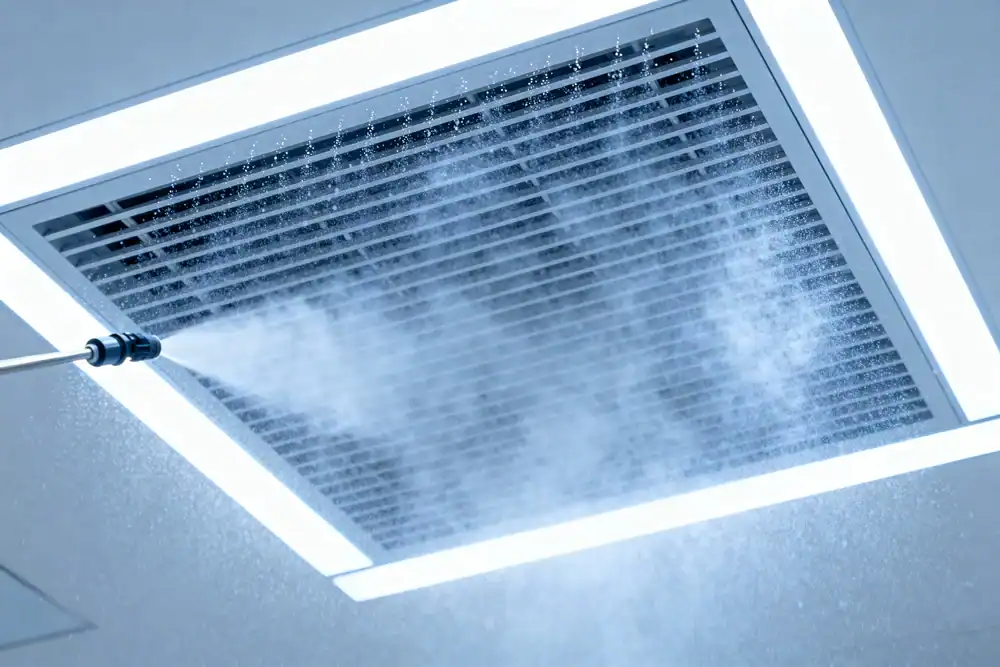
A few patterns tend to show up consistently in homes with indoor air quality issues, and they’re worth knowing because they’re easy to dismiss individually but meaningful when they appear together.
Dust that comes back fast — faster than it should — is one of the most common signals. If you dust a surface and it’s visibly dirty again within a day or two, your HVAC system is likely redistributing particulates rather than filtering them. This often means the filter is overloaded, the ductwork is dirty, or both.
Uneven heating between rooms is another one. When airflow through a duct system is restricted by buildup, some rooms get less air than others. Homeowners often assume this is a system problem or a thermostat issue, but it can simply be a matter of obstructed ducts.
Lingering odors that don’t respond to cleaning or air fresheners are particularly telling. A musty smell that persists despite surface cleaning almost always has a source that surface cleaning can’t reach — ductwork, crawl space, or both. The same goes for odors that seem to come from the vents when the heat runs.
Finally, if you find yourself replacing your HVAC filter more frequently than the manufacturer recommends — or if a new filter looks grey within weeks — that’s a sign the system is working against a higher-than-normal particulate load. In Guilford County homes with older ductwork or connected crawl spaces, this is more common than most people realize.
None of these symptoms in isolation means you have a serious problem. But together, especially in winter when the house is sealed and the system runs constantly, they paint a clear picture of an air quality issue that’s worth addressing.
There’s no shortage of advice on this topic, and a lot of it is genuinely useful. Keep humidity between 30 and 50 percent — a simple hygrometer will tell you where you stand. Replace your HVAC filter regularly, and if it looks grey before the replacement window, don’t wait. Make sure combustion appliances like gas stoves and fireplaces are properly vented. These are real steps that make a real difference.
But for Guilford County homeowners — particularly those in older homes with vented crawl spaces — the DIY steps have a ceiling. You can manage surface-level air quality, but if your ductwork hasn’t been professionally cleaned in years, or if your crawl space is actively contributing moisture and mold spores to your indoor air, the root cause stays in place.
Professional duct cleaning, done properly, is a systematic process. It’s not a quick blow-through. It uses negative pressure to place the entire HVAC system under continuous suction while agitation tools dislodge contaminants from duct walls — and a HEPA-filtered vacuum captures everything rather than recirculating it. The difference between that and a filter change is the difference between treating symptoms and addressing the source.
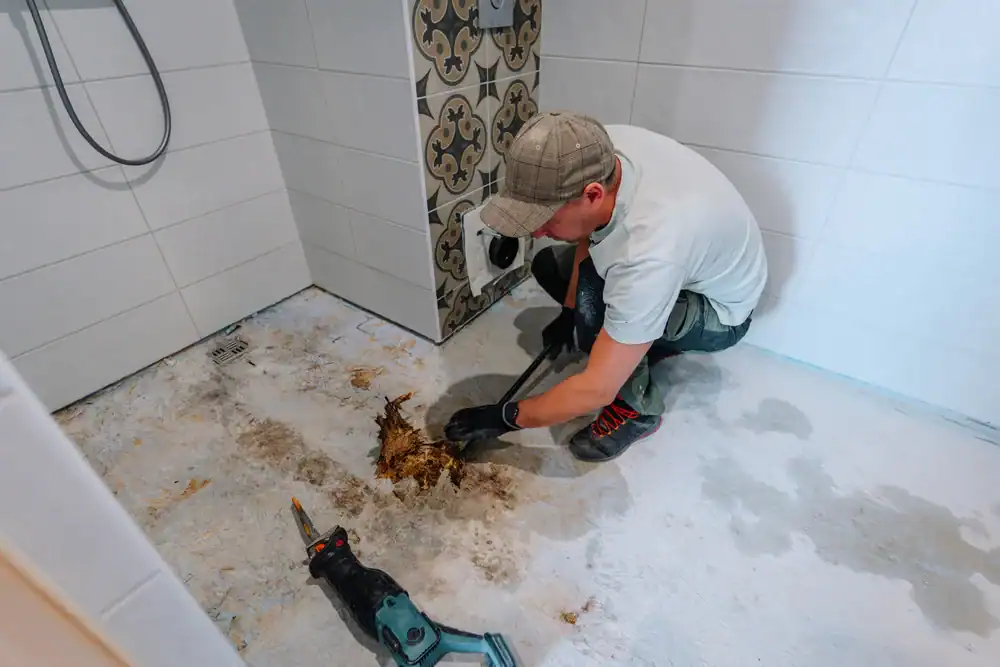
For homes with crawl space issues, encapsulation and dehumidification work together to cut off the moisture supply that feeds mold growth. When that moisture pathway is closed, the stack effect stops pulling contaminated air into the living space. Homeowners who’ve had both their ductwork cleaned and their crawl space addressed consistently report that the musty smell disappears — not because they masked it, but because the source is gone.
Air quality testing is also worth considering if you’re not sure what you’re dealing with. Knowing what’s actually in your air — whether it’s mold spores, particulates, VOCs, or something else — lets you make decisions based on what’s there rather than what you suspect. It’s a straightforward starting point that removes the guesswork.
Winter doesn’t create indoor air quality problems from scratch — it reveals and concentrates the ones that were already there. The sealed home, the constantly running HVAC, the dormant crawl space that’s been accumulating moisture since summer: all of it comes together in the coldest months when you’re spending the most time inside.
If any of what’s described here sounds familiar — the musty smell, the dusty vents, the family member who always seems to be fighting something — it’s worth getting a clear picture of what’s actually happening in your home before writing it off as seasonal.
We’ve been helping Guilford County families work through exactly these issues since the early 1990s. If you want to know what’s in your ducts or under your floors, the first step is a free inspection — no commitment, just answers. Reach out to Clean Air LLC and we’ll take a look.
Summary:

Share: