
Contact Info
- Greensboro, NC 27406
- Call: 336-707-0498
- Text: 336-707-0498
-
Mon - Fri: 8am - 4pm
Sat - Sun: Closed
Contact Info
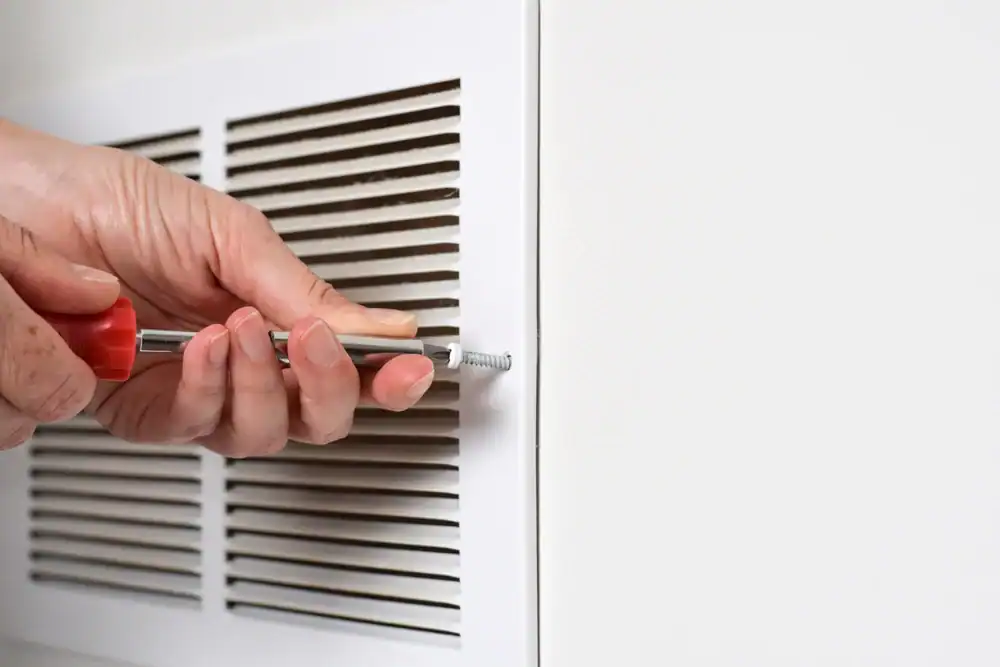
Your AC unit just stopped working in the middle of a North Carolina summer. You’re sweating, your family’s uncomfortable, and you’re staring at a potential $5,000 to $15,000 replacement bill. The first question that hits you: will my homeowners insurance cover this?
The answer isn’t always straightforward. Whether your insurance pays for AC replacement depends on what caused the damage, how the work gets done, and whether you have the right documentation. Get it wrong, and you could face a denied claim and thousands in out-of-pocket costs. Get it right, and your policy might cover the full replacement.
Here’s what Guilford County homeowners need to know about insurance coverage for AC units—and why working with properly licensed contractors matters more than you think.
Your homeowners insurance policy treats your central AC unit as part of your home’s structure. That means it falls under dwelling coverage—the same protection that covers your roof, walls, and electrical systems. But there’s a catch.
Insurance only covers damage from what the industry calls “covered perils.” Think sudden, accidental events: a lightning strike fries your compressor, a fallen tree crushes your outdoor unit, or a house fire destroys your HVAC system. In these scenarios, your policy should cover repairs or replacement, minus your deductible.
What insurance doesn’t cover is the slow march of time. If your 15-year-old AC unit finally gives out from normal wear and tear, your insurance company won’t write you a check. Same goes for breakdowns caused by skipped maintenance or age-related mechanical failures. Insurance companies view these as homeowner responsibilities, not insurable events.
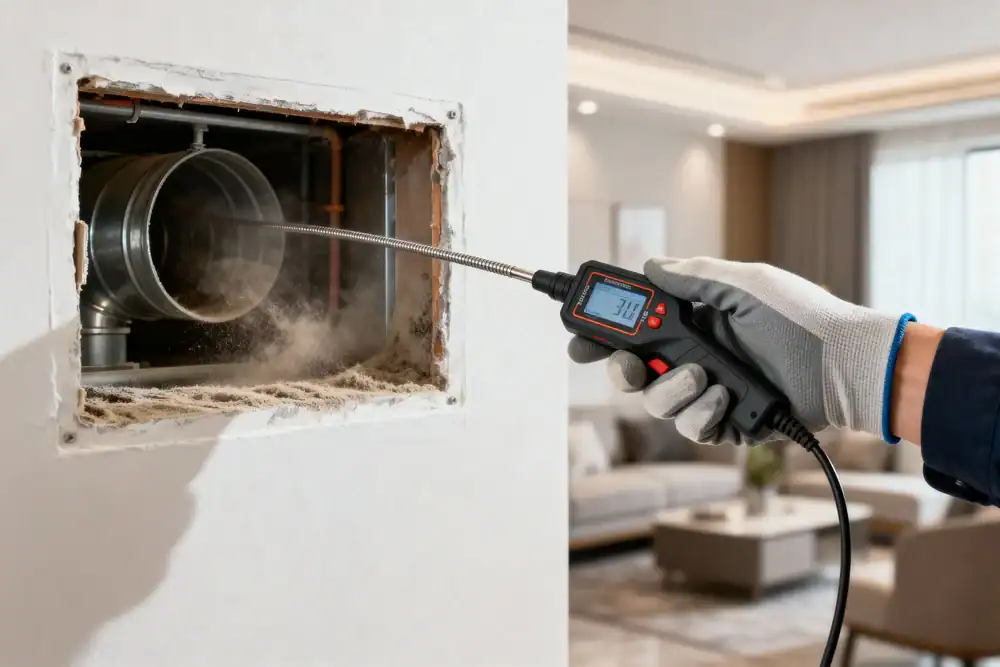
The difference between a covered claim and a denied claim often comes down to cause. Homeowners insurance policies in North Carolina typically cover AC damage from fire, lightning strikes, windstorms, hail, theft, and vandalism. These are sudden, unexpected events you couldn’t prevent.
Let’s say a summer thunderstorm rolls through Guilford County and lightning hits your home, surging through your electrical system and frying your AC unit’s control board. That’s a covered peril. Your insurance should pay to repair or replace the damaged components. Or if someone steals your outdoor condenser unit—which happens more often than you’d think—your policy should cover replacement.
But here’s where homeowners get tripped up: water damage. If your AC unit develops a leak that damages your ceiling or floors, coverage depends on whether the leak was sudden or gradual. A burst pipe in your HVAC system that floods your home overnight? Likely covered. A slow drip you ignored for months that rotted your drywall? Probably not.
Flooding from external sources creates another complication. Standard homeowners insurance doesn’t cover flood damage—you need a separate flood insurance policy for that. So if rising water from a storm damages your AC unit, your regular policy won’t help. This matters in areas of Guilford County that experience heavy seasonal rainfall.
The key question your insurance adjuster will ask: was this sudden and accidental, or was it preventable? Document everything. Take photos. Get a licensed HVAC technician to assess the damage and provide a written report explaining what happened. This documentation becomes critical when you file your claim.
Insurance companies draw a hard line between sudden damage and gradual deterioration. Your AC unit has a lifespan—typically 10 to 15 years in North Carolina’s climate. When components wear out from normal use, that’s considered a maintenance issue, not an insurance claim.
Think about it from the insurer’s perspective: they’re protecting you from unexpected disasters, not from the predictable aging of your home’s systems. If policies covered every AC unit that died of old age, premiums would be unaffordable for everyone. That’s why your policy excludes normal wear and tear, lack of maintenance, and mechanical breakdowns not caused by a covered peril.
This is where homeowners sometimes feel frustrated. Your AC unit stops cooling, and a technician tells you the compressor failed. That’s a $1,500 to $3,000 repair. You call your insurance company, and they ask: what caused the failure? If the answer is “it’s 12 years old and the compressor wore out,” your claim gets denied.
The same applies to maintenance-related failures. If your AC stops working because you never changed the filters, never scheduled annual tune-ups, and let the system run itself into the ground, your insurance won’t bail you out. Insurers expect you to maintain your home’s systems. Neglect isn’t covered.
Here’s what this means practically: keep maintenance records. Save receipts from annual HVAC service calls. Document that you’ve been a responsible homeowner. If your AC does fail from a covered peril, these records prove the system was well-maintained and the damage wasn’t from neglect. Insurance adjusters look at this during claims investigations.
Some homeowners consider equipment breakdown coverage—an optional endorsement you can add to your policy. This covers mechanical and electrical failures that standard policies exclude. It’s not cheap, but it fills the gap between standard coverage and wear-and-tear exclusions. Talk to your insurance agent about whether this makes sense for your situation.
Want live answers?
Connect with a Clean Air LLC expert for fast, friendly support.
Here’s something most Guilford County homeowners don’t realize until it’s too late: unpermitted HVAC work can void your insurance coverage. If you hire an unlicensed contractor who skips pulling permits, and that work later causes damage, your insurance company can deny your claim entirely.
North Carolina requires HVAC contractors to hold proper state licensing. In Greensboro, contractors also need a $2,000 surety bond. These aren’t just bureaucratic hoops—they’re consumer protections. Licensed contractors know building codes, safety standards, and proper installation procedures. They pull permits and schedule inspections to verify work meets code.
When you skip this process to save money, you’re taking on massive risk. Insurance policies often include clauses stating that work must meet professional and code-compliant standards. If your AC installation doesn’t meet those standards and causes damage—say, an electrical fire from faulty wiring or a refrigerant leak from improper connections—your insurer can deny the claim based on negligence.
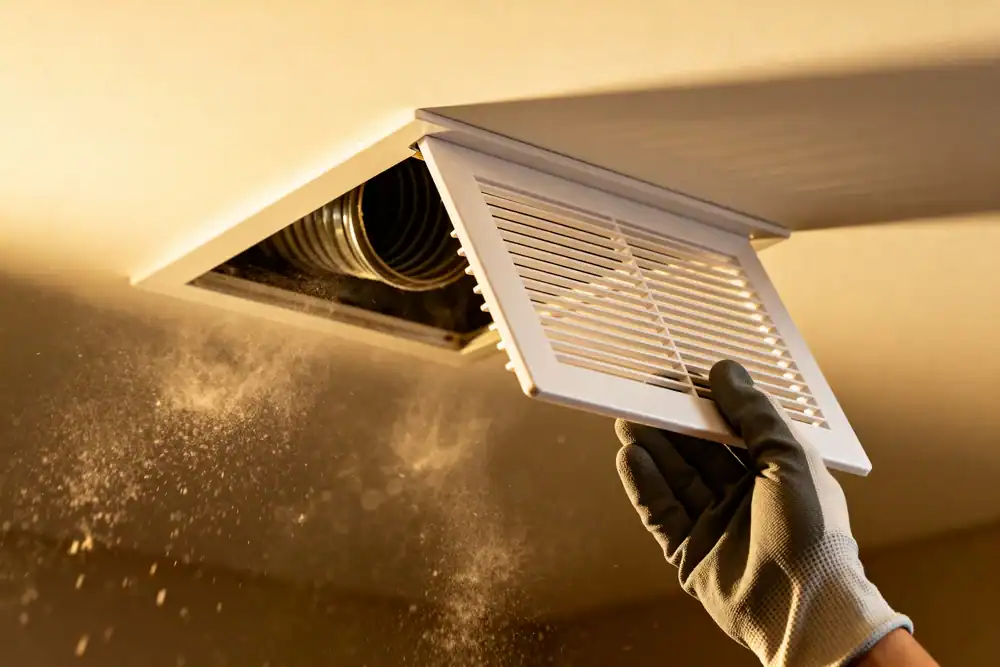
North Carolina law requires HVAC contractors to have proper licensing before performing installation, maintenance, or repair work. For AC work specifically, contractors need either a refrigeration contractor license or a heating and cooling license, depending on the type of system. These licenses require 4,000 hours of documented experience—roughly two years of full-time work.
Why does this matter for your insurance? Because insurance companies expect work to be performed by qualified professionals. When you file a claim related to your AC unit, adjusters investigate. They’ll ask who installed it, who maintains it, and whether the work was permitted. If they discover unlicensed work, they have grounds to deny your claim.
Manufacturers add another layer to this. Most AC equipment warranties require installation by licensed contractors. If your compressor fails at three years old and should be covered under warranty, the manufacturer can deny your claim if they find the unit was installed by an unlicensed technician. You lose both your warranty and your insurance protection.
Guilford County homeowners also need to think about permits. Major HVAC work—installations, replacements, and significant repairs—requires building permits. These permits trigger inspections that verify the work meets electrical codes, refrigerant handling regulations, and safety standards. Skip the permit, and you’re gambling with your insurance coverage.
Here’s a real scenario: you hire a “handyman” to replace your AC unit for $2,000 less than licensed contractors quoted. He doesn’t pull a permit. Two years later, faulty electrical work from that installation causes a fire. Your insurance investigates and discovers the unpermitted work. They deny your claim for the fire damage—potentially tens of thousands of dollars—because the work didn’t meet code requirements. You saved $2,000 upfront and lost everything.
The safest approach: only hire licensed, insured contractors who pull proper permits. Yes, it costs more. But that cost buys you insurance protection, warranty coverage, and peace of mind. Ask contractors for their license numbers and verify them with the North Carolina State Board of Examiners of Plumbing, Heating, and Fire Sprinkler Contractors. Check that they’re BBB accredited. Confirm they’ll pull permits and schedule inspections.
Filing an insurance claim for AC damage requires more than just calling your insurer and saying your unit broke. You need documentation that proves what happened, establishes the value of your system, and demonstrates you maintained it properly. Missing any of these pieces can delay or derail your claim.
Start with photos and videos. As soon as you discover damage, document it thoroughly. Take pictures of your AC unit from multiple angles showing the damage. If a storm knocked a tree onto your outdoor unit, photograph the tree, the damage to the unit, and the surrounding area. If you smell burning or see scorch marks from an electrical issue, capture that. Visual evidence is powerful when adjusters evaluate claims.
Next, get a professional assessment. Contact a licensed HVAC contractor to inspect the damage and provide a written estimate. This report should explain what’s damaged, what caused it, and how much repairs or replacement will cost. Insurance companies trust assessments from licensed professionals more than homeowner descriptions. The contractor’s report becomes a key piece of your claim documentation.
You’ll also need information about your AC unit itself: make, model, serial number, and installation date. This helps the insurance company determine the unit’s value and whether it should be replaced or repaired. If you have the original purchase receipt or installation invoice, include that. It establishes what you paid and proves the system’s age.
Maintenance records matter more than most homeowners realize. Insurance adjusters look for evidence that you properly maintained your AC unit. Annual service receipts, filter replacement records, and repair invoices show you weren’t negligent. If your claim gets denied because the adjuster suspects lack of maintenance caused the failure, these records can overturn that denial.
When you contact your insurance company, have your policy number ready and report the damage promptly. Most policies have time limits for filing claims. Waiting too long can jeopardize your coverage. Ask your insurer about their claims process—some allow online filing, others require phone calls or in-person meetings.
The insurance company will likely send an adjuster to inspect the damage. Be present during this inspection if possible. Walk them through what happened, show them your documentation, and answer their questions honestly. The adjuster’s report determines whether your claim gets approved and for how much.
If your claim gets approved, you’ll typically receive payment based on your policy type. Actual cash value policies pay the depreciated value of your AC unit. Replacement cost coverage pays to replace it with a comparable new unit, though you may need to submit receipts after replacement to receive full payment. Understand which type of coverage you have before filing.
One more critical point: don’t start repairs until your insurance company approves them, unless you’re preventing further damage. If you replace your AC unit before the adjuster sees it, you might forfeit your ability to prove what was damaged and why. Get approval first, then proceed with licensed contractors who can provide proper documentation for your insurer.
Understanding when home insurance covers AC unit replacement comes down to three things: the cause of damage, the quality of your documentation, and whether you used properly licensed contractors. Sudden damage from covered perils like fire, lightning, or storms should be covered. Gradual wear, neglect, and unpermitted work won’t be.
The smartest protection is prevention. Work with licensed, certified contractors who pull permits and provide proper documentation. Keep maintenance records. Know what your policy covers before you need to file a claim. And if damage does occur, document everything and act quickly.
For Guilford County homeowners who want to ensure their HVAC work meets insurance requirements and protects their coverage, we offer NADCA-certified service backed by BBB accreditation and over 30 years of local experience. Our licensed technicians understand North Carolina’s requirements and provide the professional documentation that keeps your insurance protection intact.
Summary:

Share: