

Contact Info
- Greensboro, NC 27406
- Call: 336-707-0498
- Text: 336-707-0498
-
Mon - Fri: 8am - 4pm
Sat - Sun: Closed
Contact Info
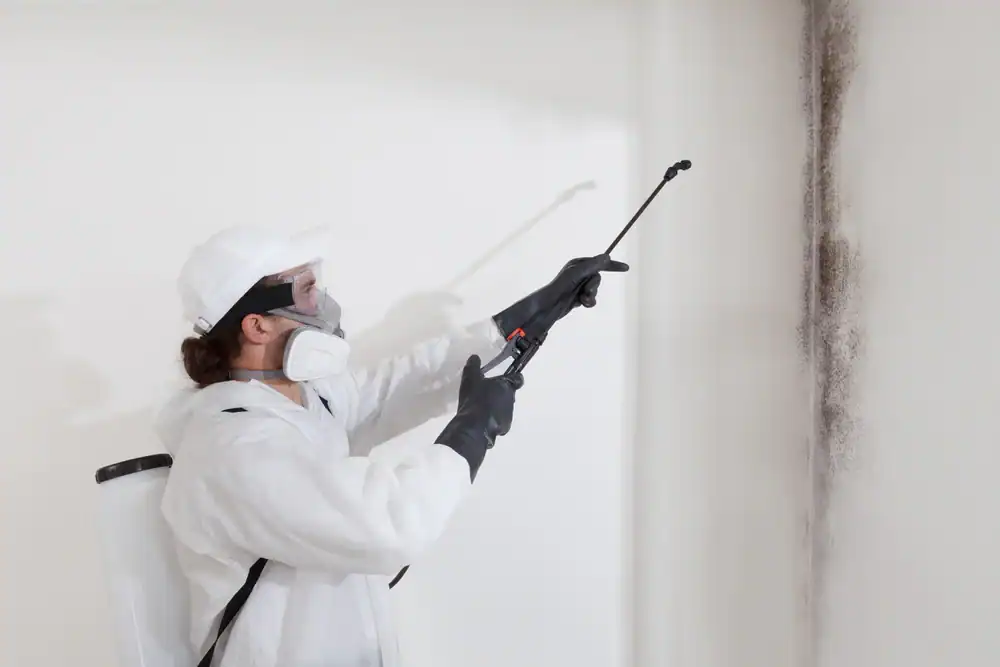
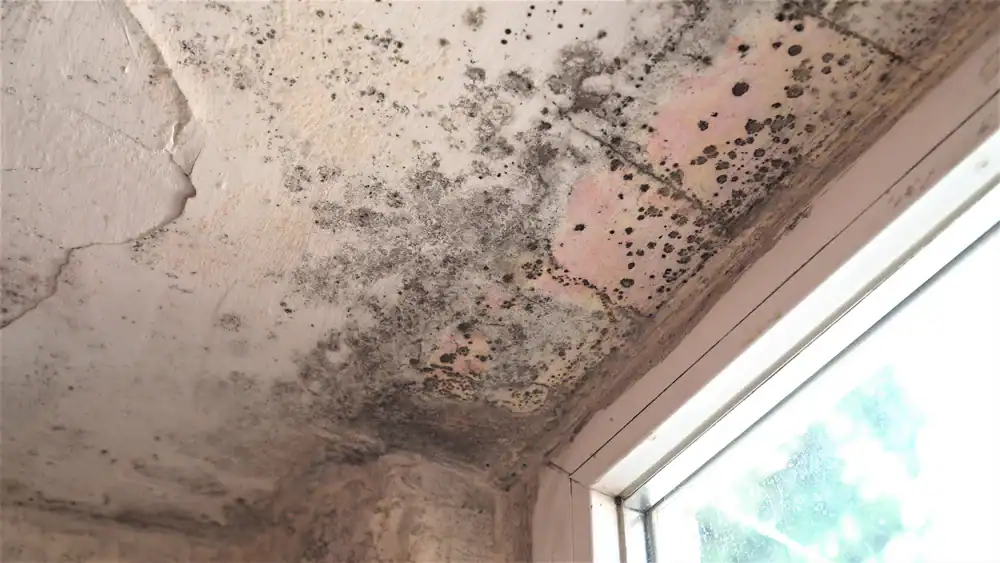
You’ve probably noticed the musty smell. Maybe you’ve seen dark spots in your crawl space or around your HVAC vents. Or maybe someone in your house has been coughing more, dealing with allergies that won’t quit, or complaining about headaches that seem worse at home.
That’s mold talking. And in Florence, with our lakes and humidity hovering around 70% most of the year, it’s not going away on its own.
Here’s what changes after professional mold remediation services: the air in your home actually smells clean. Your family stops dealing with respiratory issues that flare up indoors. Your floors stop feeling soft or uneven because the structural damage stops progressing. And you’re not lying awake wondering if that dark patch is spreading behind your walls.
Mold removal isn’t just about scrubbing visible spots. It’s about eliminating the source, controlling moisture, and making sure your crawl space or ductwork isn’t feeding mold spores into every room. When it’s done right, you’re not just treating symptoms—you’re solving the problem.
We’ve spent over 30 years helping homeowners and businesses in Florence deal with what our humid climate does to buildings. We’re not a national franchise that showed up last year. We know how moisture behaves here, what it does to crawl spaces, and why your HVAC system might be making things worse instead of better.
We’ve seen what happens when mold gets ignored. Floors that sag. Ducts that spread spores into every bedroom. Families that don’t connect their health issues to what’s growing under their house. That’s why we focus on indoor air quality as a whole, not just the visible mold.
You’re not getting a sales pitch from us. You’re getting a straight answer about what’s happening in your home and what it takes to fix it. If you’ve been Googling “mold removal near me” and dreading the calls, we get it. Most people wait because they’re not sure who to trust. We’ve been here long enough that our work speaks for itself.
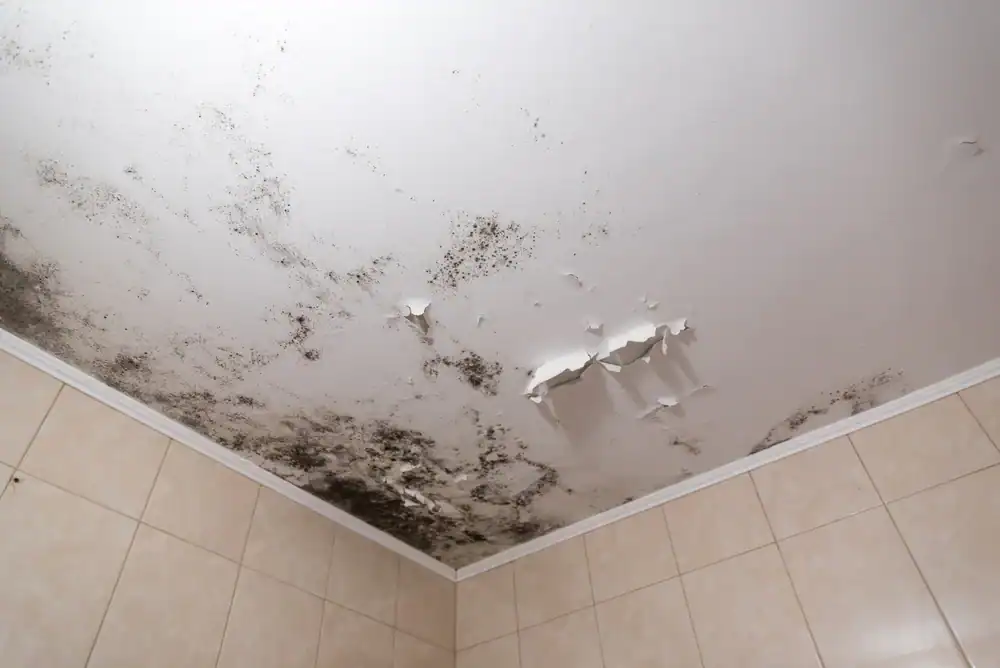
First, we inspect your property to find where the mold is actually growing—not just where you can see it. That means checking your crawl space, your ductwork, around windows, and anywhere moisture tends to collect. We’re looking for the source, not just the symptoms.
Once we know what we’re dealing with, we contain the affected area so mold spores don’t spread during removal. Then we remove contaminated materials, treat surfaces with antimicrobial solutions, and clean your HVAC ducts if needed. This isn’t a spray-and-pray situation. We’re removing what’s there and treating what stays.
After the black mold removal is complete, we address why it grew in the first place. That usually means controlling moisture through crawl space encapsulation, improving ventilation, or fixing drainage issues. If we don’t solve the moisture problem, you’ll be dealing with mold again in six months.
The timeline depends on how widespread the issue is, but most residential jobs are done in days, not weeks. You’ll know what to expect before we start, and we’ll walk you through what we find as we go. No surprises, no upselling—just clear communication about what your home needs.
Ready to get started?
When you hire us for mold remediation, you’re getting a full assessment of your indoor air quality, not just a surface cleaning. We test for mold, identify moisture sources, and give you a clear picture of what’s happening in your home.
Our mold abatement services include complete removal of contaminated materials, HVAC duct cleaning to stop spores from circulating, and crawl space treatment to eliminate the damp conditions mold loves. We use commercial-grade equipment and antimicrobial treatments that actually work—not hardware store sprays that just bleach the surface.
Florence’s location among multiple lakes means your crawl space is constantly fighting humidity. That’s why we don’t just remove mold and leave. We recommend moisture control solutions like encapsulation, dehumidification, or drainage improvements. You’re not required to do any of it, but we’ll tell you what’s going to keep mold from coming back.
You also get documentation of the work we’ve done, which matters if you’re selling your home or dealing with insurance. And you get honest answers about whether you need extensive work or if the problem is smaller than you feared. We’ve turned down jobs because the homeowner could handle it themselves. That’s not good business, but it’s the right thing to do.
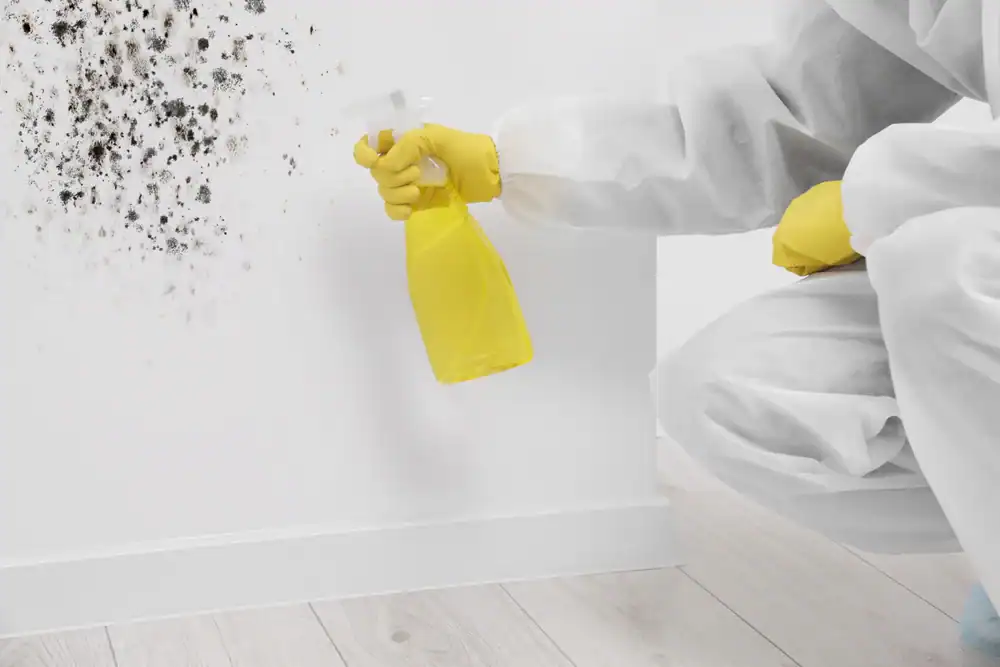
Most mold removal projects in Florence run between $1,500 and $3,500, but that range shifts depending on how much mold you’re dealing with and where it’s growing. A small patch in a bathroom costs a lot less than extensive contamination in your crawl space and ductwork.
Here’s what affects the price: the size of the affected area, whether we need to remove materials like drywall or insulation, how accessible the mold is, and whether you need moisture control work to prevent it from returning. Crawl space mold remediation often costs more because we’re working in tight, difficult spaces and usually recommending encapsulation to solve the underlying humidity problem.
We give you a clear estimate after the inspection. No hidden fees, no surprise charges. You’ll know what the work costs and why before we start. And if you’re comparing quotes, make sure you’re comparing the same scope of work—some companies quote low and then add charges once they’re in your home.
Most residential mold removal jobs in Florence take two to five days from start to finish. That’s significantly faster than the weeks or months some national companies quote, and it’s because we focus exclusively on indoor air quality work—we’re not juggling ten different types of projects.
The timeline depends on how widespread the mold is and what’s causing it. A contained area in one room might be done in a day or two. Extensive crawl space contamination with structural repairs and encapsulation takes longer. We’ll give you a realistic timeframe during the inspection.
You usually don’t need to leave your home during the work, though we’ll contain the work area to prevent spores from spreading. If the contamination is severe or you have family members with respiratory issues, we might recommend staying elsewhere for a day or two. We’ll be straight with you about what makes sense for your situation.
Mold removal means getting rid of visible mold growth. Mold remediation means removing the mold and fixing whatever caused it to grow in the first place. One is a temporary fix. The other is an actual solution.
You can remove mold from a surface, but if you don’t address the moisture problem, you’re just buying yourself a few months before it comes back. That’s why we focus on remediation—we’re not just cleaning what you can see. We’re controlling humidity, improving ventilation, sealing crawl spaces, and eliminating the conditions that let mold thrive.
In Florence’s climate, this distinction matters even more. Our humidity levels stay high year-round, so surface treatments don’t hold up. You need moisture control, proper ventilation, and sometimes structural repairs to keep mold from returning. That’s what separates a professional mold mitigation company from someone with a spray bottle and a shop vac.
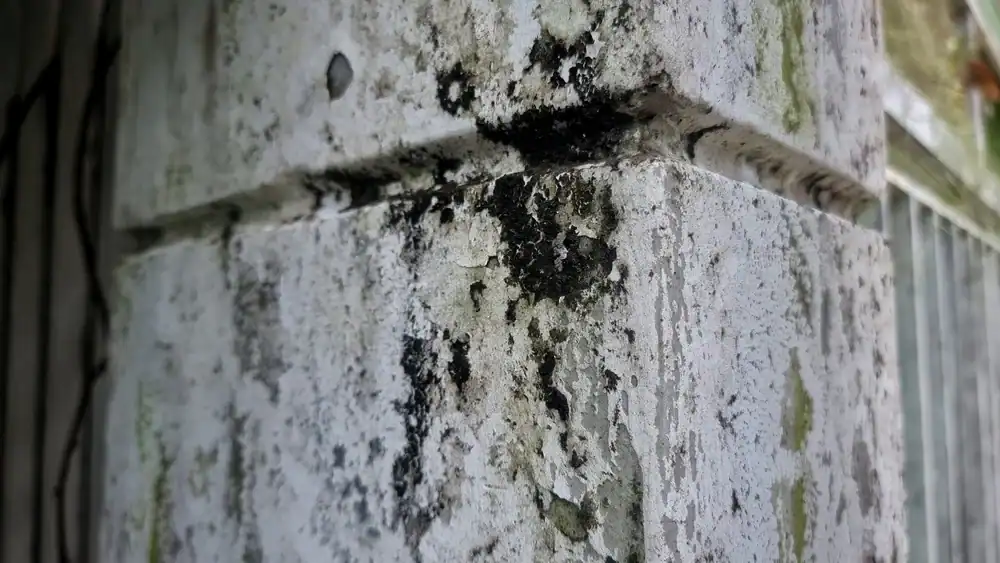
Black mold—specifically Stachybotrys chartarum—can cause serious health problems, especially for people with asthma, allergies, or compromised immune systems. But not all black-colored mold is the dangerous kind, and not all dangerous mold is black.
What matters more than the color is your exposure level and your health. Mold releases spores and mycotoxins that irritate your lungs, throat, and eyes. Long-term exposure can trigger asthma attacks, cause persistent coughing, and create respiratory issues that don’t go away until the mold is gone. Kids and elderly family members are especially vulnerable.
If you’re seeing mold growth in your home, don’t wait around trying to identify the species. Get it tested and removed by certified mold remediators who know how to handle it safely. The health risks aren’t worth gambling on, and the structural damage mold causes gets worse the longer you wait. We test what we find so you know exactly what you’re dealing with.
Small surface mold—like a little patch on a bathroom tile—you can probably handle yourself with the right cleaner and some elbow grease. But if you’re seeing mold in your crawl space, in your HVAC system, or covering more than a few square feet anywhere, you need professional help.
Here’s why: disturbing mold releases thousands of spores into the air, and without proper containment, you’re spreading the problem to other parts of your home. You also need to identify and fix the moisture source, which usually requires experience with building science and humidity control. And if mold has damaged structural materials, you need to know what to remove and what can be safely treated.
DIY mold removal also puts you at risk if you’re not wearing proper respiratory protection and handling contaminated materials correctly. We see homeowners make the problem worse by trying to save money upfront, then spending more to fix the spread and the health issues that follow. If you’re unsure whether you can handle it, call us for an inspection. We’ll tell you honestly if it’s something you can tackle or if you need professional mold cleanup.
The most obvious sign is a musty, earthy smell that gets stronger near your floors or when your HVAC runs. That smell is mold releasing volatile organic compounds, and it means you’ve got growth somewhere even if you can’t see it yet.
Other signs include visible mold on floor joists or insulation when you look into your crawl space, increased allergy symptoms or respiratory issues that get worse at home, higher humidity levels inside your house, and floors that feel soft or uneven. You might also notice your energy bills creeping up, because humid air is harder to cool and mold-damaged insulation doesn’t work as well.
Florence’s humidity makes crawl space mold extremely common. The warm, moist air condenses on cooler surfaces under your house, creating perfect conditions for growth. If your crawl space isn’t encapsulated or properly ventilated, you’re fighting a losing battle. The best move is getting an inspection so you know what you’re dealing with before the problem spreads into your ductwork or causes structural damage.