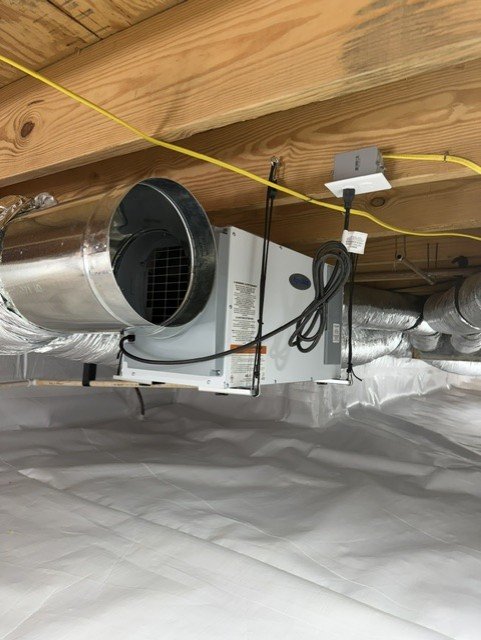
Air Duct Cleaning
Professional air duct and HVAC system cleaning to improve indoor air quality and home comfort.
Explore Air Duct Cleaning
Greensboro's trusted experts in crawlspace encapsulation, mold removal, moisture control, and indoor air quality — protecting your home and your family's health from the ground up.
From vapor barrier installation to full crawlspace encapsulation and moisture control, we help you protect your home's foundation and air quality without pressure or guesswork.
Professional air duct and HVAC system cleaning to improve indoor air quality and home comfort.
Mold removal, testing, and prevention services to protect your home and family health.
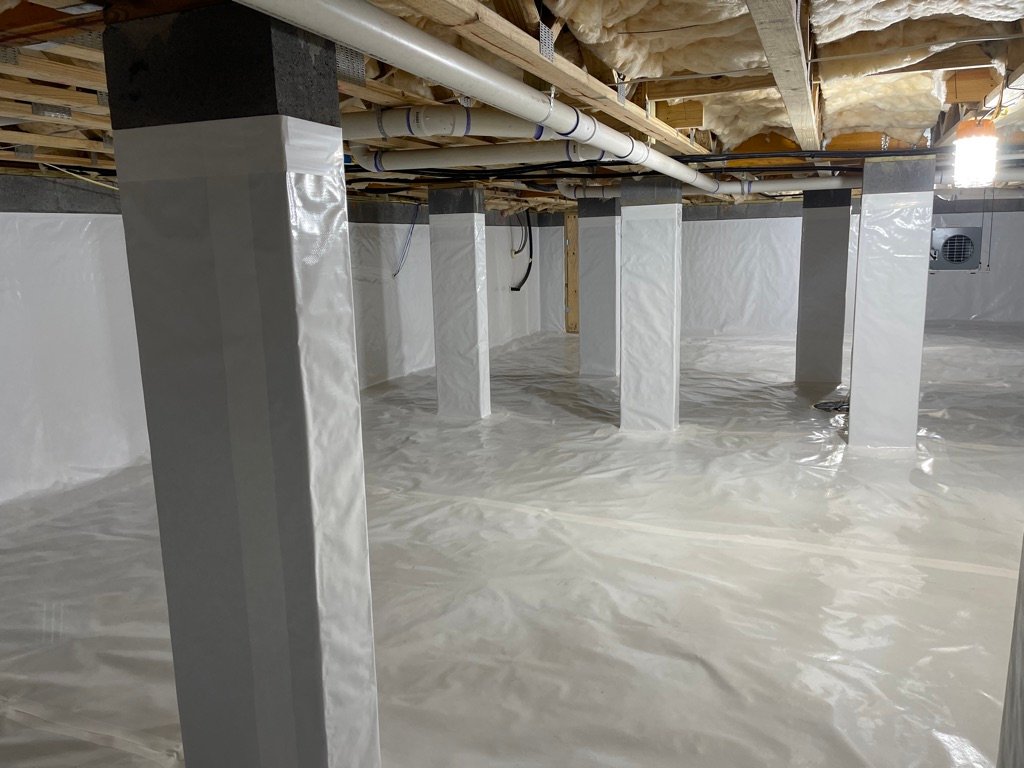
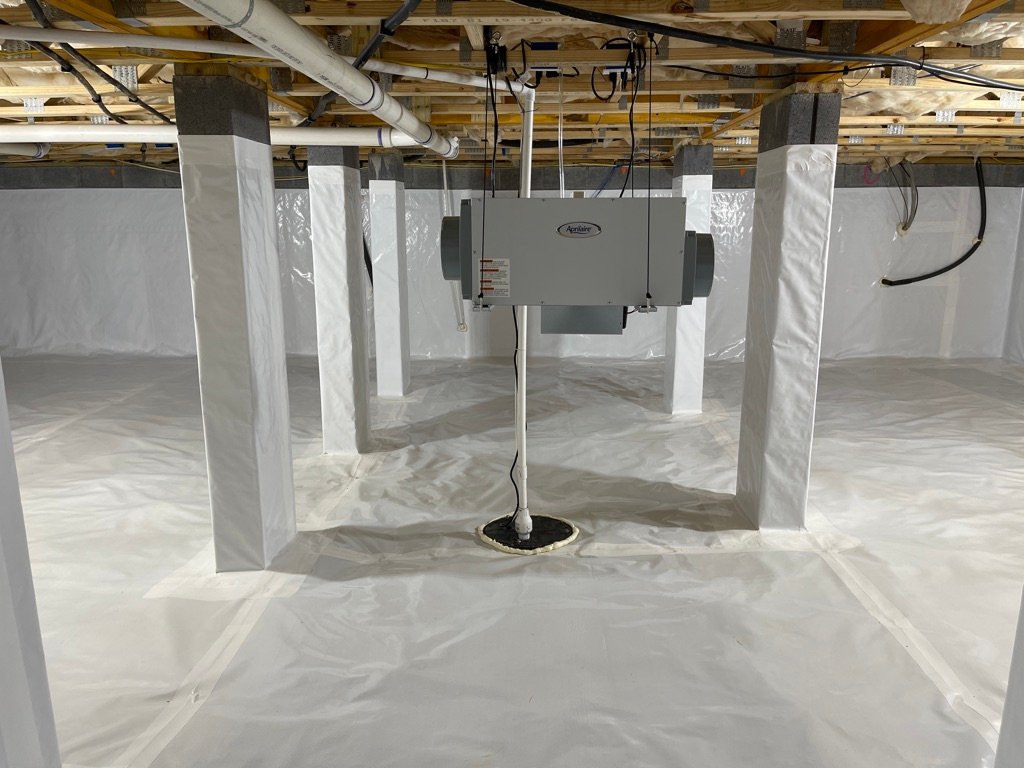
Crawlspace encapsulation, waterproofing, and moisture control to protect your home's foundation.
Air quality testing and radon testing to identify and solve indoor air problems.
Not sure whether you need a vapor barrier, full encapsulation, moisture control, or a dehumidifier? We will assess your crawlspace at no cost.
30+
Years Local Experience
Guilford County
Clean Air is a family owned crawlspace encapsulation and indoor air quality company serving Greensboro and the surrounding Piedmont Triad communities. We started this business with one goal: help families breathe easier inside their own homes. From Kernersville to Chapel Hill, from Clemmons to Burlington, we have spent decades solving the moisture, mold, and air quality problems that most homeowners never see coming.
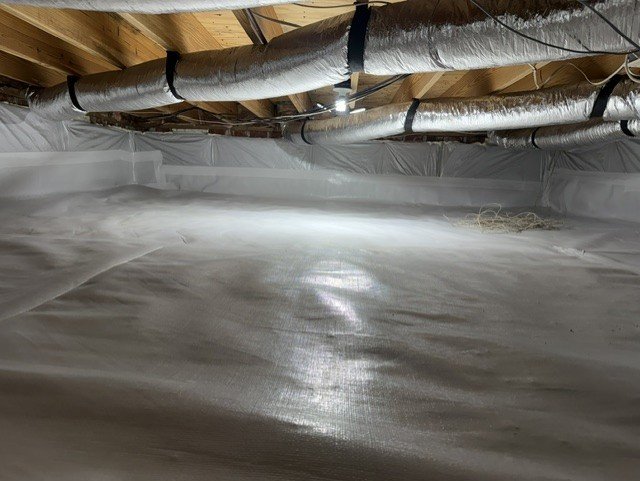
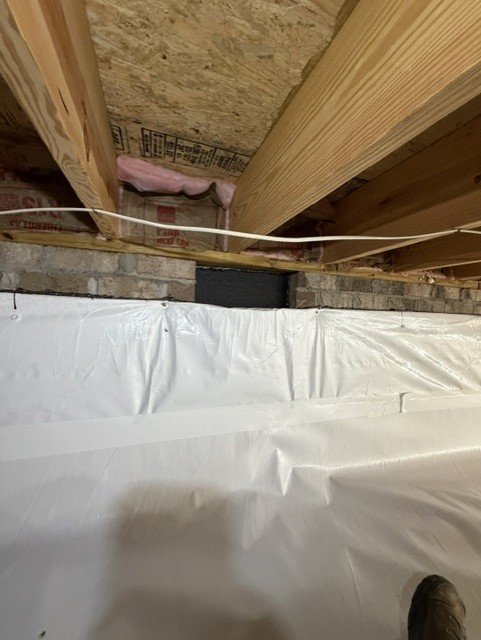
With over 30 years in the industry, we have learned that bad indoor air rarely starts at the vent. It usually starts below your feet. Crawlspace moisture, mold growth, and poor vapor barriers quietly push contaminants up through your floors and into the air your family breathes every day. That is why crawlspace encapsulation is at the heart of everything we do. We combine crawlspace solutions, moisture control, and air duct cleaning into one connected approach, instead of treating each problem separately.
From your first call to confirmed results, our process is simple, transparent, and focused on lasting improvements to your home's air quality and moisture control.
Reach out to Clean Air to tell us what you're experiencing. Whether it's musty odors, visible mold, or concerns about your air quality, we listen and help you understand your next steps.
We visit your home and conduct a thorough assessment of your crawlspace, ducts, and living areas — identifying moisture intrusion, mold growth, and air quality issues at no cost to you.
Based on what we find, we design a tailored plan — whether that's crawlspace encapsulation, mold remediation, vapor barrier installation, duct cleaning, or a combination of services.
Once the work is complete, we verify the results through testing or a thorough visual inspection so you can see and feel the difference with confidence.
We don't just fix the problem and leave — we provide you with practical guidance on maintaining a healthier home environment long after our work is done.
We handle all testing, installation, and cleanup. You approve the plan before we start work.
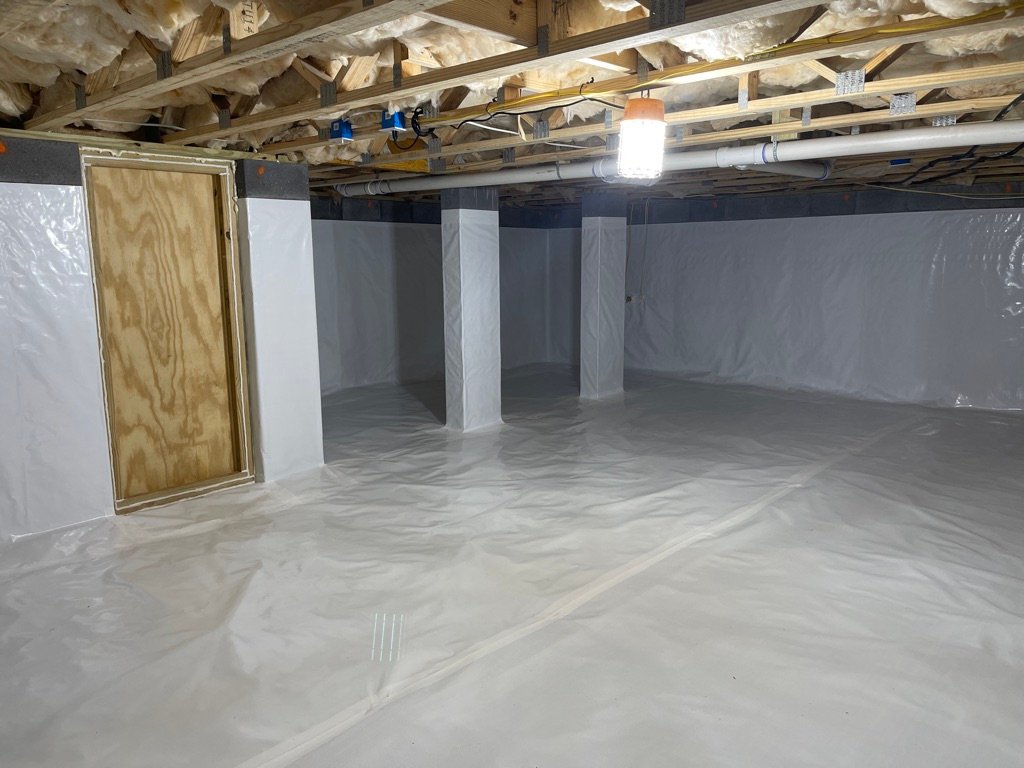
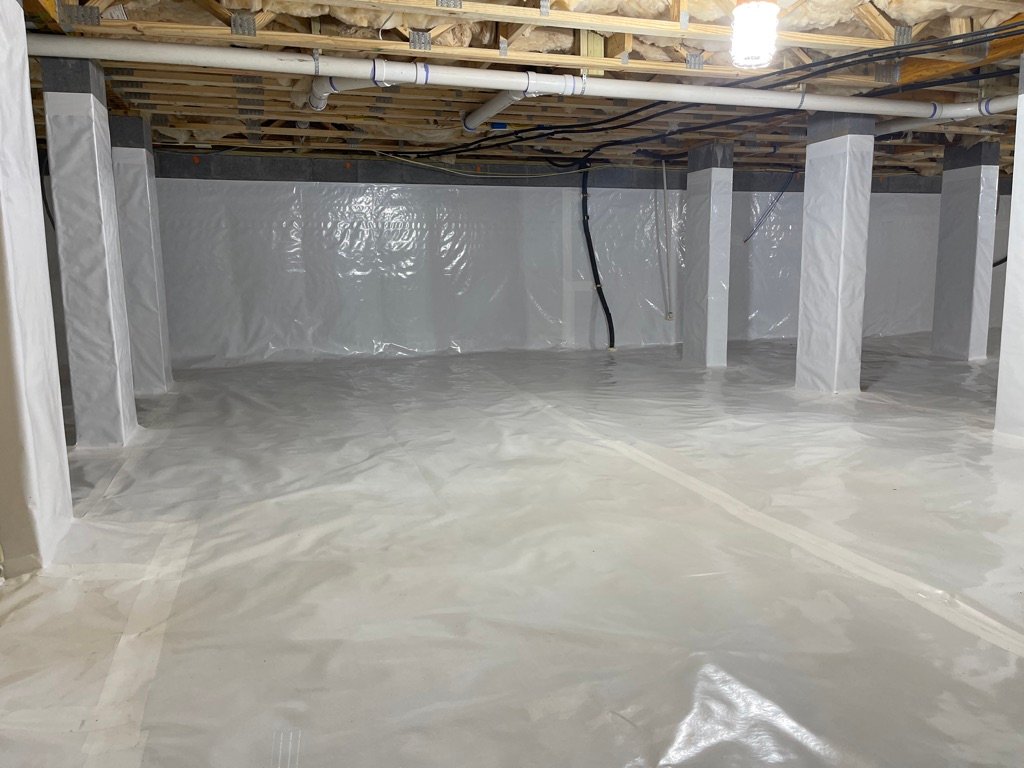
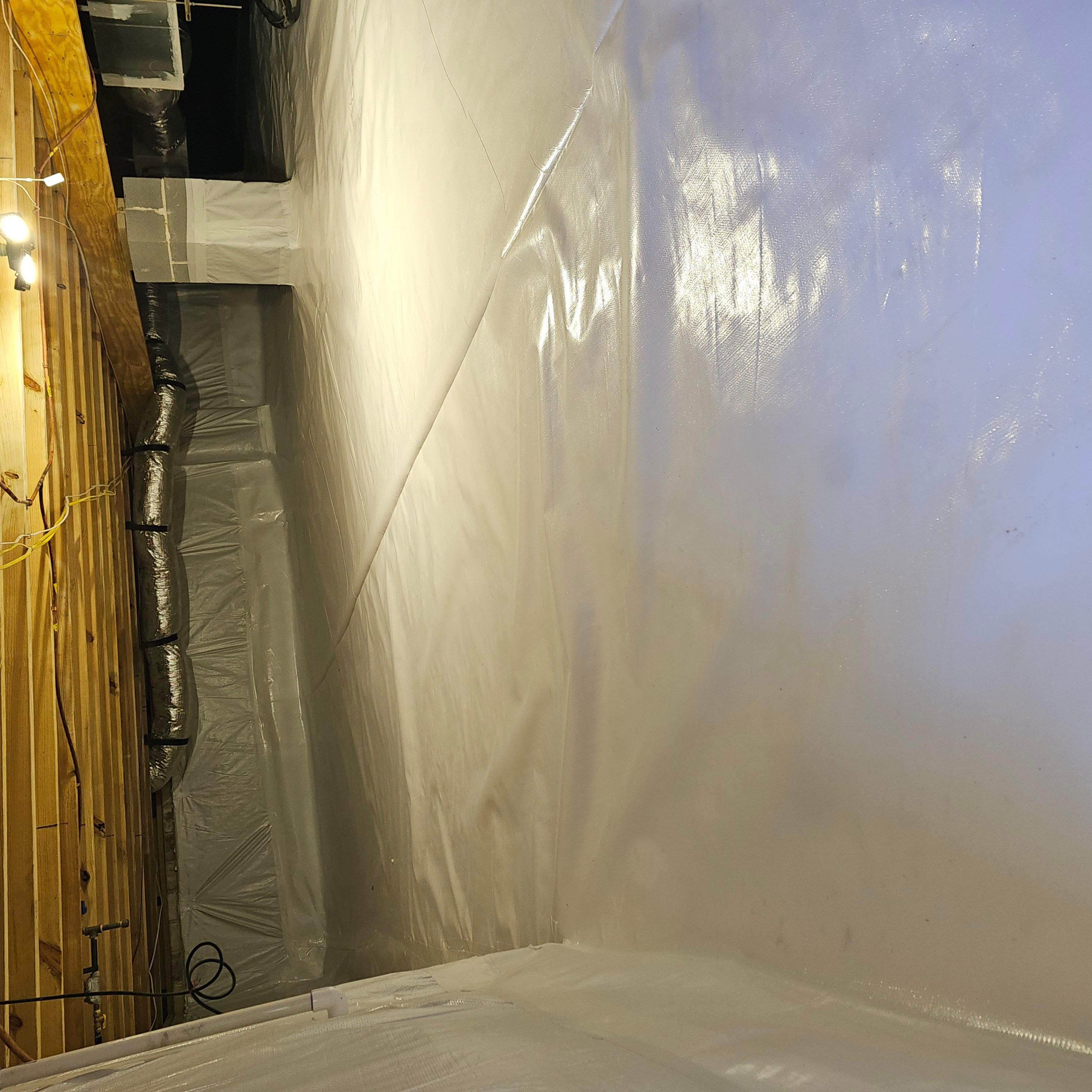
Every project in this gallery was built by our crew. Real work, real clients, real results.
Based in Greensboro — serving every corner of Greensboro-High Point Region.
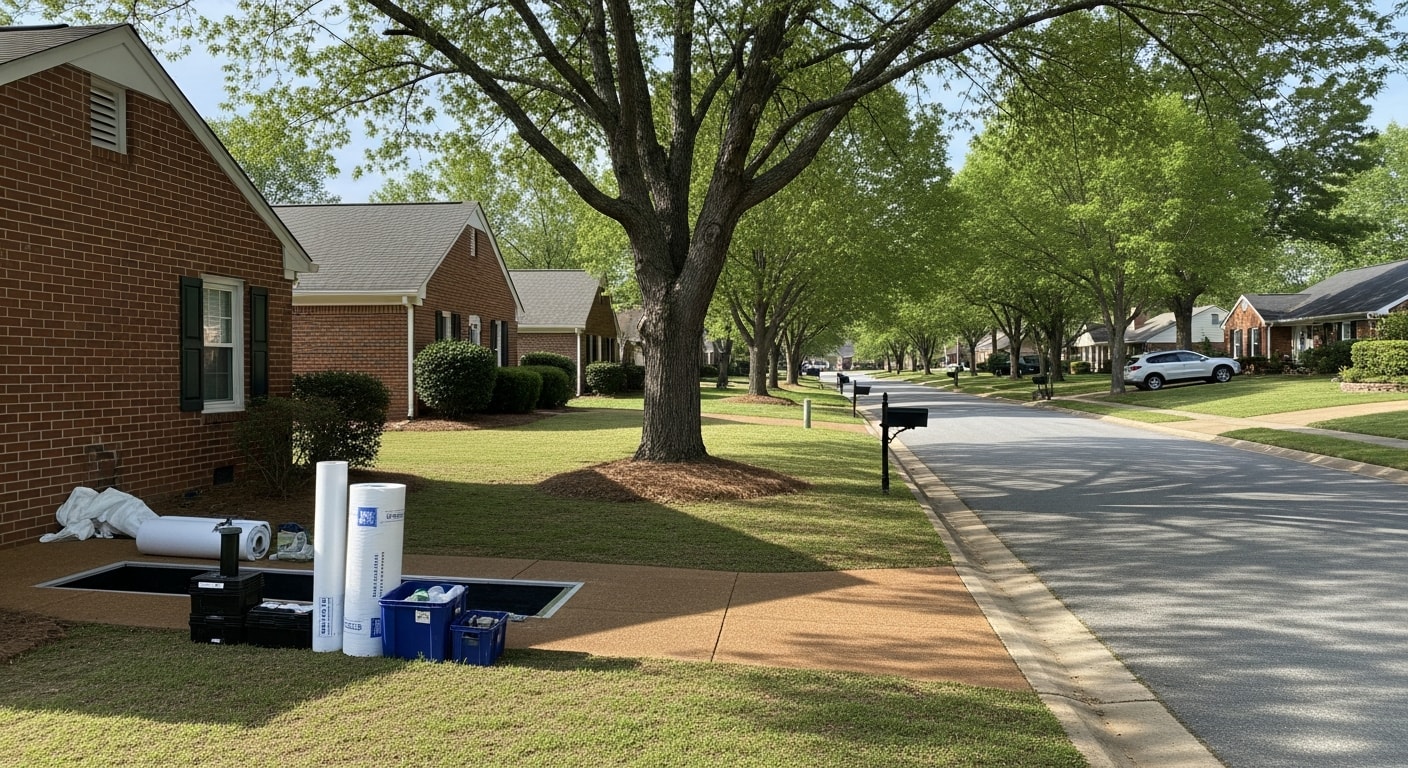
Greensboro is our home base and the heart of the Piedmont Triad. As the largest city in the region, Greensboro spans a wide range of neighborhoods — from historic districts and established suburbs to newer developments across Guilford County. We proudly serve homeowners and businesses throughout Greensboro and the surrounding communities with expert crawlspace encapsulation, air duct cleaning, mold removal, and indoor air quality services. When it comes to cleaner, healthier homes in the Greensboro area, Clean Air is the trusted local choice.
Cities & Communities We Serve:
Lewisville, Clemmons, Advance +1
High Point, Thomasville, Archdale +1
Winston-Salem, Clemmons, Lewisville +1
Chapel Hill, Carrboro, Durham +1
Asheboro, Randleman, Archdale +1
Greensboro, High Point, Jamestown +4
Greensboro, Winston-Salem, High Point +4
Worked with us?
Leave a ReviewReady to become our next happy client?
Answers to the questions homeowners ask most before hiring a contractor. Not seeing yours? Call us. We are straightforward about our process, pricing, and expectations.
We primarily serve Lewisville, NC, Greensboro, NC, High Point, NC, Winston-Salem, NC, Chapel Hill, NC, Asheboro, NC, Greensboro-High Point Region, NC, Piedmont Triad Region, NC. If you are outside these areas, call us. We take select projects beyond our standard service radius for the right scope.
Dust and debris in ducts reduce airflow and air quality. Cleaning improves efficiency and helps your family breathe easier in Greensboro.
Most homes benefit from cleaning every 3 to 5 years. We can assess your system and recommend the right schedule for you.
Yes, we serve High Point, Kernersville, and many surrounding areas in the Greensboro region.
Call us directly. Real answers, no scripts.
Stop by, call, or book online — we're always nearby when you need us.
Phone
(336) 707-0498Hours
Clean Air serves Greensboro, NC and the surrounding area with professional Crawlspace Encapsulation services. Free estimates, clear options, no pressure.
Mon–Fri 8:00 AM - 4:00 PM · Sat Closed · Responses within 2 hrs