
Contact Info
- Greensboro, NC 27406
- Call: 336-707-0498
- Text: 336-707-0498
-
Mon - Fri: 8am - 4pm
Sat - Sun: Closed
Contact Info
Your HVAC ducts might be silently sabotaging your health and budget. Recognize these 10 telltale signs that professional duct cleaning is overdue in your Greensboro home.
Your ductwork stays hidden behind walls and ceilings, which makes it easy to forget it exists. But just because you can’t see it doesn’t mean nothing’s happening. Your HVAC system constantly pulls in everything floating through your home—dust from everyday living, pet dander, pollen that drifts in from outside, particles from cooking and cleaning.
All of it gets sucked into your ductwork. Your air filter catches some, but plenty sticks to the interior walls of your ducts, building up over time. The average home creates up to 40 pounds of dust every year just from normal activities.
When ducts get clogged with buildup, your HVAC system works harder to push air through. Higher energy bills and equipment wear follow. But the real problem is your indoor air quality—every time your system kicks on, it stirs up and redistributes those contaminants throughout every room in your house.
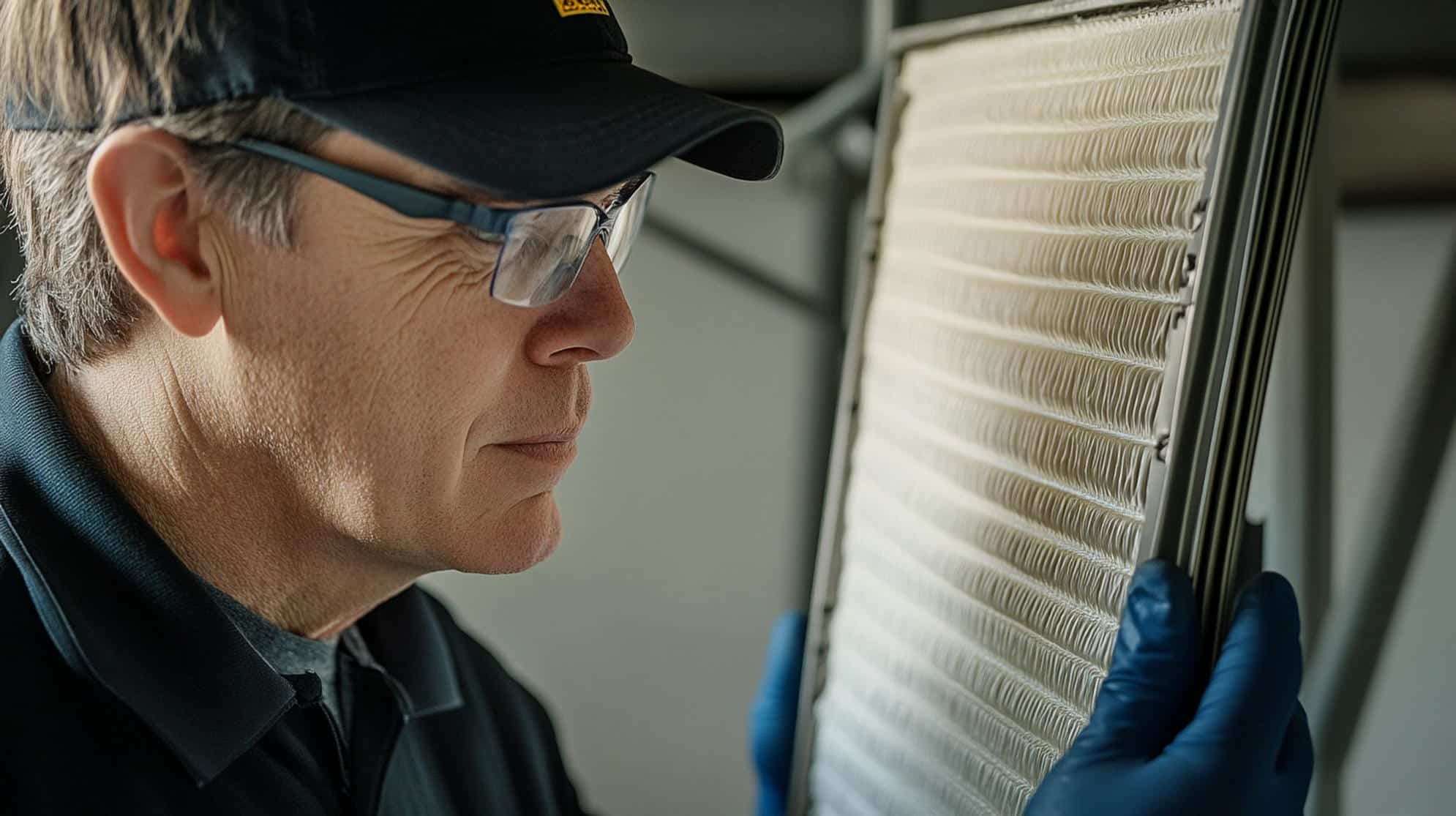
Greensboro’s humid subtropical climate is beautiful until you realize what it’s doing to your ductwork. Humidity doesn’t just make summer days sticky—it creates ideal breeding conditions for mold and mildew inside your HVAC system. Dark, enclosed duct spaces with moisture? That’s a mold paradise.
When humidity combines with the dust and organic debris already sitting in your ducts, microbial growth takes off. Mold spores don’t stay contained. They get picked up by airflow and distributed throughout your entire home. You might smell something musty when your system runs. Or you might smell nothing at all. Either way, those spores are circulating.
Greensboro also battles significant seasonal pollen. Spring and fall bring waves of tree and grass pollen that infiltrate indoors no matter how careful you are. Your HVAC system pulls it in, and it settles into your ductwork with everything else. For anyone dealing with allergies or asthma, this creates continuous exposure that never lets up.
The combination means homes in our area often need professional air duct cleaning more frequently than national averages suggest. While the National Air Duct Cleaners Association recommends duct cleaning every three to five years for typical homes, Greensboro homeowners dealing with moisture issues or allergy sufferers benefit from cleaning every two to three years. It’s not excessive—it’s adapting to local reality. North Carolina’s humidity doesn’t take breaks, and neither should your maintenance schedule.
Most people don’t understand what their HVAC system actually does. It’s a closed loop constantly recycling your indoor air. The system pulls air from living spaces through return vents, conditions it by heating or cooling, then pushes it back through supply vents. This cycle repeats over and over, all day, every day.
Clean ducts mean this process works as designed. Dirty ducts mean every cycle picks up more contaminants and spreads them around. It’s like mopping your floors with dirty water—you’re not cleaning, you’re just redistributing the mess.
The air coming from your vents might be the right temperature, but it’s also carrying microscopic particles of whatever’s built up inside those ducts. Dust mites and their waste. Mold spores. Bacteria. Pet allergens. If rodents got into your ductwork, their droppings and dander too. You can’t see any of this, but it’s there.
Modern homes make this worse. Energy-efficient construction means well-sealed houses, which is great for utility bills but terrible for air exchange. Less fresh air comes in from outside, so pollutants have nowhere to go. The EPA found that indoor air can be two to five times more polluted than outdoor air, and in tightly sealed homes, those pollutants just keep circulating through your duct system.
Your air filter helps, but it only catches particles passing through it. Once contaminants stick to your duct walls, they stay there until someone physically removes them through professional duct cleaning. Changing your filter regularly matters, absolutely. But it’s not enough to maintain clean indoor air on its own.
Want live answers?
Connect with a Clean Air LLC expert for fast, friendly support.
Recognizing these signs early can save you from breathing contaminated air for months or years. They don’t always appear together—you might notice just one or two initially. But any of them should make you take a closer look at your ductwork condition.
Some warning signs are obvious. Visible mold growth, for instance. Others are subtle, like one room getting less airflow than others. The trick is paying attention to changes in your home environment and HVAC performance. Your house is communicating—you just need to listen.
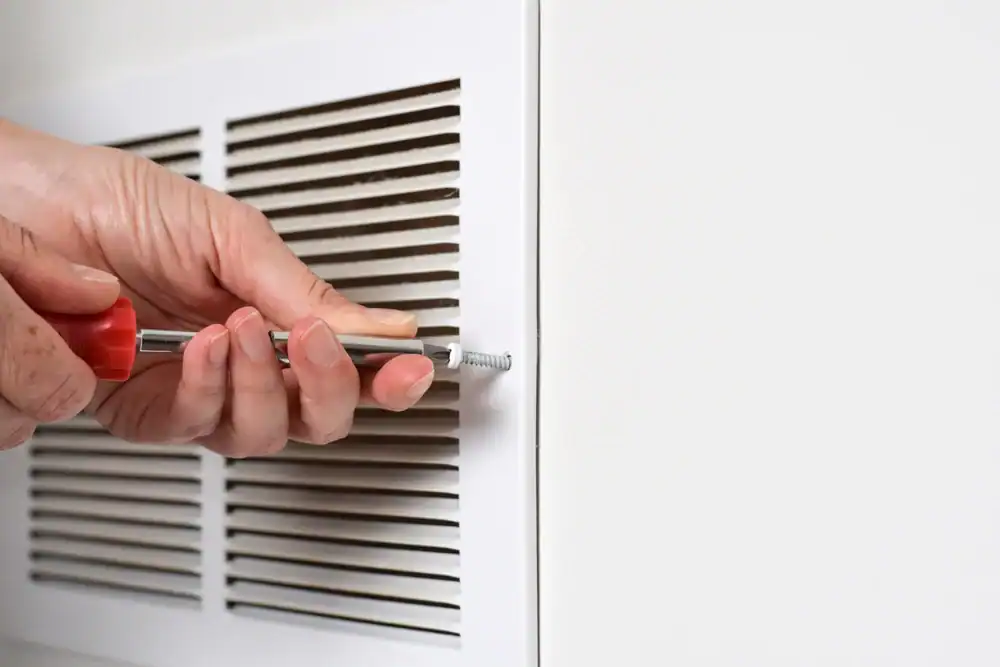
Sign 1: Visible Dust Buildup on Vents and Inside Ductwork
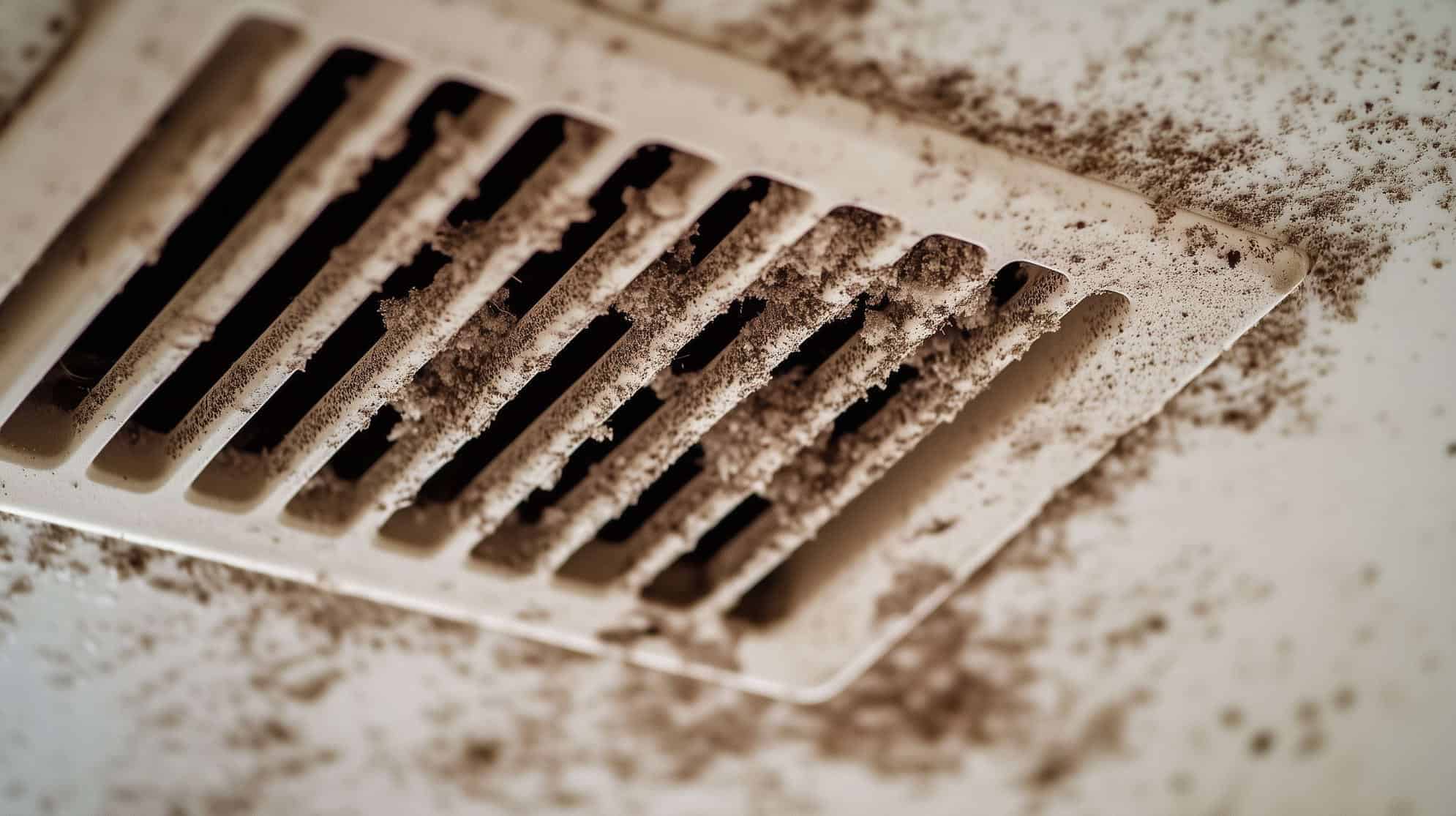
Look at your supply and return vents right now. See dust caked around edges or coating the vent covers? That’s your first red flag. Remove a vent cover and shine a flashlight inside. If you see dust coating the metal or debris sitting in the ductwork, you’re looking at accumulation that needs professional removal. This isn’t surface dust you can wipe away—it’s buildup that extends throughout your entire duct system.
Sign 2: Dust Puffing Out When Your System Starts Up
Watch what happens when your heating or AC kicks on. See little clouds of dust coming from your vents? That’s loose debris in your ductwork getting blown directly into your living space. Normal, clean air ducts don’t release visible dust when the system starts. If yours do, there’s significant contamination that needs addressing.
Sign 3: Constant Dust on Surfaces No Matter How Often You Clean
You dust your furniture and within two days there’s a fresh layer. You mop floors and they look grimy again by week’s end. This endless cleaning cycle points straight to dirty ductwork. Your HVAC system is functioning as a dust distribution network, constantly depositing particles on every surface in your home. You can’t out-clean contaminated ducts.
Sign 4: Unexplained Respiratory Issues and Allergy Symptoms at Home
Notice patterns. Does anyone in your household cough, sneeze, or feel congested more at home than elsewhere? Do allergy symptoms worsen indoors compared to outdoors? Are you dealing with frequent sinus infections or respiratory irritation without obvious cause? Contaminated air ducts trigger all of these, especially in people with existing sensitivities. When symptoms improve after leaving the house, your indoor air quality is the problem.
Sign 5: Musty or Strange Odors Coming From Your Vents
Smells tell the truth. A musty, stale, or moldy odor when your HVAC runs usually signals microbial growth somewhere in your ductwork. Other odors—burning smells from dust buildup or decomposition odors from rodent activity—indicate serious contamination needing immediate attention. These smells won’t disappear on their own, and air fresheners just mask the real problem without solving it.
Sign 6: Uneven Airflow and Temperature Differences Between Rooms
Walk through your home while the HVAC runs. One bedroom gets plenty of air while another barely gets any? Some rooms stay consistently warmer or cooler than others despite fully open vents? Inconsistent airflow typically means blockages or heavy buildup in certain ductwork sections restricting air movement. Your system can’t deliver conditioned air effectively when ducts are clogged.
Sign 7: Rising Energy Bills Without Increased Usage
Clogged ducts force your HVAC system to run longer and work harder to reach your target temperature. That extended runtime shows up directly on your utility bills. If you’ve noticed steady increases in heating and cooling costs without corresponding usage increases or rate changes, dirty ductwork forcing your system into overtime is likely responsible. The U.S. Department of Energy estimates that proper HVAC maintenance, including duct cleaning, can reduce energy bills by 20 to 30 percent.
Sign 8: Recent Home Construction, Renovation, or Remodeling Work
Any construction project generates dust, no matter how careful contractors are. Drywall dust, sawdust, insulation particles—all of it gets sucked into your HVAC system when it runs during construction. Even sealed-off work areas don’t prevent construction debris from infiltrating ductwork. NADCA specifically recommends professional duct cleaning immediately after renovation projects because construction contaminants can include nasty particulates you don’t want to breathe.
Sign 9: Evidence of Pests or Rodents in Your Air Ducts
Mice, squirrels, and insects find their way into ductwork through small openings or unsealed access points. Once inside, they leave droppings, nesting materials, dander, and sometimes carcasses. You might hear scratching or rustling, notice unusual smells, or see actual evidence of pest activity near vents. This isn’t just gross—it’s a legitimate health hazard requiring immediate professional intervention. Rodent droppings in your ductwork mean you’re breathing contaminated air with every HVAC cycle.
Sign 10: You Don’t Remember the Last Time Your Ducts Were Cleaned
If you’ve lived in your home several years without professional duct cleaning, or you don’t know whether previous owners ever had it done, it’s overdue. Even homes without specific problems benefit from maintenance cleaning every three to five years to prevent buildup from reaching problematic levels. Think of it like oil changes for your car—preventive maintenance protects your investment and keeps everything running smoothly. Waiting until you have obvious problems means you’ve already been breathing contaminated air for too long.
Real professional duct cleaning isn’t something you can DIY with a household vacuum and determination. The process requires specialized equipment, including powerful HEPA-filtered vacuum systems creating negative air pressure throughout your entire duct network. We use inspection cameras to assess contamination levels, then deploy rotating brushes, compressed air whips, and agitation devices to dislodge debris from duct surfaces while vacuum systems extract everything.
Thorough cleaning addresses your complete HVAC system—supply and return ducts, registers, grilles, diffusers, coils, drip pans, and the air handling unit itself. For residential homes, the process typically takes three to five hours when done properly. When it’s finished right, you’ll notice immediate differences in air quality and system performance. Cleaner air, better airflow, lower energy consumption.
If you’re seeing any of these warning signs in your Greensboro home, waiting doesn’t make sense. We provide professional HVAC duct cleaning and commercial duct cleaning services using industry-standard methods that deliver real results. Your family deserves clean indoor air, and your HVAC system deserves to operate at peak efficiency without working overtime against clogged ductwork.
Summary:
Share: