
Professional Mold Inspection Process Greensboro NC
A real mold inspection isn’t someone walking through your house pointing at water stains. It’s a systematic assessment that combines visual examination with technology designed to find problems hiding behind surfaces.
The process starts with understanding your specific situation. When did you first notice symptoms or smells? Where exactly? Has there been any water damage, even years ago? These details guide where to look and what equipment to use.
Visual assessment covers the obvious spots and the overlooked ones. Crawl spaces where North Carolina’s humidity concentrates. HVAC systems that circulate whatever’s growing inside them. Corners where condensation builds up unnoticed. But visual inspection only catches what’s already visible—and mold often grows for months in places you’d never see without pulling up flooring or opening walls.
What Moisture Detection Equipment Actually Finds
Mold needs moisture. Always. Finding mold without finding the moisture source is like bailing water without fixing the leak—you’ll be doing it again in six months.
Professional moisture meters measure water content in materials like drywall, wood framing, and subflooring without damaging them. A reading above 17% in wood creates conditions where mold can grow. Above 20% and you’re almost guaranteed to have a problem. These aren’t guesses—they’re measurements that show exactly which areas have the moisture levels mold needs to survive.
Thermal imaging cameras reveal temperature differences that indicate moisture intrusion behind walls and ceilings. Cold spots often mean water is evaporating, pulling heat away from the surface. Warm spots in crawl spaces can indicate humidity condensing on cooler surfaces. You can’t see any of this with your eyes, but the camera shows the thermal signature of moisture problems developing.
Humidity meters track relative humidity throughout your home. Guilford County’s outdoor humidity averages 67-73% depending on where you live, but your indoor levels should stay below 60%. Above that and you’re creating an environment where mold thrives. Crawl spaces often hit 80-90% humidity in summer months, which explains why mold grows so readily in these spaces.
The equipment tells you where moisture is now and where it’s been. That water stain from last year’s roof leak? The moisture meter shows if the wood actually dried out or if it’s still holding water. The crawl space that floods every heavy rain? Thermal imaging reveals which floor joists are staying damp long after the visible water disappears.
How Visual Assessment Identifies Hidden Mold Growth
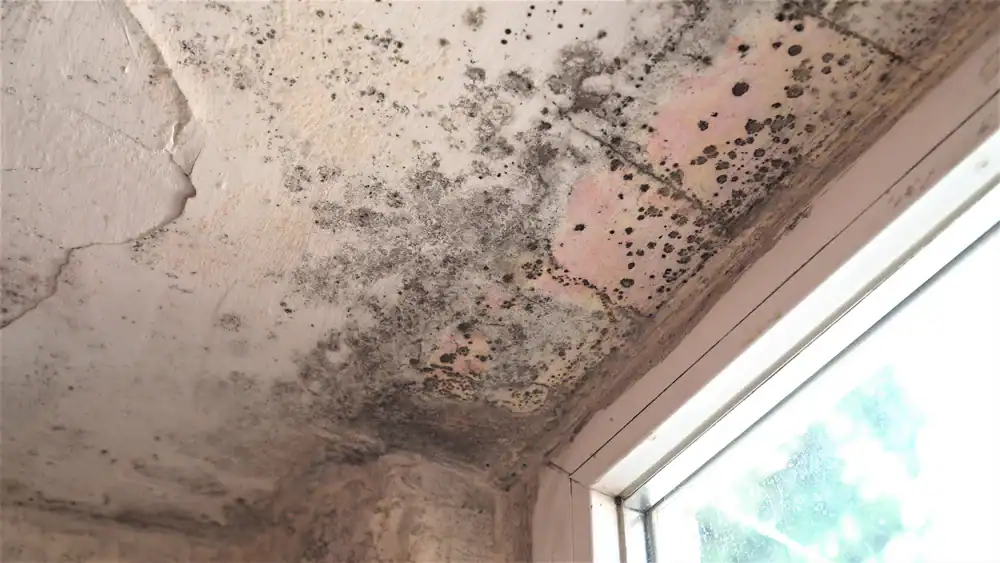
Mold doesn’t always look like the dramatic black patches you see in disaster photos. It starts as discoloration that looks like dirt. It grows as fuzzy spots in corners. It spreads as staining on wood that homeowners assume is just aging.
Experienced inspectors know where to look because they understand how buildings in Guilford County are constructed and where moisture typically accumulates. Crawl spaces built with open foundation vents let in humid air that condenses on cooler surfaces below your home. HVAC systems that run constantly in summer create condensation in ductwork. Bathrooms with inadequate ventilation trap moisture that migrates into wall cavities.
The visual inspection checks these vulnerable areas systematically. In crawl spaces, that means examining floor joists, subfloors, insulation, and foundation walls for any signs of growth or moisture damage. In living areas, it means looking behind and under things—furniture against exterior walls, stored items in closets, areas around windows and doors where air leaks create condensation points.
Attics get checked for roof leaks and ventilation problems. Basements for groundwater seepage and foundation cracks. Laundry rooms for dryer vent issues and plumbing leaks. Each space has typical failure points based on how it’s used and how weather affects it.
What looks like a small problem on the surface often indicates a larger issue behind it. A quarter-sized spot of mold on drywall might mean extensive growth inside the wall cavity where moisture has been feeding it for months. Musty smells without visible mold usually mean it’s growing somewhere you can’t see—inside ductwork, beneath flooring, or in wall assemblies.
The visual assessment documents everything with photos and notes. You’ll see exactly what we found, where it was located, and how extensive it appears. This documentation helps you understand the scope of any problem and gives you a baseline if you need to track whether issues are worsening over time.
Mold Detection Methods for Hidden Problems
The mold you can see is rarely the whole story. Professional detection methods identify growth in places that would never show up during a casual walk-through.
Air quality testing measures mold spore concentrations in your indoor air and compares them to outdoor levels. Every home has some mold spores—they’re everywhere outdoors and drift inside whenever you open a door. The question is whether your indoor levels are elevated compared to outside, which indicates active growth somewhere in your home.
Detection combines technology with knowledge of how buildings fail. After working in thousands of Guilford County homes, we know that crawl space moisture migrates upward into living areas, that HVAC systems can distribute spores throughout a house, and that North Carolina’s climate creates specific patterns of where mold grows and why.
Mold Air Testing Process and What Results Mean
Air testing captures what’s floating through your home right now. A calibrated air pump draws a measured volume of air through a collection device that traps mold spores. These samples go to an accredited laboratory where technicians identify and count the specific types of mold present.
The process typically includes an outdoor control sample plus samples from problem areas and main living spaces. The outdoor sample establishes a baseline—what’s naturally present in your area on that particular day. Indoor samples get compared to this baseline to determine if levels are elevated.
Results show spore counts and mold types. Some molds are common outdoors and indoors—finding a few of these spores doesn’t indicate a problem. But finding high concentrations of types that grow primarily indoors, or discovering types that only grow on very wet materials, tells you there’s active growth somewhere in your home.
The lab report breaks down each mold type found, the concentration levels, and whether those levels are considered normal, elevated, or significantly elevated compared to outdoor levels. This information guides decisions about whether remediation is needed and how extensive it should be.
Air testing works best when combined with visual inspection and moisture detection. The air sample might show elevated spore counts, but only physical inspection reveals where the mold is actually growing. And only moisture detection shows what’s feeding it. All three pieces together give you the complete picture.
Timing matters for air testing. Closing windows and doors for 12-24 hours before testing lets spore concentrations build to levels that better represent typical conditions. Testing during or right after rain can skew results because outdoor spore counts drop when it’s wet. We schedule testing to get the most accurate representation of what you’re actually breathing day to day.
Finding Mold in Crawl Spaces and HVAC Systems
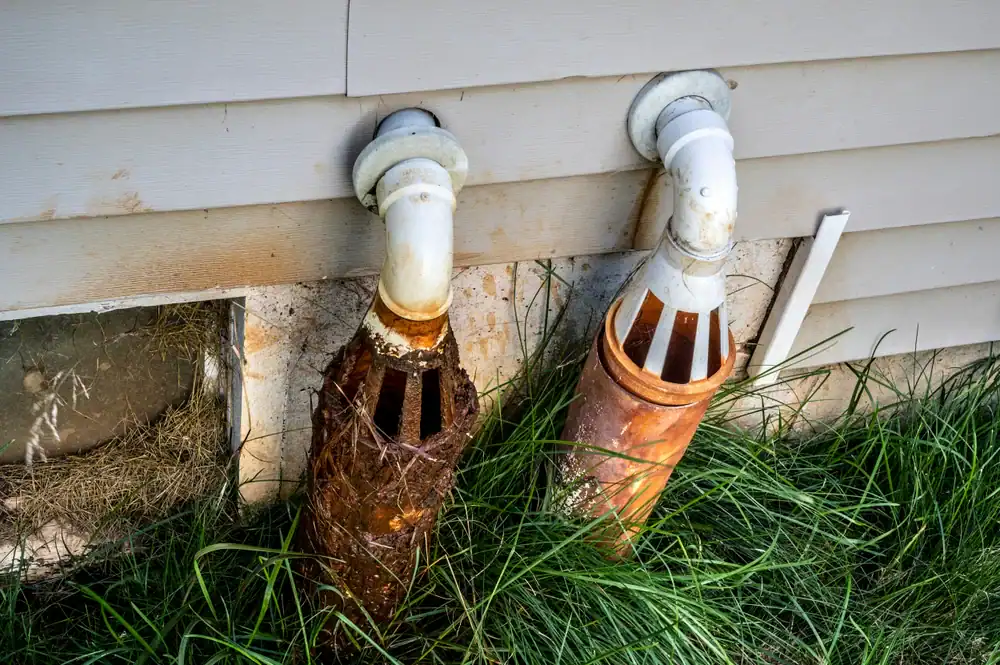
Over 77% of North Carolina homes have crawl spaces, and the overwhelming majority have at least some mold growth. Guilford County’s humidity creates perfect conditions—moisture from the ground evaporates into crawl space air, wooden floor joists provide food, and temperatures stay in the 60-80°F range where mold thrives.
Crawl space inspection means physically getting into the space with proper lighting and equipment. We examine floor joists and subfloors for discoloration, measure moisture content in wood, and check for standing water or evidence of previous flooding. We look at foundation vents that let in humid summer air and at vapor barriers that may be torn or inadequate.
The stack effect pulls air from your crawl space up into your living areas. Whatever’s growing down there—mold spores, musty odors, moisture—rises through gaps around pipes and wiring, through HVAC ducts, through the small openings that exist in every floor assembly. This is why crawl space mold often causes symptoms in the rooms above it even though you never go down there.
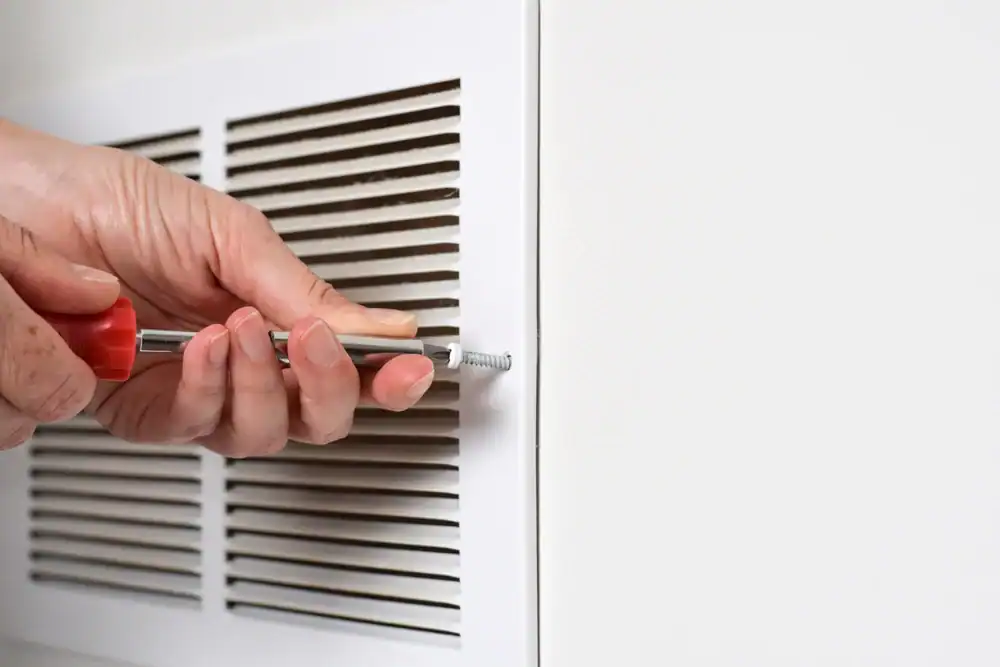
HVAC systems create their own mold problems. Air conditioning coils produce condensation that should drain away but sometimes doesn’t. Ductwork in unconditioned spaces like attics and crawl spaces develops condensation on the outside when cold air runs through them in humid conditions. Dirty filters restrict airflow and create moisture buildup. Any of these conditions can lead to mold growth that then gets distributed throughout your entire home every time the system runs.
Inspecting HVAC systems includes checking supply and return ducts, examining coils and drain pans, assessing airflow and filter condition, and sometimes taking air samples directly from ducts. If mold is growing inside your ductwork, regular cleaning won’t fix it—you need to address the moisture source first, remediate the growth, and then prevent recurrence with proper system maintenance.
Detection in these hidden spaces requires experience and the right equipment. A flashlight and a quick look won’t cut it. Professional inspection documents conditions thoroughly so you know exactly what you’re dealing with and what needs to be addressed.
Getting Professional Mold Inspection in Guilford County NC
Your home’s air quality affects your family every single day. Mold problems don’t announce themselves with flashing lights—they develop quietly in crawl spaces, ductwork, and wall cavities until symptoms force you to investigate.
Professional inspection combines visual assessment, moisture detection, and air quality testing to identify problems and their sources. You’ll know what’s actually there, where it’s growing, what’s feeding it, and what needs to happen next. That information lets you make decisions based on facts instead of fear or guesswork.
We’ve been helping Guilford County homeowners breathe easier since the early 1990s. Our IICRC mold certification, NADCA membership, and 30+ years of local experience mean you’re working with professionals who understand how North Carolina’s climate affects your home. Free inspections give you answers without pressure to buy services you might not need.