
You bought the kit. Followed the instructions. Waited for results. And now you’re staring at a report that tells you mold is present in your home—but doesn’t tell you if that’s normal, dangerous, or what to do about it.
This is the reality for most homeowners who try DIY air quality testing. The kits seem straightforward, but they’re missing the context, calibration, and professional analysis needed to actually answer the question you’re asking: Is my family breathing safe air?
Here’s what you need to know about why DIY testing falls short, and what professional air quality testing actually delivers for homes in Guilford County.
Professional Air Quality Testing: What Actually Gets Measured
Professional air quality testing isn’t just about detecting whether pollutants exist. It’s about measuring concentration levels, identifying specific species, and comparing your indoor air to outdoor baselines to determine if what’s in your home is normal or dangerous.
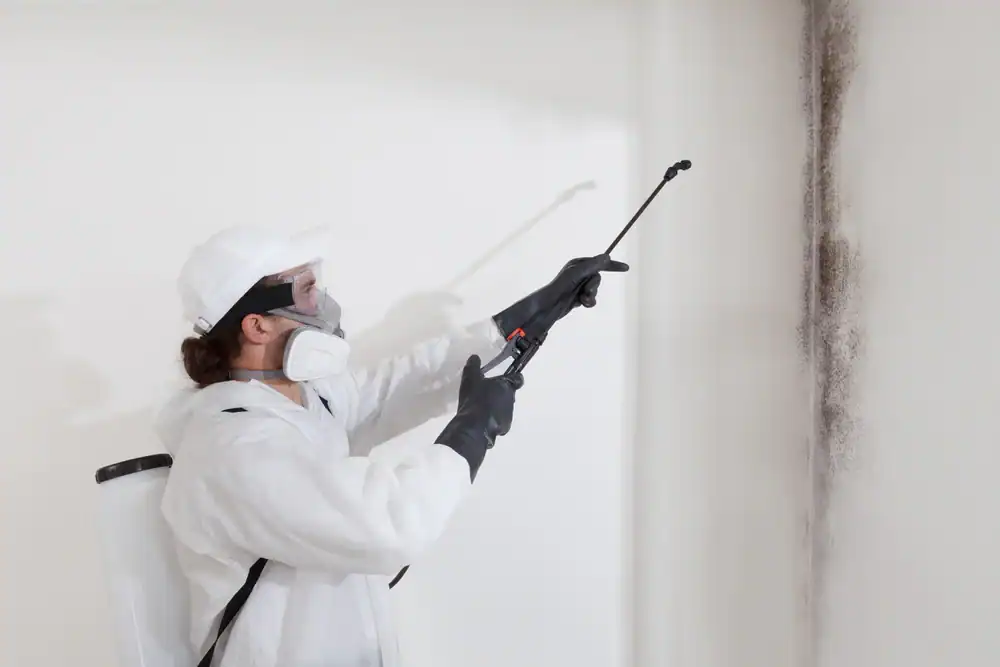
We use calibrated air sampling pumps that draw precise volumes of air through collection cassettes. These samples go to accredited laboratories where trained specialists examine them under microscopes, count spore concentrations, and identify exactly what you’re dealing with. The process follows standardized protocols that produce comparable, repeatable results.
This level of precision matters because mold spores, allergens, and volatile organic compounds exist in every home. The question isn’t whether they’re present—it’s whether they’re present at levels that threaten your health. DIY kits can’t answer that question.
IAQ Testing Equipment: Why Calibration Changes Everything
The equipment used for indoor air quality assessment makes the difference between guesswork and actual data. Professional-grade air sampling pumps are calibrated to draw exactly 75 liters of air over five minutes. This standardization ensures that concentration measurements are accurate and comparable.
Cheaper DIY monitors and kits often lack proper calibration. Some require seven days of calibration time before they produce reliable readings for VOCs and CO2. Others use sensors that can’t detect particles smaller than what professional equipment captures at 0.3 microns. Without calibration, you’re getting numbers that look precise but may be wildly inaccurate.
We also use moisture meters that penetrate building materials and thermal imaging cameras that detect temperature differences indicating hidden moisture. These tools identify problems before visible mold appears, catching issues that DIY kits would never detect. You’re not just measuring what’s floating in the air right now—you’re identifying the conditions that create ongoing contamination.
Temperature and humidity readings matter too. North Carolina’s humid subtropical climate creates perfect conditions for mold growth. Guilford County buildings face unique challenges from seasonal humidity fluctuations that promote mold in everything from historic downtown structures to modern energy-efficient homes. Our professional equipment measures these environmental factors alongside pollutant levels to give you the complete picture.
The EPA has confirmed that indoor air can be two to five times more polluted than outdoor air, especially in well-sealed buildings where HVAC systems recirculate the same air all day. Professional testing equipment is designed to detect this full range of contamination, from invisible mold spores circulating through your HVAC to odorless carbon monoxide and microscopic particulates that your senses can’t detect.
Indoor Air Quality Assessment Process: From Inspection to Results
A professional indoor air quality assessment starts with a consultation about your specific concerns. Are family members experiencing respiratory symptoms? Do certain rooms feel stuffier than others? Have you noticed musty odors or visible moisture? This conversation guides where we focus our inspection.
The on-site assessment includes a thorough visual inspection of vulnerable areas—basements, crawl spaces, attics, and HVAC systems. We look for obvious signs of contamination while using specialized equipment to detect hidden problems. We collect air and surface samples strategically, not randomly. Sample locations are chosen based on where problems are most likely to develop and where contamination would have the biggest impact on your family’s health.
Samples then go to accredited laboratories for detailed analysis. Lab specialists identify specific pollutants and their concentration levels. For mold testing, this means identifying the exact species present and counting spore concentrations. For VOC testing, it means detecting specific chemical vapors from furniture, cleaning products, and building materials. The analysis takes three to five business days typically.
The final step is comprehensive reporting. You receive a clear explanation of findings, potential health implications, and actionable recommendations for remediation. The report doesn’t just tell you what’s wrong—it tells you why it’s happening and what to do about it. This is where professional testing delivers value that DIY kits simply can’t provide.
Our assessments also include outdoor control samples. Every environment has some level of mold spores and allergens in the air. Testing outdoor air alongside indoor air provides the baseline comparison needed to determine if your indoor levels are elevated. DIY kits skip this critical step entirely, leaving you unable to interpret whether your results indicate a problem.
Air Quality Inspection: Why DIY Kits Fail Most Homeowners
The failure rate for DIY air quality testing isn’t a matter of user error alone. The methodology itself is fundamentally limited. Most consumer kits use settle plates—petri dishes that sit out for a few days collecting whatever happens to float by. This approach can’t measure concentration levels or provide the context needed to interpret results.
Research shows that cheap petri dish kits fail up to 80% of the time. They tell you mold exists, which is true in literally every home, but they can’t tell you if the mold levels are normal or abnormal. Without quantitative data and outdoor comparison, the results are essentially meaningless.
Even more comprehensive DIY kits that cost $450 or more face challenges. They’re designed for single use, time-sensitive, and typically performed by someone without professional training. Improper sample collection, incorrect timing, or testing in the wrong location can all lead to inaccurate results. You might get false positives that cause unnecessary panic and expensive remediation you don’t need. Or worse, false negatives that give you a false sense of security while harmful pollutants go unaddressed.
Home Air Testing Limitations: What DIY Kits Can’t Detect
DIY home air testing kits are limited by what they can physically measure. Most kits test for only one or a few specific pollutants. A mold kit won’t detect VOCs. A radon kit won’t identify allergens. Even multi-pollutant monitors have significant blind spots.
Consumer-grade monitors might track particulate matter and carbon dioxide, but they can’t identify specific contaminants or their sources. You’ll see a reading that says your air quality is poor, but you won’t know if that’s from cooking, your HVAC system, hidden mold, or something else entirely. Professional equipment detects particles as small as 0.3 microns and identifies specific VOCs, while consumer devices have limited accuracy and range.
Mold testing presents particular challenges for DIY approaches. Mold doesn’t distribute evenly throughout a home. You’ll get very different readings room to room. A DIY kit placed in your living room might show normal levels while your basement has dangerous contamination. We know where to test based on building science and moisture patterns. We understand that up to 40% of your home’s air can come from the crawl space, making that area critical for assessment even if you never go down there.
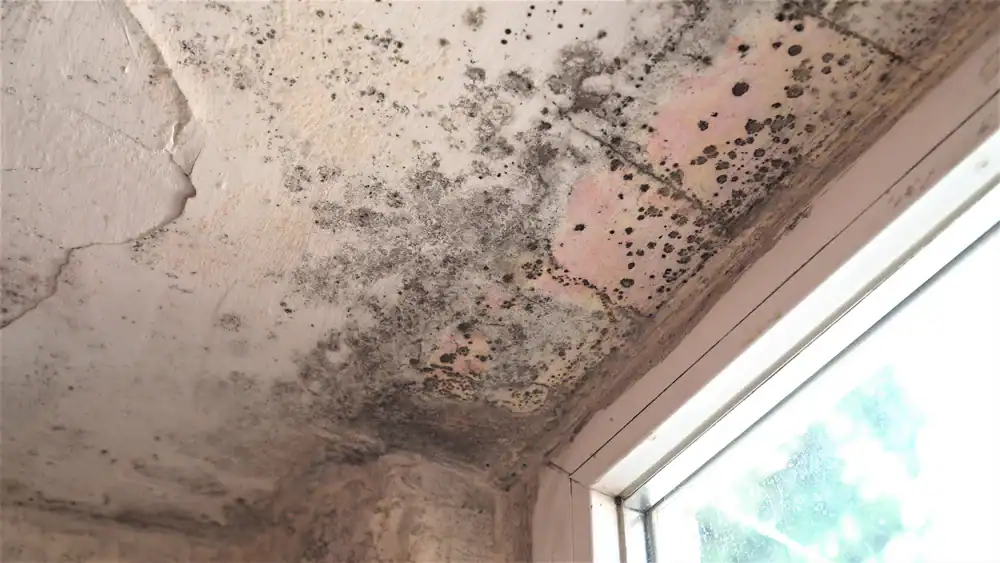
Hidden contamination is another major limitation. Mold loves to grow inside walls, under floors, and in HVAC systems where DIY kits can’t reach. We use moisture meters that penetrate materials and thermal cameras that detect temperature differences indicating moisture. These tools find problems before they become visible, catching issues that DIY testing would miss entirely.
The interpretation gap is just as problematic as the detection gap. Say your DIY radon test shows 3.5 picocuries per liter. Did you test in the right location? With proper closed-house conditions? Did you know levels can vary significantly between your basement and first floor? Professional testing addresses all these variables and provides context for the numbers. Without that context, you’re left making important health decisions based on incomplete information.
Why Guilford County Homes Need Professional Testing
Guilford County’s humid subtropical climate creates specific air quality challenges that make professional testing particularly valuable. North Carolina’s seasonal humidity fluctuations and temperature variations promote mold growth in buildings throughout the region. Summer thunderstorms and winter moisture retention often result in hidden water intrusion affecting basements, crawl spaces, and HVAC systems before homeowners notice problems.
The area’s clay soil and frequent precipitation increase basement and crawl space moisture issues. Many homes in established Greensboro neighborhoods feature older construction with potential moisture intrusion points, while newer developments may have modern building envelope issues related to energy-efficient construction. Tightly sealed buildings trap pollutants indoors where they concentrate to dangerous levels.
Chemical vapors from furniture, cleaning products, and building materials become particularly problematic in energy-efficient homes common throughout Guilford County. North Carolina’s warm, humid climate also accelerates formaldehyde release from pressed wood products, adhesives, and textiles commonly found in Piedmont Triad buildings. These are exactly the kinds of issues that require professional detection equipment and expertise to identify.
Seasonal allergens are already prevalent in the Greensboro area. High pollen loads combined with North Carolina’s humidity levels challenge even well-maintained HVAC systems. Indoor mold contamination compounds these respiratory health issues. Professional testing identifies whether your symptoms are from outdoor allergens, indoor contamination, or both—information that guides effective remediation rather than guesswork.
North Carolina’s workplace safety regulations and school air quality standards increasingly require documented compliance, making professional testing essential for commercial properties. But the same health concerns apply to residential properties where children play, families gather, and people should feel safe. Professional testing provides the documentation and credibility needed for important decisions about your living environment.
Getting Reliable Air Quality Results in Guilford County, NC
The difference between DIY testing and professional air quality assessment comes down to accuracy, context, and actionable information. DIY kits might save money upfront, but they often create more questions than answers, leading to wasted spending on wrong solutions or dangerous delays in addressing real problems.
Professional testing uses calibrated equipment, accredited laboratory analysis, and certified expertise to deliver results you can actually use. You learn not just what pollutants are present, but whether levels are dangerous, where contamination is coming from, and what specific steps will solve the problem. For Guilford County homeowners dealing with North Carolina’s humid climate and complex air quality challenges, that accuracy matters.
If you’re experiencing unexplained health symptoms at home, concerned about mold or air quality, or simply want peace of mind about the air your family breathes, professional testing provides answers that DIY kits can’t deliver. We’ve served Guilford County for over 30 years with NADCA-certified technicians, free inspections, and the expertise to identify and solve indoor air quality problems throughout Greensboro and surrounding areas.