
Contact Info
- Greensboro, NC 27406
- Call: 336-707-0498
- Text: 336-707-0498
-
Mon - Fri: 8am - 4pm
Sat - Sun: Closed
Contact Info
Whole house duct cleaning means your entire HVAC system gets cleaned—supply ducts, returns, trunk lines, and components most companies skip. Here's what you're actually paying for.
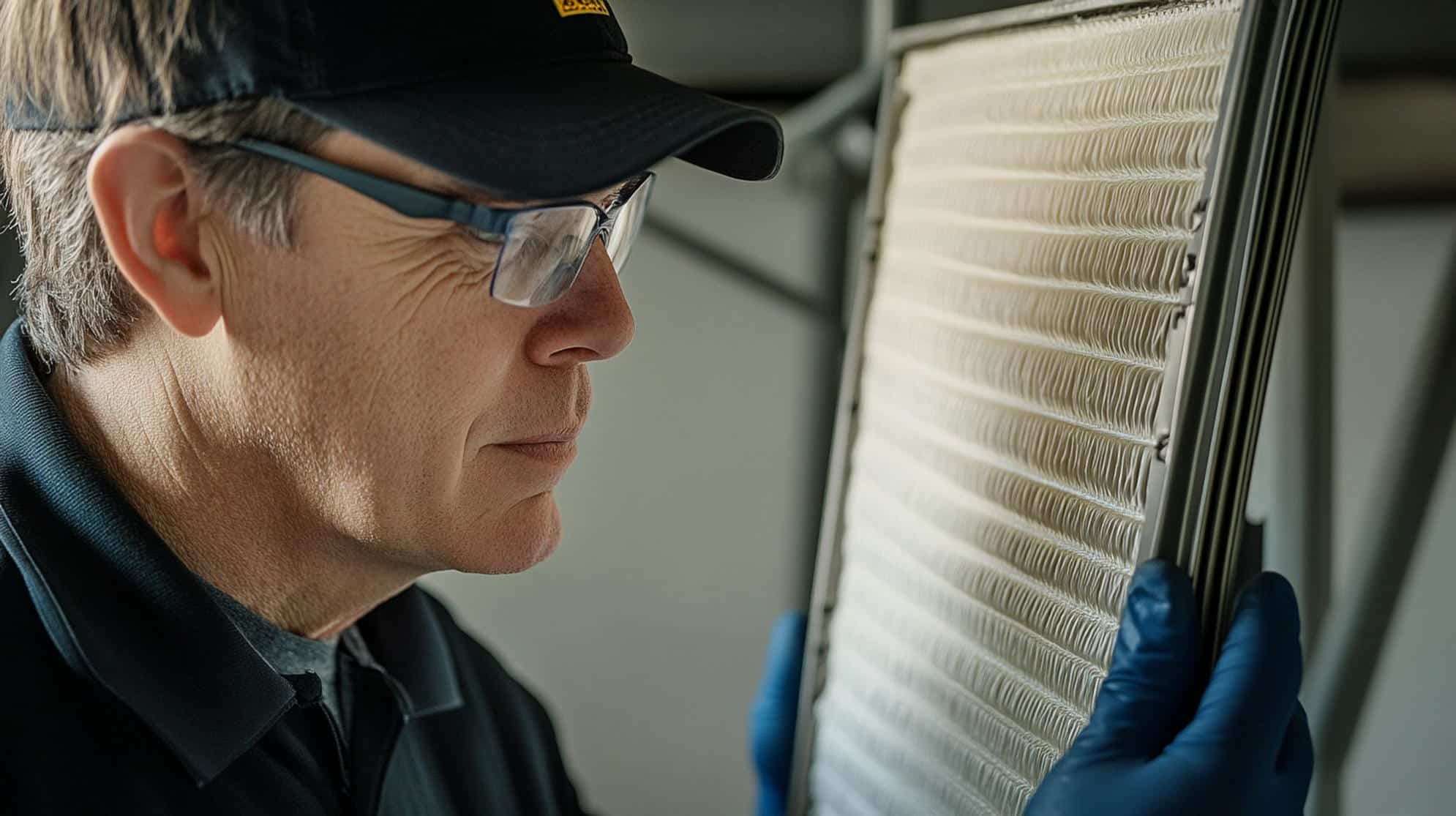
You’ve seen the ads for “whole house duct cleaning,” but what does that phrase actually mean for your home? Most Guilford County homeowners want to know exactly what they’re paying for before a technician shows up with a vacuum and starts working. The difference between real whole house duct cleaning and a quick surface job comes down to which components get cleaned—and which get ignored.
Complete duct cleaning means accessing every part of your HVAC system: supply ducts, return ducts, trunk lines, registers, your blower compartment, and the components that most companies skip because they take extra time. It’s not about running a brush through the vents you can see from your couch. It’s about removing years of dust, allergens, and debris from the entire air distribution system that your family breathes from every single day.
Here’s what should actually be included, what drives your cost, and how to tell if you’re getting comprehensive service or just paying someone to clean the easy parts.
Whole house duct cleaning covers your entire air distribution system—not just the vents visible in each room. That means every supply duct pushing conditioned air into your living spaces, every return duct pulling air back to your HVAC unit, and all the components connecting them.
A legitimate whole house cleaning includes your supply and return air ducts, registers, grilles, and diffusers. It covers your trunk lines—the main ductwork that branches into smaller ducts throughout your home. Your blower compartment needs cleaning too, along with the air handling unit housing, accessible plenum areas, and in many cases, your heating and cooling coils.
If a company says they’re doing “whole house” work but only touches your vents and skips the trunk lines or blower, you’re not getting what you paid for. Your HVAC system is connected. Cleaning one section while leaving contaminated areas untouched just means dirty air recirculates within days, and you wasted your money.
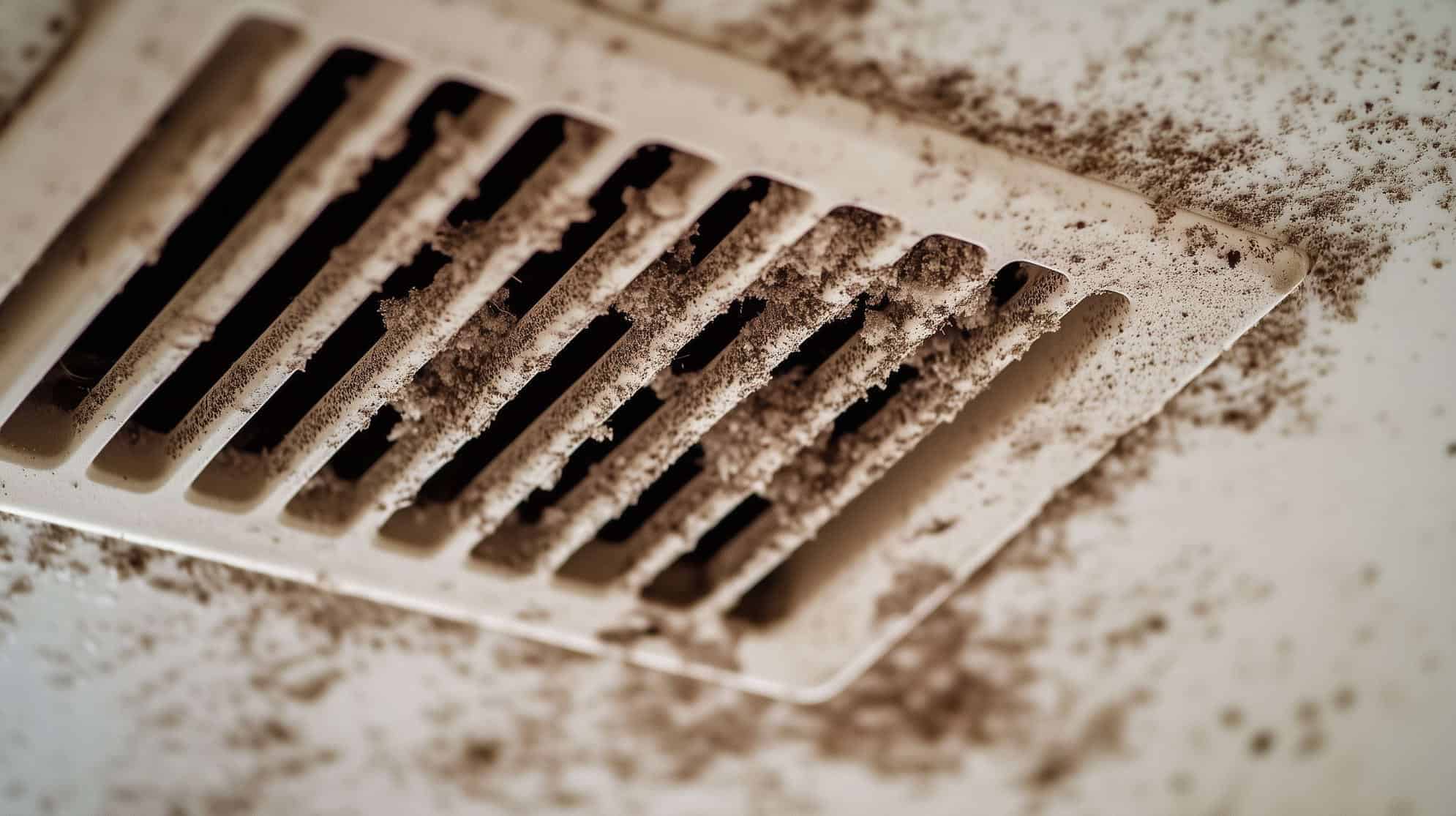
Your HVAC system relies on two types of ductwork, and both collect different contaminants that affect your air quality. Supply ducts distribute heated or cooled air from your system into each room. These ducts accumulate dust, construction debris, and anything that slipped past your air filter. When supply ducts are clogged, airflow drops and certain rooms don’t get proper heating or cooling no matter how hard your system works.
Return ducts pull air from your living spaces back into the system for reconditioning. These ducts tend to collect lint, pet dander, cooking odors, and household dust because they’re drawing directly from the air you’re living in. When return ducts are dirty, your HVAC system essentially recycles contaminated air through your home every time it runs. You’re not getting fresh air—you’re getting the same dust and allergens on repeat.
Proper whole house duct cleaning addresses both systems. Technicians access your supply vents—typically the smaller vents in bedrooms, living areas, and hallways—and your return vents, which are usually larger, fewer in number, and often located in central areas or hallways. Both need physical cleaning with brushes, air whips, and negative pressure vacuuming to actually remove buildup rather than just pushing it around.
Some companies price supply and return vents separately. Supply vents generally cost less per vent because there are more of them and they’re easier to access. Return vents might cost more individually, but most homes only have a handful. Make sure your quote covers both types, or you’re only getting half your system cleaned.
The goal is source removal—physically extracting contaminants from your ductwork instead of blowing debris around or covering up odors with chemical sprays. When both supply and return ducts are clean, your HVAC system can circulate actual fresh air instead of pushing the same particles through your Guilford County home day after day.
This is where many duct cleaning companies take shortcuts. Your trunk lines are the main ducts branching from your HVAC unit that feed into the smaller ducts leading to individual rooms. These trunk lines collect years of dust, debris, and in older Guilford County homes, construction materials left behind during installation or past renovations.
When trunk lines don’t get cleaned, all that contamination sits there waiting to blow into your freshly cleaned supply ducts the next time your system kicks on. You’ve essentially mopped the floor but left a pile of dirt in the corner. Within a week, everything’s dirty again and you’re wondering why you bothered paying for duct cleaning.
The plenum is your central distribution box where main trunk lines connect to your HVAC unit. When accessible, this area should be cleaned. It’s a collection point for debris and often contains dust that’s been sitting there since your system was installed. Skipping the plenum means ignoring a major contamination source.
Your blower compartment houses the fan motor that pushes air through your entire duct system. This compartment collects dust on the blower wheel, motor housing, and surrounding surfaces. A dirty blower works harder to move air, which reduces efficiency and can shorten your equipment’s lifespan. Cleaning this component improves airflow and takes strain off your system—which means lower energy bills and fewer repair calls.
Some homes have accessible heating and cooling coils that benefit from cleaning during duct service. These coils can harbor mold if moisture is present, and dirty coils reduce your system’s ability to heat or cool effectively. Not every duct cleaning automatically includes coil cleaning, but it’s worth asking about if you’ve noticed reduced performance or musty smells when your HVAC runs.
The difference between surface cleaning and comprehensive work comes down to access. Legitimate companies cut access holes in ductwork when needed to reach deep into trunk lines and plenums. They seal those holes properly when finished. Companies that only clean what they can reach through existing vents aren’t completing the job, regardless of what they advertise.
In Guilford County, where many homes have crawl space ductwork and older systems, proper access is even more critical. Technicians who understand local home construction know how to reach difficult areas without damaging your system. Companies rushing through jobs or using inadequate equipment leave contamination behind and call it “whole house cleaning.”
Want live answers?
Connect with a Clean Air LLC expert for fast, friendly support.
Professional duct cleaning isn’t about pointing a vacuum at your vents for twenty minutes. It’s a systematic process using specialized equipment to physically remove contaminants from your entire HVAC system. The work starts with an inspection—often offered free in Guilford County—where technicians assess your duct system, check contamination levels, and identify mold, pests, or damage that needs attention before cleaning begins.
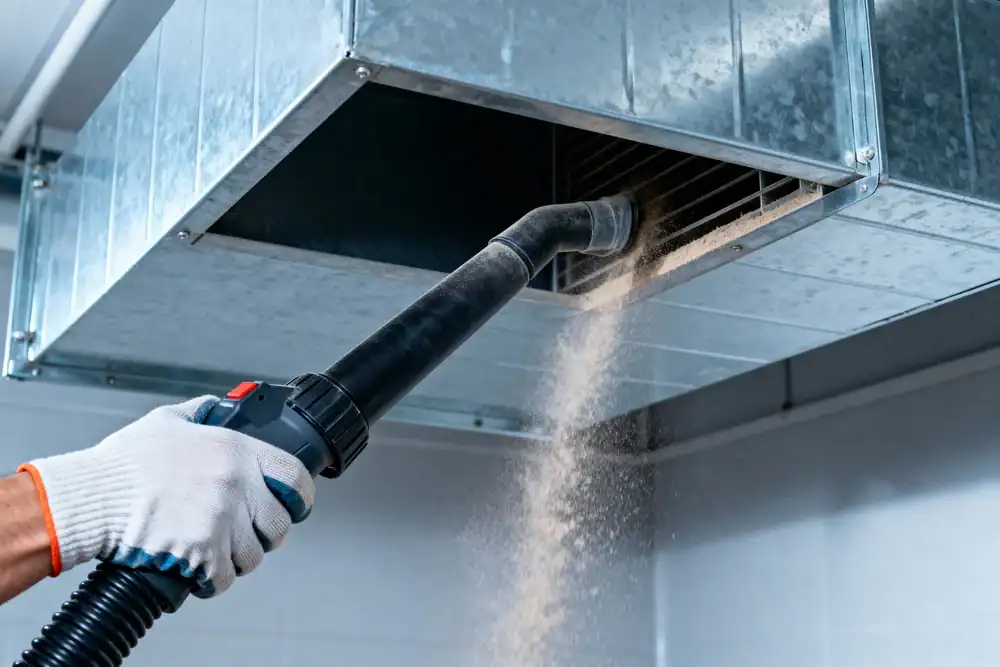
Once the scope is clear, technicians seal your vents and create negative pressure throughout your duct system using powerful HEPA vacuums. While the vacuum pulls air through your ducts, agitation tools like rotating brushes, air whips, and compressed air nozzles loosen debris stuck to duct surfaces. The vacuum captures everything instead of blowing it into your living spaces or just moving it around inside your ducts.
After cleaning, reputable companies verify their work. This usually involves visual inspection—often with cameras—to confirm contaminants were actually removed. Some provide before-and-after photos showing exactly what came out of your system. Without verification, you’re taking it on faith that the work was done properly, which isn’t good enough when you’re spending hundreds of dollars.
Whole house duct cleaning in Guilford County, NC typically costs between $450 and $1,000 for most homes, though your specific quote depends on factors that directly affect how much time and equipment the job requires. Pricing isn’t arbitrary—it reflects the real work involved in cleaning your particular system.
Home size is the primary cost driver. A 1,200-square-foot home has far less ductwork than a 3,000-square-foot house, which means less labor time and fewer materials. Some companies charge per square foot (usually $0.15 to $0.40), while others price per vent ($25 to $50 for supply vents, $40 to $75 for returns). Flat-rate pricing is common for average-sized homes.
The number of vents directly impacts your cost if you’re quoted per-vent pricing. Count your supply vents—the smaller ones in each room—and your return vents, which are typically larger and fewer. Multiply by the per-vent rate for a rough estimate. Just make sure per-vent pricing includes actual cleaning of the ductwork behind those vents, not just wiping down the cover.
System complexity adds cost. Multiple HVAC units, custom ductwork layouts, or zoned systems that require separate cleaning mean higher prices. Homes with ductwork running through tight crawl spaces, high attics, or behind finished walls take longer to access and clean, which increases labor time and cost.
Contamination level matters. If your ducts haven’t been touched in fifteen years, or you’re dealing with heavy pet hair, excessive dust, mold, or rodent droppings, the job takes significantly longer. Technicians need extra time to remove severe buildup, and you might need additional services like mold remediation or sanitization that add to your total.
Ductwork type affects pricing too. Flex ducts require gentler cleaning methods and specialized equipment compared to rigid metal ducts, so they often cost more to service. Older ductwork with interior lining materials needs careful handling to avoid damage, which can extend cleaning time.
Additional services like dryer vent cleaning, antimicrobial treatments, or filter replacement are often offered during duct cleaning visits. These can be valuable add-ons if you actually need them, but they should be clearly itemized in your quote—not surprise charges that appear after work starts.
Watch out for quotes that seem impossibly low. When someone offers “whole house duct cleaning for $99,” they’re either planning aggressive upselling once they’re inside your home, or they’re doing surface-level work that won’t actually clean your system. Real whole house duct cleaning costs what it costs because it requires professional-grade equipment, trained technicians, and several hours of labor. Companies advertising rock-bottom prices are cutting corners on the work or planning to hit you with hidden fees once you’ve committed.
In Guilford County, where homes range from newer construction in subdivisions to older houses with unique ductwork challenges, getting a custom quote after an inspection is the only way to know your real cost. Companies offering instant quotes over the phone without seeing your home are guessing—and those guesses rarely match what you’ll actually pay.
There’s no one-size-fits-all answer for duct cleaning frequency, but industry standards and your home’s specific conditions give you a clear framework. The National Air Duct Cleaners Association recommends cleaning every 3 to 5 years for typical homes. That’s a solid baseline if you don’t have circumstances pushing you toward more frequent service.
Your household and environment determine where you fall in that range. Homes with pets deal with fur and dander accumulating in ductwork faster than pet-free houses. If you have multiple shedding pets, cleaning every 2 to 3 years makes more sense than waiting the full 5 years and dealing with clogged ducts and reduced airflow.
Allergy and asthma sufferers usually benefit from more frequent cleaning. Dust mites, pollen, mold spores, and other allergens trapped in dirty ducts get recirculated through your home every time your HVAC runs. That constant exposure worsens symptoms. Cleaning every 2 to 3 years reduces those triggers and improves indoor air quality for sensitive family members.
Recent renovations or remodeling mean you need cleaning sooner than your regular schedule. Construction creates enormous amounts of drywall dust, sawdust, and debris that infiltrates ductwork even when you seal off work areas. That dust doesn’t settle—it circulates through your home every time your system runs. Cleaning immediately after renovations prevents months of breathing construction particles.
New homeowners often skip duct cleaning, but it’s worth considering when you move in. You don’t know the previous owner’s maintenance habits, whether they had pets, or if they smoked indoors. If there’s no record of recent cleaning, a free inspection shows you what you’re working with and whether service is needed before you settle in.
Visible signs tell you when cleaning is overdue regardless of your last service date. Dust puffing from vents when your HVAC kicks on means your ducts are contaminated. Dust accumulating on furniture within days of cleaning indicates your ductwork is the source. Musty odors when your system runs can signal mold growth. Allergy symptoms that improve when you leave home but worsen indoors suggest airborne contaminants circulating through dirty ducts.
Some situations require immediate cleaning rather than waiting for your regular schedule. Mold growth, water damage, pest infestations, or fire and smoke damage all need professional attention before your system is safe to use. These aren’t routine maintenance—they’re urgent health and safety issues.
Between professional cleanings, you can keep ducts cleaner longer by changing HVAC filters every 2 to 3 months (more often with pets), vacuuming regularly near vents, and scheduling annual HVAC maintenance to catch problems early. These habits reduce debris entering your ductwork, which means professional cleanings stay effective longer and you might stretch that 3-to-5-year window toward the longer end.
Whole house duct cleaning should mean your entire HVAC system gets cleaned properly—not just the parts that are convenient to reach. When you understand what’s supposed to be included, you can ask the right questions before hiring and avoid companies that cut corners or charge premium prices for incomplete work.
Look for companies offering free inspections so you see what’s actually in your ducts before committing to service. Verify they’re NADCA certified and follow industry standards for source removal and negative pressure cleaning. Request a written scope detailing exactly which components will be cleaned, and ask for before-and-after documentation proving the work was completed.
Your indoor air quality and your HVAC system’s efficiency both depend on clean ductwork. When you’re ready for comprehensive duct cleaning that actually covers your whole house, we’ve served Guilford County families for over 30 years with transparent pricing, professional equipment, and the local expertise to handle everything from standard systems to older homes with unique challenges.
Summary:
Share: