
Contact Info
- Greensboro, NC 27406
- Call: 336-707-0498
- Text: 336-707-0498
-
Mon - Fri: 8am - 4pm
Sat - Sun: Closed
Contact Info
Discover how French drain installation creates a barrier between groundwater and your crawl space, protecting your home's air quality and structural integrity.
If you’ve noticed musty smells in your home, spotted standing water under your house after heavy rain, or felt like your AC never quite keeps up with the humidity, the problem might not be in your living space at all. It’s what’s happening underneath.
Your crawl space plays a bigger role in your home’s health than most people realize. When moisture accumulates down there, it doesn’t stay put. It rises into your home, bringing mold spores, humidity, and a host of problems that affect the air you breathe every single day.
French drain installation addresses moisture at its source, creating a pathway for water to exit before it ever becomes a problem. Here’s how exterior drainage protects not just your foundation, but your indoor air quality too.
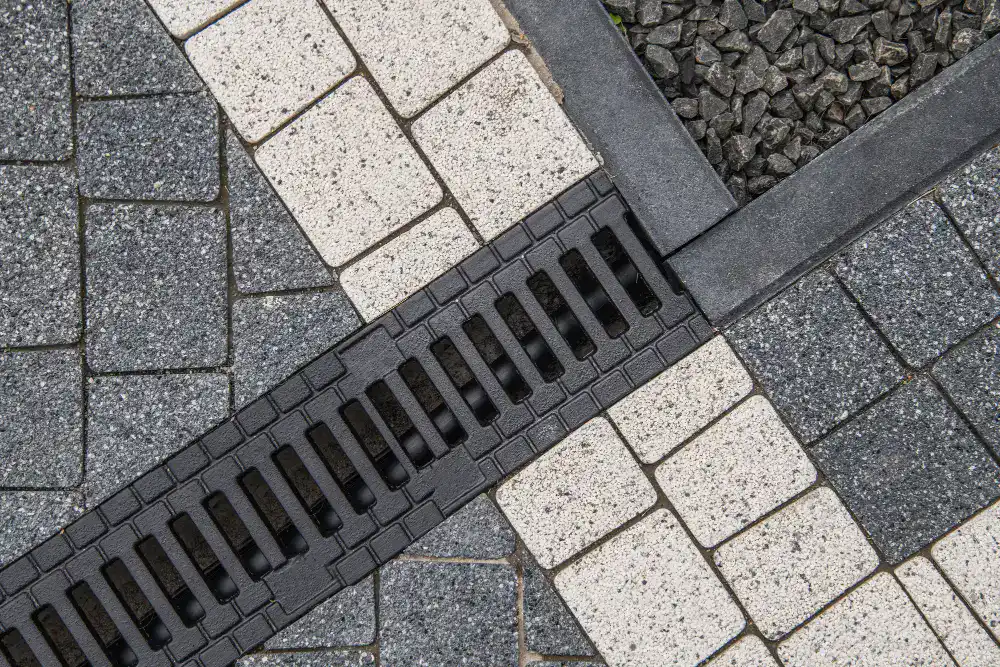
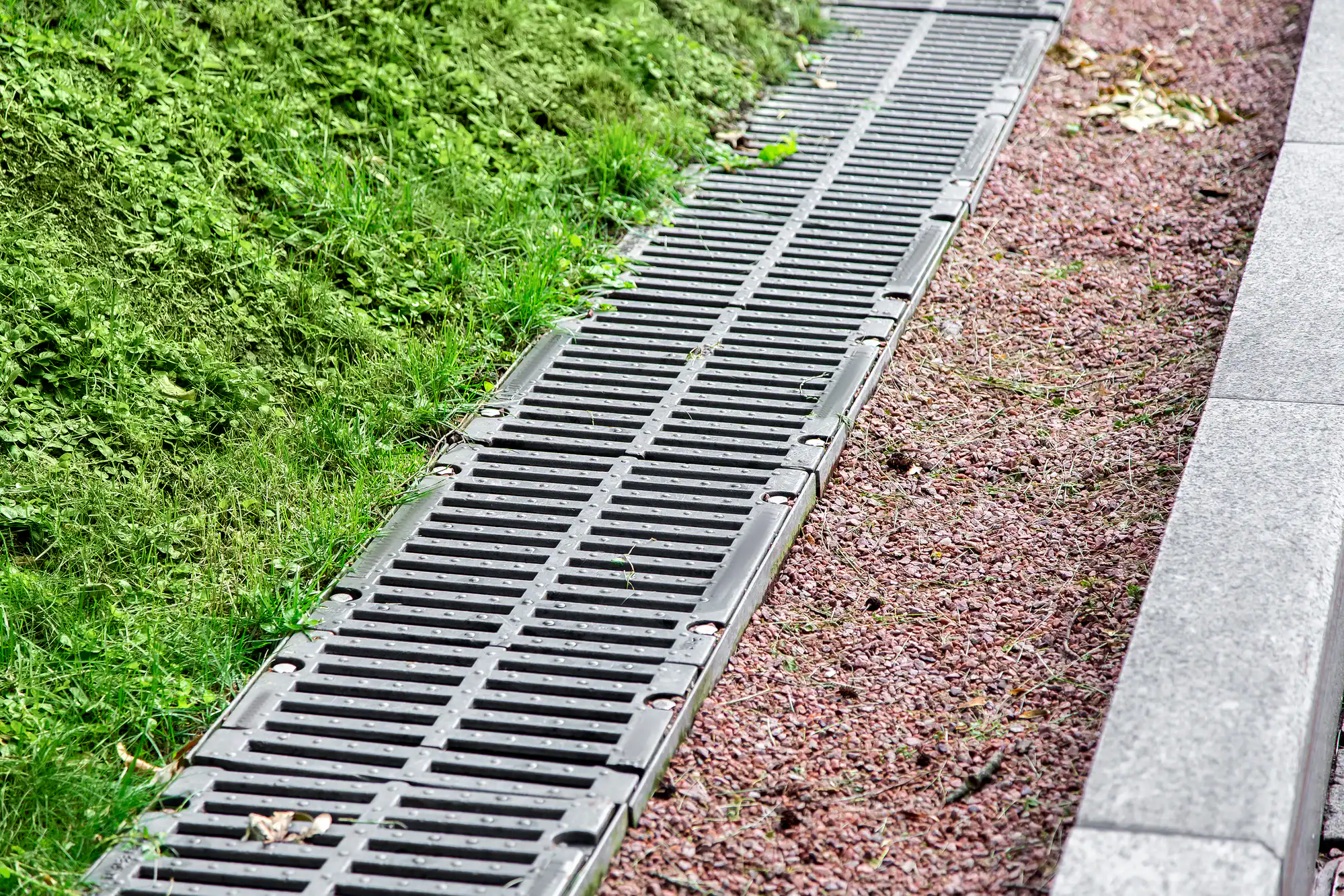
A French drain is a trench-based drainage system designed to intercept and redirect groundwater away from your crawl space before it seeps inside. The system consists of a perforated pipe surrounded by gravel, installed along the perimeter of your crawl space at a depth that allows it to capture water as it moves through the soil.
Water naturally follows the path of least resistance. When it encounters the gravel-filled trench, it flows into the perforated pipe instead of pooling against your foundation or saturating the soil beneath your home. From there, the pipe channels that water to a sump pump or drainage area where it’s safely discharged away from your property.
The beauty of French drain installation is that it works continuously without any action on your part. Gravity does most of the work, and when combined with a sump pump system, you get reliable protection even during Guilford County’s heaviest rainstorms.
You might be wondering why drainage outside your home matters when the moisture problem is inside your crawl space. The answer is simple: by the time water reaches your crawl space, it’s already too late to prevent the damage.
Exterior French drain installation stops water before it ever gets close to your foundation. When groundwater saturates the soil around and beneath your home, it creates hydrostatic pressure that forces moisture through foundation walls, floor seams, and any other vulnerable point. That pressure doesn’t just bring water. It brings the conditions for mold growth, wood rot, and structural instability.
In Guilford County, NC, where we average 45 inches of rainfall per year and deal with clay-heavy soils that retain moisture, that pressure builds up fast. Clay soil expands when wet and contracts when dry, creating a cycle that puts constant stress on your foundation. A French drain relieves that pressure by giving water somewhere else to go.
Once moisture enters your crawl space, it evaporates into the air. That humid air doesn’t stay contained. Through a process called the stack effect, it rises into your living space, carrying mold spores, musty odors, and allergens with it. Studies show that up to 50% of the air in your home comes from your crawl space. If that air is damp and contaminated, your indoor air quality suffers no matter how clean you keep the rest of your house.
French drain installation addresses the root cause instead of just managing symptoms. It keeps your crawl space dry by preventing water from accumulating in the first place, which means cleaner air throughout your entire home.
Mold doesn’t need much to thrive. It needs moisture, organic material to feed on, and temperatures between 40 and 100 degrees. Your crawl space offers all three in abundance when water is present.
When standing water or persistent dampness exists under your home, mold colonies establish quickly. They grow on floor joists, insulation, and any wooden structures they can reach. As they grow, they release spores into the air. Those spores are light enough to become airborne, and when warm air rises from your crawl space into your living areas, it carries those spores with it.
The health effects aren’t minor. Mold exposure can trigger allergies, asthma attacks, respiratory issues, and a range of symptoms that many people don’t connect to their home environment. Nasal stuffiness, throat irritation, coughing, wheezing, and eye irritation are all common reactions according to the CDC.
French drain installation eliminates the moisture that mold needs to survive. When your crawl space stays dry, mold can’t establish a foothold. Humidity levels drop from the dangerous 70-80% range down to safe levels below 55%, creating an environment where mold simply can’t grow.
This isn’t just about preventing new mold growth. Dry conditions also stop existing mold from reproducing and releasing more spores. While French drains don’t remove mold that’s already present, they create the conditions necessary for proper remediation and prevent future growth after cleanup.
The connection between exterior drainage and interior air quality is direct. Water outside leads to moisture inside, which leads to mold, which leads to contaminated air throughout your home. French drain installation breaks that chain at the very first link.
Want live answers?
Connect with a Clean Air LLC expert for fast, friendly support.
Not every home needs a French drain, but if you’re experiencing certain warning signs, it’s worth investigating. The challenge is that crawl space problems often develop slowly, and by the time you notice symptoms in your living space, the issue underneath has been building for months or even years.
Standing water after rain is the most obvious indicator. If you see puddles or muddy areas in your crawl space following heavy storms, water is finding its way in and has nowhere to go. Even if it eventually evaporates, that moisture is saturating the air and creating humidity problems.
Musty odors that won’t go away point to moisture issues even when you can’t see standing water. That smell is often the first sign of mold growth or mildew developing on damp surfaces. If the smell gets stronger during humid weather or after it rains, your crawl space is likely the source.
Moisture damage doesn’t just affect air quality. It compromises your home’s structural integrity in ways that become visible upstairs.
Sagging or bouncy floors often indicate that the wooden support beams and floor joists in your crawl space have absorbed moisture and begun to weaken. Wood is a natural material that expands when wet and contracts when dry. Over time, that cycle causes warping, rot, and structural failure. When the supports beneath your floor lose strength, you feel it above.
Doors and windows that stick or won’t close properly can signal foundation movement caused by soil moisture. When clay soil beneath your home swells with water, it creates pressure that shifts your foundation. When it dries and contracts, it creates voids that allow settling. This movement throws your home’s frame out of alignment, making doors and windows bind in their frames.
Cracks in walls or ceilings, especially if they appear near corners or run diagonally, suggest foundation issues related to moisture and soil movement. While small hairline cracks are normal in any home, larger cracks that widen over time indicate ongoing stress.
High humidity throughout your home despite running your AC constantly points to moisture entering from below. If you’re setting your thermostat to 72 or lower just to feel comfortable, or if you see condensation forming on windows and cold surfaces, your crawl space is likely introducing excess humidity that your HVAC system can’t keep up with.
Visible mold on walls, especially in lower-level rooms, indicates that moisture has been present long enough for colonies to establish. Mold on interior surfaces means the conditions underneath are even worse.
Professional French drain installation starts with assessment, not sales. We inspect your crawl space to identify where water is entering, how much moisture is present, and what drainage solution makes sense for your specific situation.
Every home is different. The slope of your property, the type of soil, the depth to groundwater, and the layout of your crawl space all influence how a French drain should be designed and installed. With over 30 years of experience in Guilford County, NC, we understand how clay soil behaves, where water tends to accumulate, and what drainage capacity you need to handle our rainfall patterns.
Installation typically involves digging a trench around the perimeter of your crawl space at the appropriate depth, usually between 8 and 24 inches depending on your specific needs. The trench is lined with landscape fabric to prevent soil from clogging the system, then filled with gravel to create a porous channel for water flow.
A perforated pipe is placed in the gravel bed with the perforations facing down, allowing water to enter from below as it rises through the soil. The pipe is sloped to ensure water flows toward a collection point, either a sump pump basin inside your crawl space or a discharge point outside your home where water can safely drain away.
For most homes, the system connects to a sump pump that activates automatically when water reaches a certain level. The pump then discharges that water through a pipe that carries it well away from your foundation, preventing it from simply circulating back toward your home.
The entire installation usually takes one to three days depending on the size of your crawl space and the complexity of the drainage needed. A properly installed French drain can last for decades with minimal maintenance, making it a long-term solution rather than a temporary fix.
The investment typically ranges from a few thousand dollars to more depending on your home’s specific requirements, but that cost prevents tens of thousands in potential damage from moisture-related foundation repairs, mold remediation, and structural work down the line.
The connection between exterior drainage and interior air quality isn’t always obvious until you understand how your home works as a system. Water outside becomes moisture inside, which becomes mold, which becomes contaminated air throughout your living space. French drain installation breaks that cycle at the source.
When groundwater has a clear path away from your foundation, your crawl space stays dry. When your crawl space stays dry, mold can’t grow, wood stays strong, and the air rising into your home stays clean. It’s a straightforward solution to a problem that affects everything from your family’s health to your home’s structural integrity.
If you’re dealing with musty smells, high humidity, standing water, or any of the warning signs we’ve covered, don’t wait for the problem to get worse. We’ve been helping homeowners in Guilford County, NC protect their crawl spaces and improve their indoor air quality for over 30 years. We understand the specific challenges our climate and soil create, and we know how to solve them permanently.
Summary:
Share: