
Contact Info
- Greensboro, NC 27406
- Call: 336-707-0498
- Text: 336-707-0498
-
Mon - Fri: 8am - 4pm
Sat - Sun: Closed
Contact Info
Hiring the right contractor in Greensboro means knowing how to verify licenses, check credentials, and spot red flags before signing anything.
You’ve got a project in mind. Maybe it’s finally fixing that crawl space moisture issue, upgrading your HVAC system, or tackling a full kitchen renovation. The work itself isn’t the hard part anymore—it’s finding someone you can actually trust to do it right.
In Guilford County alone, hundreds of homeowners report issues with contractors every year. Some disappear mid-project. Others weren’t licensed to begin with. A few do shoddy work that fails inspection. And all of them took money upfront.
Here’s what you need to know about finding licensed contractors near you, what credentials actually matter, and how to verify everything before you sign a single document or hand over a deposit.
North Carolina doesn’t mess around when it comes to contractor licensing. If your project costs $40,000 or more, state law requires your general contractor to hold a valid license issued by the NC Licensing Board for General Contractors. Not a business license. Not a trade certification. An actual state-issued general contractor license.
Most homeowners don’t know this until they’re knee-deep in estimates and someone mentions permits. By then, you might’ve already wasted time talking to people who can’t legally do the work.
The license requirement exists for a reason. It means the contractor has proven financial responsibility, passed an exam, and agreed to follow state regulations. It also means you have recourse if something goes wrong—unlicensed contractors can’t even file breach of contract claims if you refuse to pay for substandard work.
Getting a North Carolina contractor license isn’t just filling out paperwork. The state requires contractors to meet specific financial thresholds, pass examinations, and maintain certain standards throughout their careers.
For a limited license—which covers projects up to $750,000—contractors need to demonstrate $17,000 in working capital or $80,000 in net worth. They can also post a surety bond instead. The intermediate license bumps that project limit to $1.5 million, and unlimited licenses have no cap at all.
Beyond the money, contractors have to register their business with the NC Secretary of State, obtain a tax ID number, and pass a comprehensive exam administered through PSI. The whole process takes several weeks, and the licensing board reviews every application to verify qualifications.
Here’s what matters to you as a homeowner: this vetting process weeds out fly-by-night operations. Someone who’s gone through the expense and effort of getting properly licensed has skin in the game. They’re not disappearing after taking your deposit.
You can verify any contractor’s license status in about two minutes. Go to the NC Licensing Board for General Contractors website and use their search tool. Enter the contractor’s name or license number. You’ll see their license status, classification level, and whether they’re in good standing. You can also call the board directly to verify credentials.
Don’t skip this step. The state estimates over 100,000 unlicensed contractors operate in North Carolina. Some are honest people doing small jobs under the legal threshold. Others are scammers specifically targeting homeowners who don’t know to check credentials.
If you’re hiring for specialized work—electrical, plumbing, HVAC—those trades have separate licensing requirements through different state boards. Electricians go through the NC Board of Examiners of Electrical Contractors. Plumbers and HVAC techs are licensed through the NC State Board of Examiners of Plumbing, Heating, and Fire Sprinkler Contractors. Same verification process: look them up online or call to confirm.
Online reviews tell you what happened on specific jobs. BBB accreditation tells you how a business operates across the board. There’s a difference, and it matters when you’re trusting someone with a five-figure project.
The Better Business Bureau doesn’t just hand out accreditation to anyone who asks. Businesses have to apply, undergo evaluation, and commit to upholding BBB’s standards of trust. That means advertising honestly, being transparent about pricing, honoring promises, responding to customer concerns, and safeguarding privacy.
More importantly, BBB-accredited businesses agree to work with the bureau to resolve complaints. If something goes wrong, you have a structured process for getting it fixed. That’s leverage you don’t get with a random contractor you found on a Facebook ad.
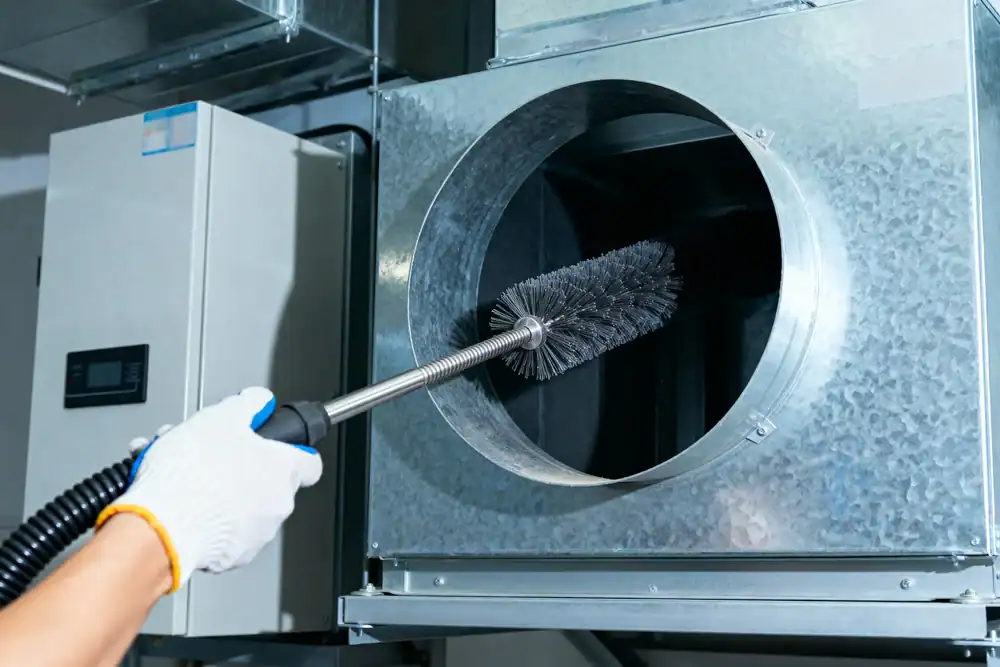
Beyond BBB, look for industry-specific certifications that prove expertise. If you’re hiring for duct cleaning or indoor air quality work, NADCA certification matters. The National Air Duct Cleaners Association sets standards for how duct cleaning should be done—the equipment used, the process followed, the contaminants removed. NADCA-certified contractors have been trained and commit to those standards.
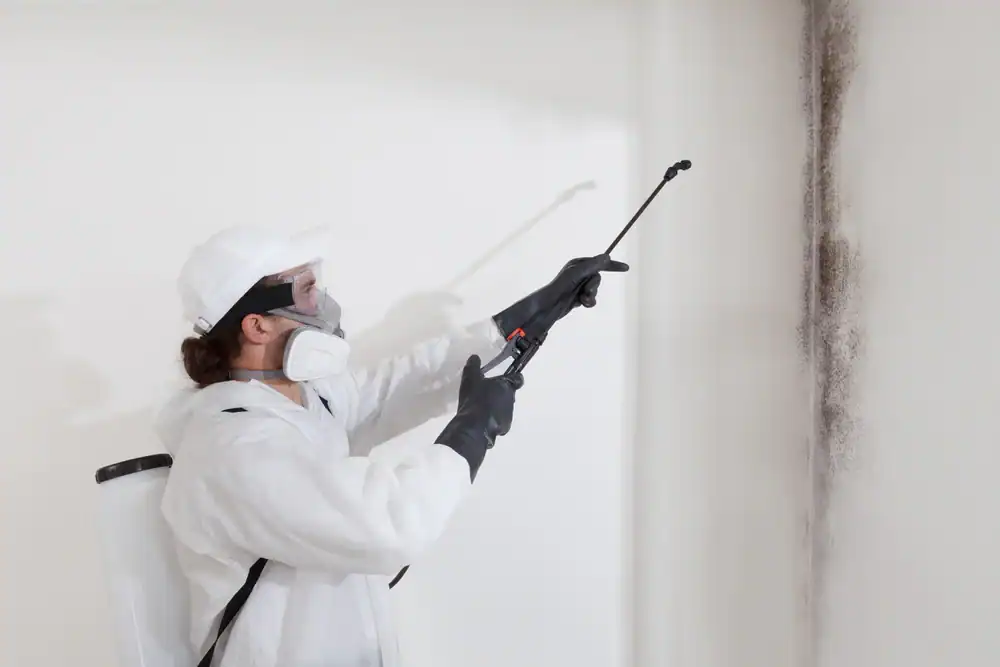
For mold remediation, IICRC certification is the gold standard. The Institute of Inspection, Cleaning and Restoration Certification trains professionals in proper mold assessment and removal techniques. It’s not just about killing mold—it’s about doing it safely without spreading spores throughout your home or creating bigger problems.
These certifications cost money and require ongoing education. Contractors don’t get them by accident. We invest in them because we’re serious about our work and want to differentiate ourselves from competitors who cut corners.
When you’re comparing contractors, ask about their certifications directly. Don’t just take their word for it—verify through the certifying organization’s website. NADCA has a member search tool. IICRC does too. It takes thirty seconds and confirms you’re dealing with someone who’s actually qualified.
Insurance and bonding are the other pieces most homeowners overlook. North Carolina doesn’t require all contractors to carry insurance, but any contractor with three or more employees must maintain valid workers’ compensation coverage. Ask to see proof of insurance. Get the policy number. Call the insurance company to verify it’s active.
Bonding protects you if the contractor doesn’t finish the work or does it improperly. A bonded contractor has essentially put up a financial guarantee that you can claim against if things go sideways. Not all projects require it, but for major renovations, it’s worth asking whether the contractor is bonded and what that bond covers.
Want live answers?
Connect with a Clean Air LLC expert for fast, friendly support.
Some warning signs are obvious. Others are subtle enough that you might not notice until you’re already in trouble. The North Carolina Attorney General’s Office received over 800 reports of home improvement issues in 2021 alone. Most of those homeowners ignored at least one red flag early on.
Door-to-door solicitation after a storm is the biggest one. Legitimate contractors don’t need to knock on doors looking for work—we have more business than we can handle. The people showing up uninvited are usually out-of-state operators who disappear as soon as the insurance checks clear.
Requests for large upfront payments are another giveaway. A reasonable deposit to cover materials makes sense—usually 10 to 20 percent. Anything more than that, especially if they want cash or want the full amount before starting, should make you walk away. The BBB reports this as one of the most common tactics fraudulent contractors use.
The contractors who do quality work expect you to ask questions. We’ve answered them a thousand times, and we’d rather spend five minutes explaining our credentials than deal with a confused or suspicious client later.
Start with the license. Ask for their license number and which classification they hold. Then verify it yourself through the state licensing board. If they hesitate or make excuses about why you don’t need to check, that’s your answer right there.
Ask how long they’ve been in business and whether they have a physical business address. Not a P.O. box. An actual location where you could show up if needed. Long-term local businesses have reputations to protect. Fly-by-night operators use mail drops and change names every few years.
Get references from recent projects similar to yours. Don’t just ask for names—call those references and ask specific questions. Did the contractor show up on time? Did they stay within budget? How did they handle unexpected issues? Would you hire them again?
Ask about permits and who handles them. Professional contractors know which permits are required for your project and take care of pulling them. If a contractor suggests you pull the permits yourself to “save money,” they’re either unlicensed or trying to avoid inspection. Either way, you don’t want them.
Discuss the timeline realistically. Contractors who promise to start immediately or finish impossibly fast are either desperate for work (which raises questions about their reputation) or setting you up for disappointment. Good contractors are booked out weeks or months in advance.
Finally, ask about insurance and get it in writing. You want to see certificates for both liability insurance and workers’ compensation if they have employees. Call the insurance company to verify coverage before any work begins. If someone gets hurt on your property and the contractor isn’t insured, you could be liable.
Verbal agreements mean nothing when there’s a dispute. You need everything in writing, signed by both parties, before any work starts. This isn’t about distrust—it’s about clarity.
A proper contract spells out exactly what work will be done. Not vague descriptions like “kitchen remodel” but specific details: which cabinets, what countertop material, which appliances, how the plumbing will be updated. The more specific, the better.
It should list all costs broken down by labor and materials. You want to know what you’re paying for and why. If the contractor can’t or won’t provide that breakdown, they’re either hiding something or don’t have a clear plan for your project.
Start and completion dates need to be in there, along with what happens if the contractor misses those deadlines. Weather delays happen. Material shortages happen. But you should know upfront how those situations will be handled and whether you’re entitled to any compensation for significant delays.
The contract should specify who’s responsible for permits, inspections, and cleanup. It should detail the payment schedule—how much is due when, and what triggers each payment. Never agree to final payment until you’ve verified the work is complete and passes inspection.
Include warranty information. What’s covered if something breaks or fails after the project is done? For how long? Who do you call, and what’s the process for getting warranty work completed?
North Carolina law gives you a three-day right to cancel certain contracts. If the contractor personally solicited you and the agreement happened somewhere other than their place of business, you can cancel within three business days. The contract must explain this right and how to exercise it. If it doesn’t, that’s a red flag.
Never sign a contract with blank spaces. Unscrupulous contractors have been known to fill those in later with terms you didn’t agree to. If something’s not decided yet, write “TBD” or cross it out—don’t leave it blank.
Read everything before signing. Ask questions about anything unclear. A contractor who gets impatient or pushy about you taking time to review the contract is showing you exactly how they’ll handle problems during the project.
Finding the right contractor comes down to doing your homework before you commit. Verify licenses through the state board. Check BBB ratings and complaint history. Ask for and actually call references. Get everything in writing.
The contractors worth hiring expect this level of scrutiny. We’ve built our reputations on transparency and quality work, and we know that informed clients make better clients.
For homeowners in Greensboro and throughout Guilford County who need specialized services like duct cleaning, crawl space encapsulation, or mold remediation, working with established local companies makes a difference. We’ve served the area for over 30 years with NADCA certification, BBB accreditation, and the kind of track record that comes from doing things right the first time. When your home’s air quality and your family’s health are on the line, that experience matters.
Summary:
Share: