
Contact Info
- Greensboro, NC 27406
- Call: 336-707-0498
- Text: 336-707-0498
-
Mon - Fri: 8am - 4pm
Sat - Sun: Closed
Contact Info
Choosing between a sump pump and French drain depends on your water problem. Learn which system protects your basement and crawl space most effectively.
You’ve got water where it shouldn’t be. Maybe it’s pooling in your crawl space after heavy rain. Maybe your basement smells musty no matter what you do. You’ve heard about sump pumps and French drains, but which one actually solves your problem? The answer isn’t always simple, because these systems work in completely different ways. One actively pumps water out. The other passively redirects it away. Sometimes you need one. Sometimes you need both. Let’s break down what each system does, what it costs, and how to know which drainage solution makes sense for your home.
Before you can choose between these systems, you need to understand what each one does. A sump pump sits in a pit at the lowest point of your basement or crawl space. When water fills the pit to a certain level, the pump kicks on automatically and pushes that water out through a discharge pipe, away from your foundation. It’s an active system that requires electricity to run.
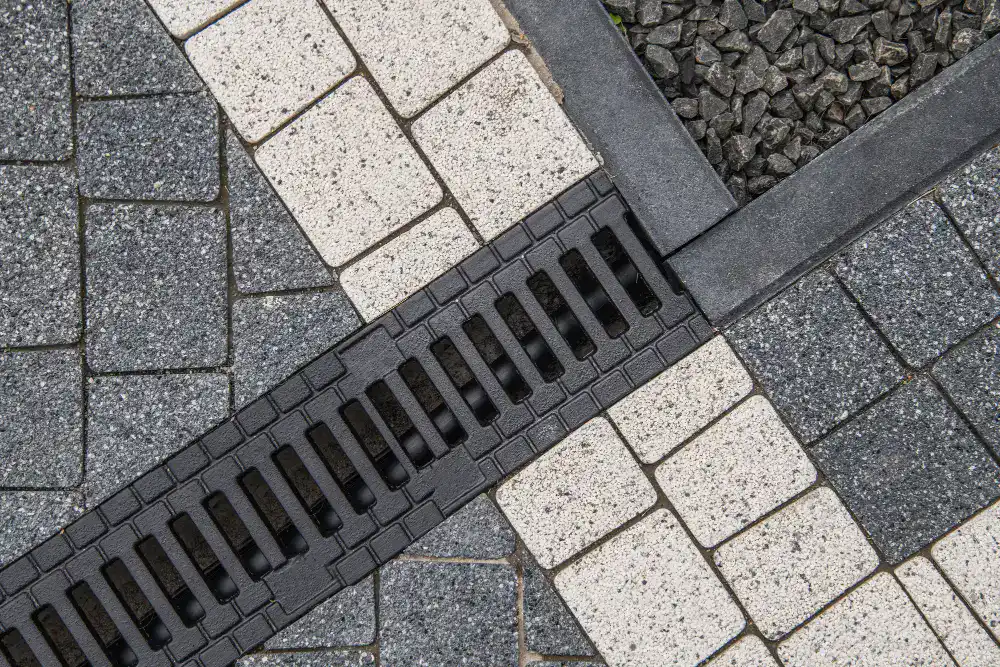
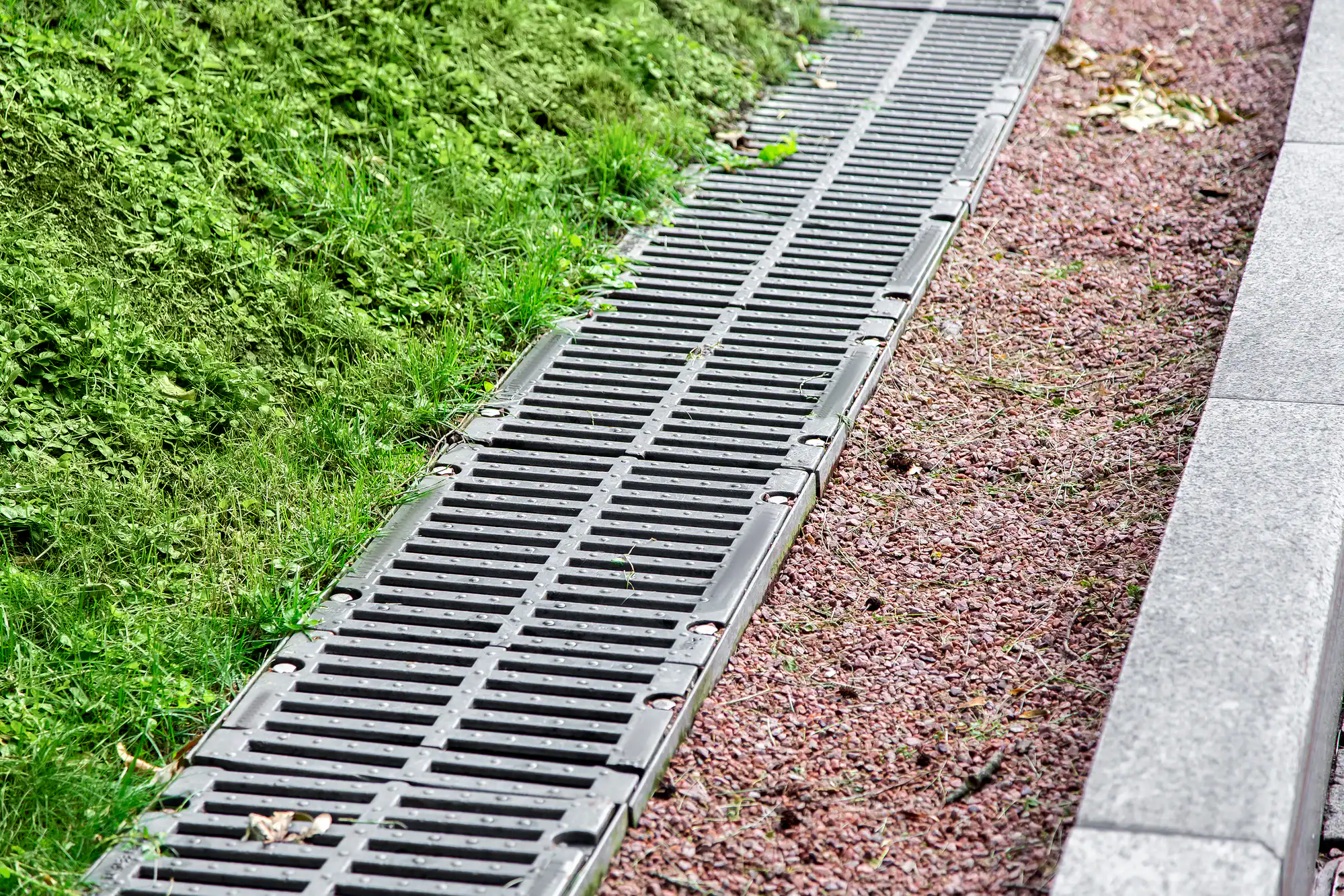
A French drain works differently. It’s a trench filled with gravel and a perforated pipe that collects water and moves it using gravity. No moving parts. No electricity. Water flows into the pipe through small holes, then travels downhill to a safe drainage area. French drains can be installed inside along your basement perimeter or outside around your foundation.
The key difference is timing. Sump pumps remove water that’s already collected in your home. French drains intercept water before it becomes a problem, channeling it away from vulnerable areas.
Sump pumps make sense when you’re dealing with water that’s already getting into your basement or crawl space. If you have a high water table in Guilford County, NC, groundwater pressure can push moisture up through your foundation floor and walls. A sump pump handles this by collecting that water in a basin and actively removing it before it floods your space.
They’re also essential when your property doesn’t have enough natural slope for gravity drainage. Flat yards can’t move water away on their own, so you need mechanical help. Sump pumps work well in these situations because they can push water uphill and out to the street or a drainage area.
The downside is reliability. Sump pumps need electricity to function. During a storm when you need them most, the power might go out. That’s why we and most professionals recommend installing a battery backup system. Without it, you’re vulnerable during outages.
You’ll also need to maintain a sump pump regularly. The float switch can stick. The discharge pipe can freeze in winter. Debris can clog the system. Every few months, you should test the pump to make sure it’s working properly. Most sump pumps last seven to ten years before they need replacement.
Cost-wise, sump pump installation in Guilford County, NC typically runs between $1,200 and $3,000 for a basic system. If you add a battery backup, expect to pay more. You’ll also have ongoing costs for electricity and occasional repairs. But compared to other drainage solutions, the upfront investment is relatively low.
French drains work best when you need to prevent water from reaching your foundation in the first place. If your yard pools with water after every rainstorm, or if you notice moisture seeping through your basement walls, a French drain can intercept that water before it becomes a problem.
These systems rely on gravity, so they work particularly well on properties with any kind of slope. The trench is dug at an angle, and water naturally flows downhill through the perforated pipe to a safe discharge point. No electricity required. No moving parts to break down. Once installed, French drains work continuously without you thinking about them.
In Guilford County, NC’s clay-rich soil, French drains can be especially effective for managing surface water and groundwater around your foundation. The clay here doesn’t drain well on its own, which means water sits against foundation walls and eventually finds its way inside. A properly installed French drain creates a path for that water to flow away instead.
The main advantage of French drains is longevity. When installed correctly, they can last 20 to 40 years with minimal maintenance. You might need to clean out debris every few years, but there’s no pump to replace or electrical components to fail. They keep working during power outages, which matters during severe storms.
The catch is cost and installation complexity. French drains require excavation, which means digging trenches around your foundation or through your basement floor. In Guilford County, NC, installation typically costs between $2,000 and $15,000 depending on the length, depth, and whether you’re installing an interior or exterior system. Exterior French drains cost more because they involve digging around your foundation, potentially disrupting landscaping and requiring heavy equipment.
Interior French drains installed along your basement perimeter are less disruptive but still require breaking up concrete to reach the foundation footings. The job takes longer than sump pump installation and involves more labor. But once it’s done, you have a passive system that handles water management without ongoing attention.
Want live answers?
Connect with a Clean Air LLC expert for fast, friendly support.
When you’re comparing basement waterproofing options, cost matters, but so does effectiveness. A cheaper solution that doesn’t solve your problem just means you’ll pay twice. Sump pumps have lower upfront costs, but French drains often provide better long-term value because they last decades with minimal maintenance.
Most waterproofing professionals will tell you the same thing: these systems work best together. A French drain collects and channels water to a sump basin, and the pump removes it from your home. This combination approach handles both prevention and active removal, giving you comprehensive protection.
In Guilford County, NC, where heavy rainfall and clay soil create persistent moisture challenges, combining both systems makes sense for homes with recurring water problems. The French drain reduces the amount of water reaching your foundation, and the sump pump handles whatever gets through. Together, they create a reliable moisture control system that protects your home year-round.
The real cost of any drainage solution includes maintenance over time. Sump pumps need regular attention. You should test yours every few months by pouring water into the pit to make sure it activates properly. Check the discharge pipe for clogs or freezing in winter. Inspect the float switch to ensure it moves freely. These small tasks prevent failures when you need the system most.
Battery backup systems need checking too. The battery should be tested annually and replaced every three to five years. If you skip this maintenance, your backup won’t work during a power outage, which defeats the purpose of having it.
Sump pumps typically last seven to ten years before replacement. The pump itself costs between $300 and $800, plus installation labor. If you’re paying for a new pump every decade, that adds to your long-term investment.
French drains require less maintenance but aren’t completely hands-off. Over time, debris can accumulate in the perforated pipe, especially if it wasn’t installed with proper filter fabric. You might need professional cleaning every three to five years to keep water flowing freely. Roots can also grow into exterior French drains, though good installation practices minimize this risk.
The advantage is longevity. A well-installed French drain can function for decades without major repairs. There’s no pump to replace, no electrical components to fail, and no ongoing electricity costs. Once you’ve paid for installation, your main expense is occasional cleaning.
When you factor in replacement costs, electricity, and maintenance over 20 years, French drains often cost less than sump pumps despite the higher upfront price. But this calculation changes if you need both systems working together, which many Guilford County, NC homes do.
Choosing between a sump pump and French drain comes down to your specific water problem. If you have standing water in your basement or crawl space right now, a sump pump gives you immediate relief. It removes water that’s already there and keeps removing it as more accumulates.
If your issue is water seeping through foundation walls or pooling around your home’s perimeter, a French drain addresses the source. It intercepts groundwater and surface water before they reach your foundation, reducing hydrostatic pressure that causes cracks and leaks.
For homes in Guilford County, NC dealing with both issues—water getting in and water pooling outside—the combination approach makes the most sense. An interior French drain installed along your basement perimeter collects water at the foundation floor joint. That water flows to a sump basin, where the pump removes it through a discharge pipe. This setup handles water from multiple sources and provides redundant protection.
Your property’s slope also matters. If you have a naturally sloped yard, a French drain can use gravity to move water away effectively. Flat properties need the mechanical assistance of a sump pump to move water uphill and out.
Budget plays a role too. If you need immediate water removal and have limited funds, a sump pump provides quick protection for $1,200 to $3,000. If you’re planning long-term and want a passive system that lasts decades, investing $5,000 to $10,000 in a French drain and sump pump combination gives you comprehensive coverage.
The soil in Guilford County, NC adds another consideration. Clay-rich soil doesn’t drain well, which means water sits against foundations longer. This makes French drains particularly valuable here because they create drainage paths that wouldn’t exist naturally. At the same time, the poor drainage means sump pumps work harder, making battery backup systems essential for reliable protection.
Water problems don’t fix themselves. The longer you wait, the more damage moisture causes to your foundation, your air quality, and your home’s value. Understanding the difference between sump pumps and French drains helps you make an informed decision instead of guessing.
Sump pumps actively remove water that’s already in your basement or crawl space. French drains passively redirect water away from your foundation before it becomes a problem. Most homes with serious moisture issues benefit from both systems working together.
The right choice depends on your specific situation, your property’s characteristics, and your budget. If you’re dealing with water intrusion in Guilford County, NC and need expert guidance on which moisture control system makes sense for your home, we’ve been solving these problems for over 30 years at Clean Air LLC. We’ll assess your situation, explain your options, and install the drainage solution that actually works.
Summary:
Share: