
Contact Info
- Greensboro, NC 27406
- Call: 336-707-0498
- Text: 336-707-0498
-
Mon - Fri: 8am - 4pm
Sat - Sun: Closed
Contact Info
Three contractors. Three different terms. One mold problem. Here's what mold abatement, remediation, and mitigation actually mean — and why it matters before you hire anyone in Guilford County.
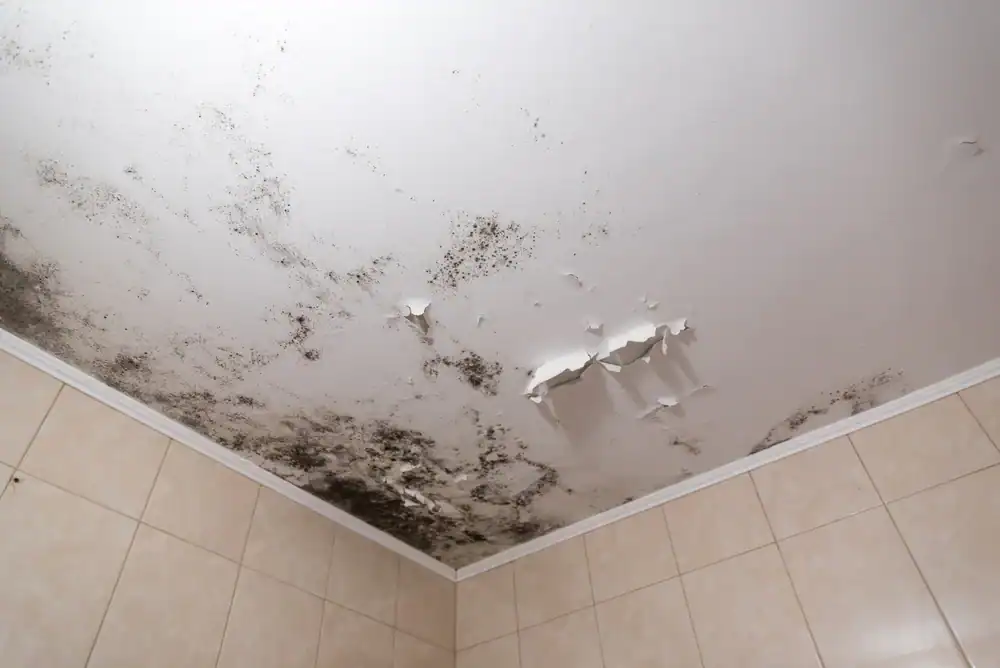
You call three mold contractors. You get three different scopes of work — one calls it abatement, one calls it remediation, one calls it mitigation. The prices are all over the place. You have no idea who’s right or whether any of them are even talking about the same thing.
That’s not a you problem. That’s an industry problem. These terms get used interchangeably in marketing, but they do have distinct meanings that affect what work gets done and what it costs. Understanding the difference before you hire anyone is the single best thing you can do to protect yourself — and your wallet.
Abatement, at its core, means reduction or elimination. In the mold industry, mold abatement refers to stopping the spread of mold and removing what’s already there. It’s the physical act of getting the mold out — containment, removal, and disposal of affected materials.
Mold remediation is a broader term. It includes everything abatement covers, but it also addresses the root cause: the moisture source that allowed mold to grow in the first place. A true remediation doesn’t just remove what’s visible — it corrects the conditions that made growth possible, so the problem doesn’t return six months later.
In practice, most companies use these two terms interchangeably. That’s worth knowing when you’re reading quotes. What matters more than the label is whether the scope of work includes source identification and moisture correction — or just surface treatment.
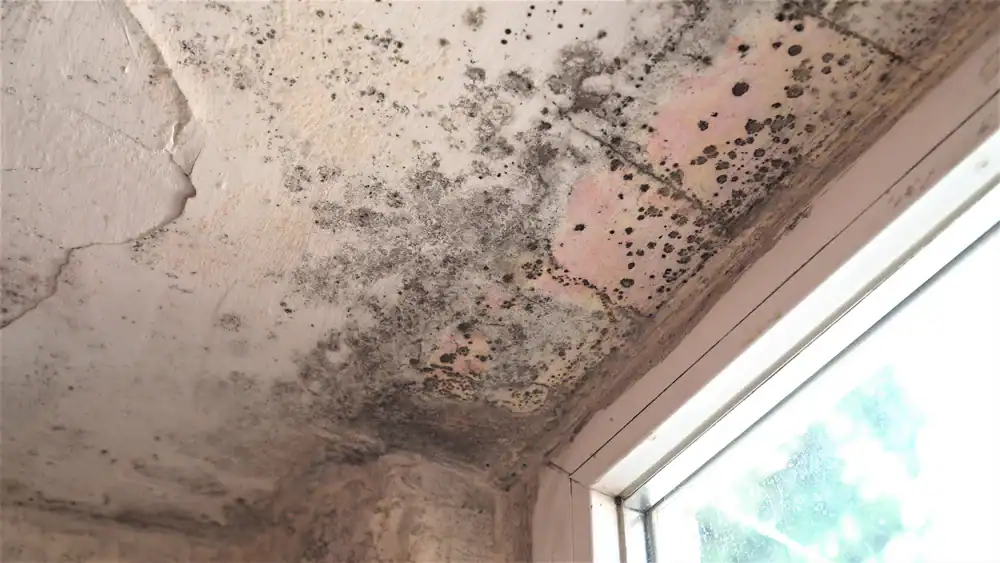
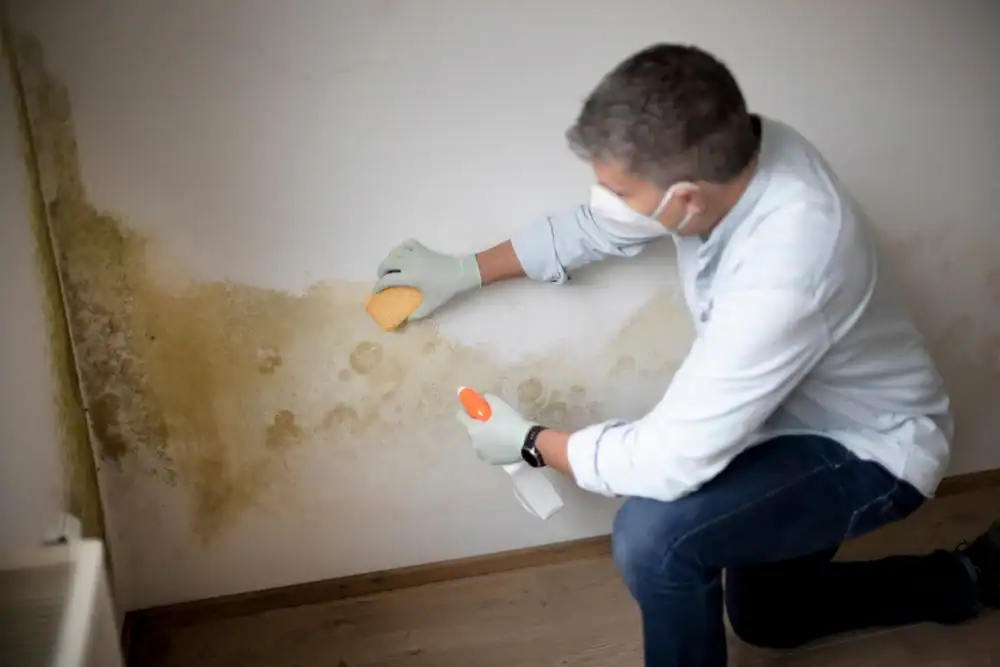
Mold treatment sits somewhere between mitigation and full remediation on the spectrum of intervention. Think of it as the hold-the-line phase — applying antimicrobial agents, controlling humidity, and preventing regrowth after the initial mold has been addressed. It’s not a replacement for remediation, but it plays an important role in keeping a remediated space clean over time.
In the context of HVAC systems and ductwork, mold treatment typically involves HEPA vacuuming to capture spores rather than redistribute them, antimicrobial fogging to treat surfaces inside the duct system, and in some cases UV sanitizing to address what’s left behind. These aren’t cosmetic steps — they’re the difference between a duct system that stays clean and one that reseeds your home with spores every time the air handler kicks on.
This is where credentials matter. Anyone can spray a surface with a store-bought antimicrobial and call it “mold treatment.” What you actually want is a technician trained in the ANSI/IICRC S520 Standard for Professional Mold Remediation — the industry consensus standard that defines how mold work should be done in residential homes. The IICRC’s AMRT credential (Applied Microbial Remediation Technician) is the specific certification tied to this standard. It requires documented training in mold identification, containment procedures, proper removal techniques, and post-remediation verification.
Here’s why this matters in North Carolina specifically: NC has no state licensing requirement for mold remediation. Anyone can legally market themselves as a mold remediation specialist without a single hour of training or a single verifiable credential. That means the IICRC AMRT certification isn’t just a nice-to-have — it’s the primary way consumers can verify that a contractor actually knows what they’re doing.
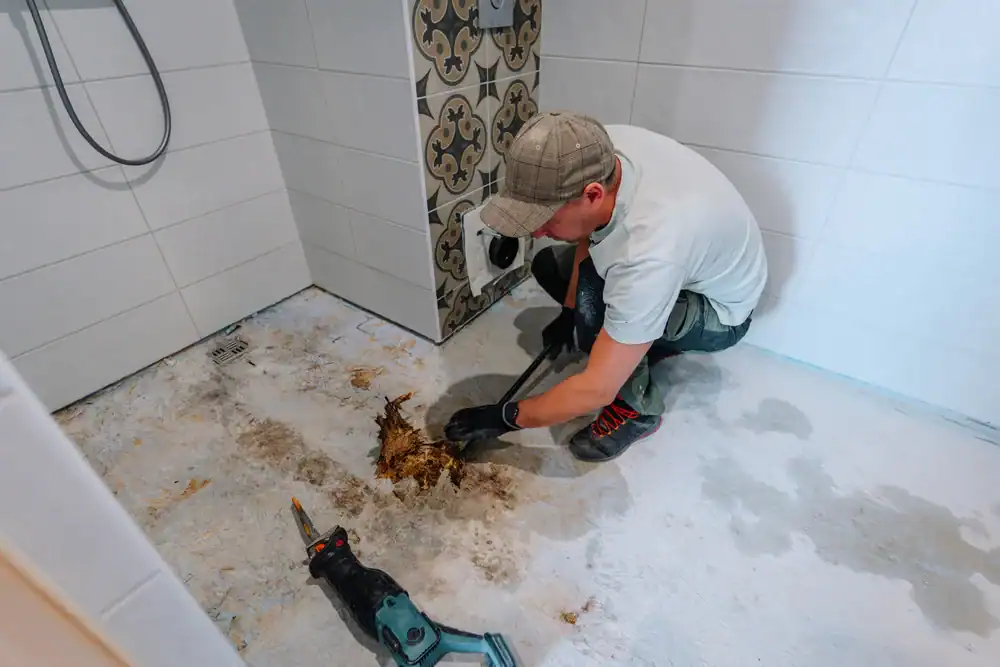
Mold restoration is the phase that follows remediation — and it’s the one most homeowners don’t think about until they’re standing in a gutted bathroom or a crawl space with half the subfloor removed.
When mold has colonized porous materials — drywall, insulation, structural wood — those materials typically have to come out. You can’t treat your way through mold that’s embedded in the structure. Once the affected materials are removed and the space has been properly remediated, mold restoration is the process of rebuilding: replacing drywall, reinstalling insulation, repairing subfloor, and returning the space to livable condition.
Remediation removes the problem. Restoration puts the home back together. They’re sequential phases of a complete mold recovery project, and confusing them is how homeowners end up with a remediated crawl space that’s still a construction zone three months later because no one discussed the rebuild scope upfront.
One thing worth understanding: the S520 standard recommends that the person who inspects and assesses mold should be independent from the company doing the remediation. Similarly, post-remediation verification — confirming the mold is actually gone — is best done by a third party. This separation exists to prevent conflicts of interest. A contractor who inspects, remediates, and verifies their own work has no external check on the quality of what they’ve done. When you’re evaluating proposals, it’s worth asking who will verify the results.
Want live answers?
Connect with a Clean Air LLC expert for fast, friendly support.
Mitigation is about reducing severity and preventing spread — it’s the proactive or early-stage intervention. If you discover a water leak and immediately dry out the affected area before mold has a chance to take hold, that’s mitigation. If mold has already colonized surfaces and you need to remove it, treat the source, and restore the affected materials, that’s remediation.
The practical distinction is timing and scope. Mitigation is what you do to limit the damage. Remediation is what you do to fix it. Many contractors blur the line because the early phases of remediation — containment, drying, stopping the spread — look a lot like mitigation. But a complete remediation goes further: it identifies the moisture source, removes affected materials, treats surfaces, and verifies the results.
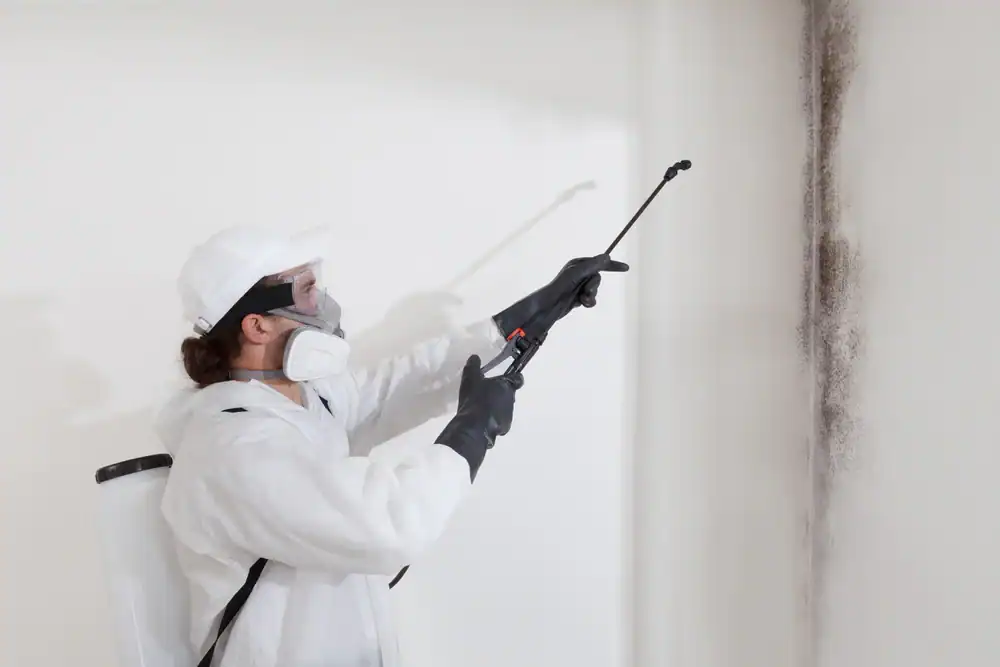
Mold only needs three things to become a serious problem: moisture, a food source, and time. In Guilford County, NC, the first condition is almost always present.
The Piedmont clay soil in Guilford County drains slowly. When heavy summer rains saturate the ground, water doesn’t move away from foundations quickly — it pools, it seeps, it sits. Older neighborhoods like Fisher Park, Sunset Hills, College Hill, and Westerwood are built predominantly on crawl space foundations, and the average home in this area was built around 1985. Vented crawl spaces in aging housing stock, sitting on slow-draining clay soil, in a humid subtropical climate — that’s a combination that creates mold problems more often than most homeowners expect.
The pathway is predictable: water gets under the home, the crawl space stays damp, mold starts growing on the floor joists and subfloor, and then the HVAC system draws that contaminated air up through the return and distributes it through the ductwork into every room. By the time a family notices symptoms — persistent allergy flare-ups, musty odors, respiratory issues that don’t resolve — the mold has often been there for months.
Mold spores begin colonizing wet surfaces within 24 to 48 hours of a water event, according to EPA guidance. That’s a practical reason why a slow leak under a Guilford County home, left unaddressed through a wet summer, becomes a remediation project rather than a mitigation one.
This is also why treating mold as an isolated problem — spraying a surface, painting over discoloration, or running a dehumidifier without addressing the source — rarely works long-term. The moisture is still there. The mold comes back. The only lasting fix is one that addresses the whole system: the crawl space, the moisture source, and the air moving through the home.
Because North Carolina doesn’t require a state license for mold remediation, the burden of vetting falls entirely on the homeowner. Here’s what to actually look for.
The most important credential in this space is the IICRC AMRT — Applied Microbial Remediation Technician. It’s issued by the Institute of Inspection, Cleaning and Restoration Certification and is tied directly to the ANSI/IICRC S520 Standard, the industry’s authoritative benchmark for professional mold remediation. The 2026 National Defense Authorization Act even mandates S520 compliance for military housing mold work — which tells you something about how seriously the standard is taken outside of commercial marketing. Ask any contractor you’re considering whether they hold this credential, and verify it through IICRC’s public directory.
Beyond credentials, look at how the contractor handles the inspection. A trustworthy company will identify the moisture source before proposing any scope of work. If a contractor jumps straight to a remediation quote without explaining where the moisture is coming from, that’s a red flag — because without addressing the source, the mold will return.
Ask whether the scope includes post-remediation verification, and who performs it. Ask what containment measures they use during the job — negative air pressure barriers and HEPA filtration are standard for professional mold work; they prevent spores from spreading to clean areas of the home while work is underway. Ask whether you’ll receive before and after documentation. These aren’t unreasonable questions. Any contractor worth hiring will answer them without hesitation.
Finally, check how long they’ve been operating locally in Guilford County. In a market where fly-by-night contractors are a documented problem, longevity matters. A company that’s been serving Guilford County families for decades has a reputation to protect — and that accountability shows up in how they work.
The terminology matters less than the scope. Whether a contractor calls it abatement, remediation, or mitigation, what you need to know is: does the proposal address the moisture source, not just the visible mold? Does it include proper containment? Will the results be verified by someone other than the person who did the work? And can the contractor prove they’re trained to do this correctly?
If you’re in Guilford County and you’re not sure what you’re dealing with — a musty smell, a past water event, symptoms that don’t have an obvious explanation — the right first step is an inspection, not a remediation quote. Understanding what’s actually in your home gives you the information you need to make a good decision.
We offer free inspections for exactly this reason. We’ve been serving Guilford County families since the early 1990s, and we hold the IICRC AMRT certification that makes us qualified to assess and address mold-related air quality issues the right way. Give us a call and we’ll tell you honestly what we find.
Summary:
Share: