
Contact Info
- Greensboro, NC 27406
- Call: 336-707-0498
- Text: 336-707-0498
-
Mon - Fri: 8am - 4pm
Sat - Sun: Closed
Contact Info
North Carolina's humid summers create basement moisture problems that standard dehumidifiers can't handle. Here's what actually works in Guilford County homes.
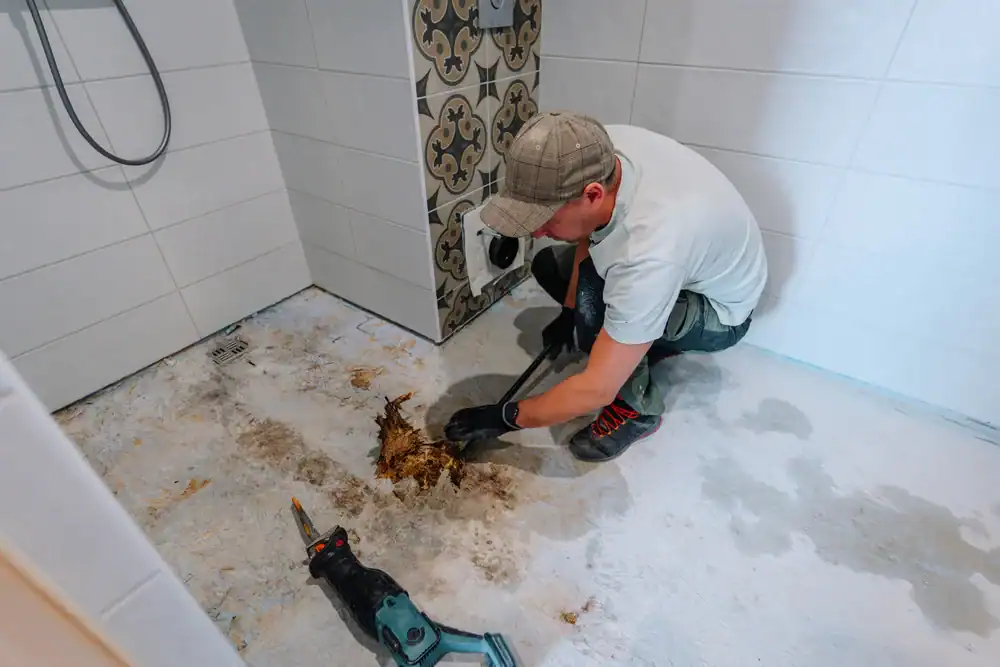
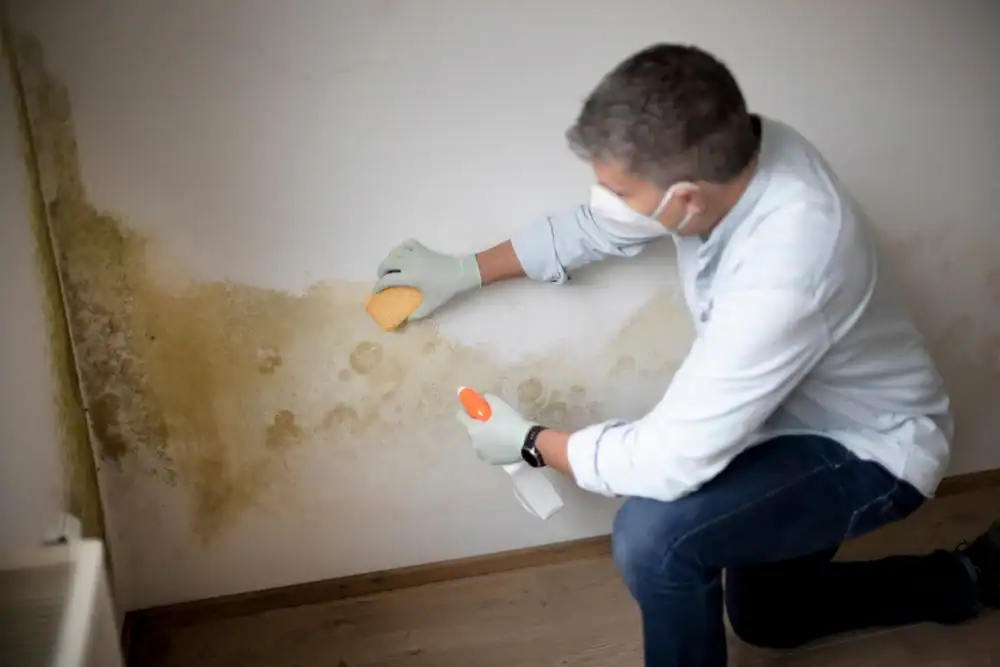
Your basement feels damp again. That musty smell is creeping upstairs. You’ve noticed condensation on the walls, maybe even spotted some dark patches that worry you. You’re not imagining it—North Carolina’s humid subtropical climate makes basement moisture a legitimate structural and health concern, not just a comfort issue.
The question isn’t whether you need a dehumidifier for your basement. It’s which type actually handles Guilford County’s humidity levels without running constantly or driving up your electric bill. Hardware store units work fine for small spaces with mild dampness. NC basements in summer? That’s a different challenge. Here’s what you need to know before you buy anything or call anyone.
Guilford County gets about 45 inches of rain annually, but that’s not the only reason your basement stays damp. North Carolina’s humid subtropical climate means outdoor humidity regularly hits 65-85% during summer months. When that warm, moisture-laden air meets your cooler basement walls and floors, physics takes over. The air cools, can’t hold as much moisture, and condensation forms on every surface.
Even basements without active water leaks deal with moisture. Concrete is porous—it absorbs moisture from the surrounding soil and releases it inside your basement. If the soil around your foundation stays wet from our clay soil and frequent thunderstorms, that moisture keeps migrating through your walls. Add in the fact that up to 40% of the air in your home comes from your basement or crawl space, and you’re not just dealing with a basement problem. You’re dealing with a whole-home air quality issue that affects everyone upstairs.
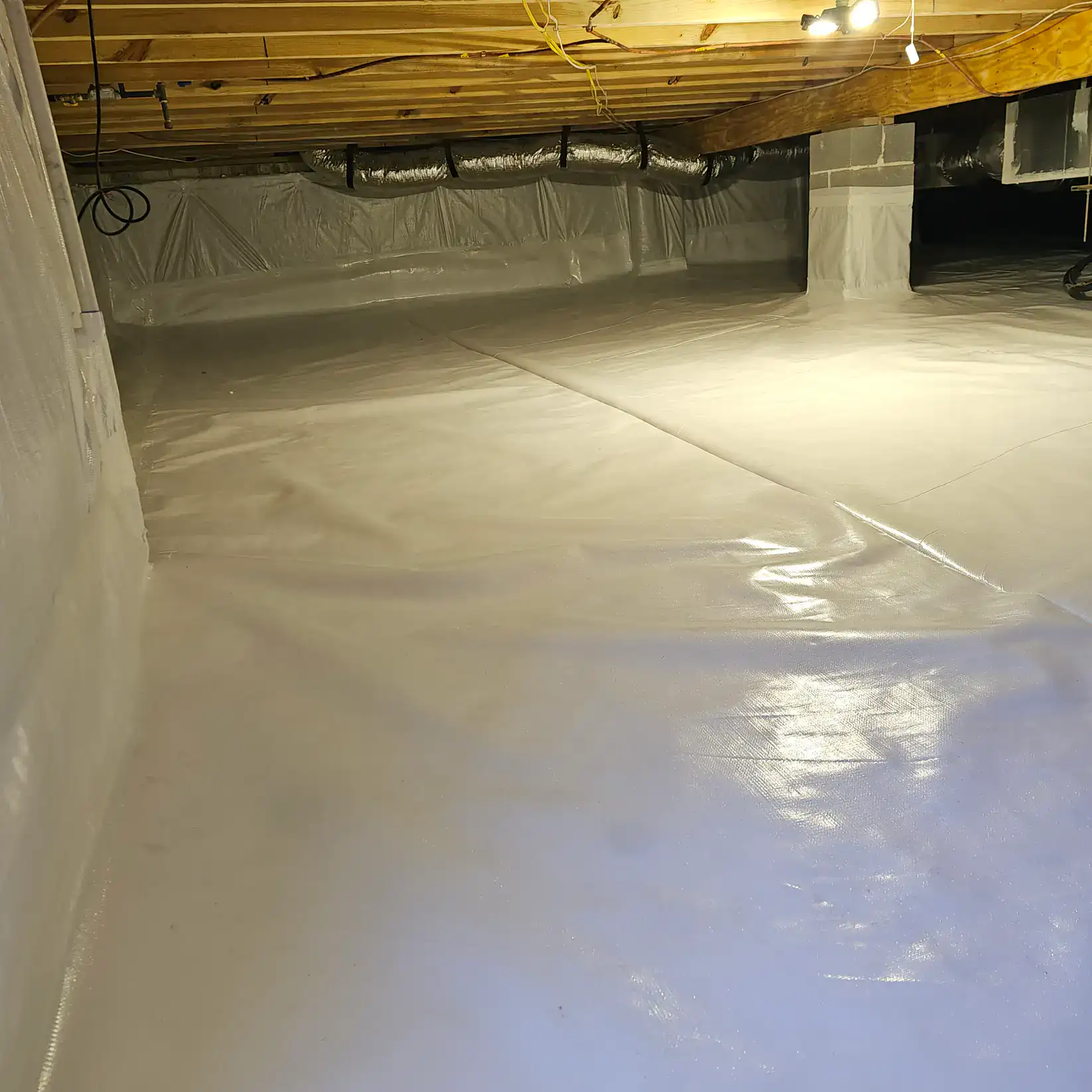
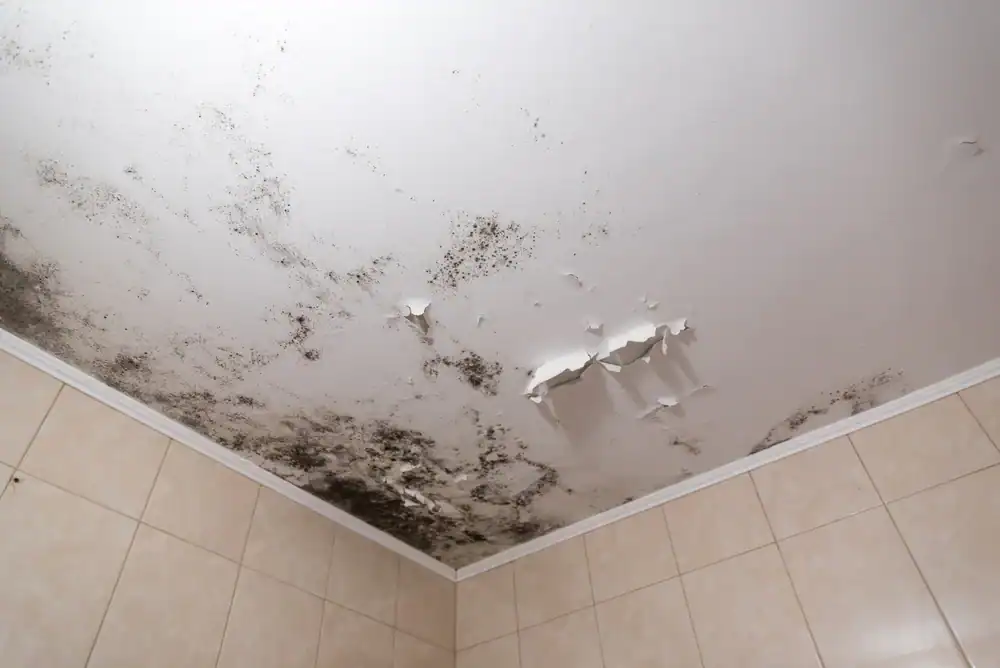
The EPA sets the threshold at 60% relative humidity. Above that, mold starts growing. Not might grow—starts growing. Mold spores are everywhere, just waiting for the right conditions. Give them humidity above 60%, some organic material like wood or drywall, and a few days, and you’ve got a problem that spreads faster than most homeowners expect.
Most comfortable homes maintain 30-50% relative humidity. Basements and crawl spaces in North Carolina should stay in that same range, ideally closer to 40-50%. When humidity climbs to 70% or higher—which happens regularly in uncontrolled NC basements during summer—you’re not just risking mold. You’re creating conditions for wood rot in your floor joists and support beams, inviting pests that love damp environments, and circulating musty air through your ductwork into the rooms where your family actually lives.
The challenge is that outdoor humidity doesn’t respect your comfort preferences. During July and August in Greensboro, outdoor humidity can stay above 70% for weeks. Your basement, being cooler and below grade, becomes a collection point for all that moisture. A dehumidifier isn’t optional at that point. It’s the only way to maintain humidity levels that protect your home’s structure and your family’s health. The question becomes which type of dehumidifier actually handles NC’s specific climate conditions without running 24/7 or failing after one season.
Opening a window or running a fan doesn’t fix basement humidity in North Carolina. In fact, during summer months, opening basement windows makes the problem worse. You’re literally inviting humid outdoor air into a cooler space where it immediately condenses. That’s the opposite of helpful.
You know you need actual dehumidification when you see condensation on pipes or walls, smell that distinctive musty odor even after cleaning, notice your basement feels noticeably cooler and damper than the rest of your house, or find that items stored in your basement develop that clammy feeling or visible mold spots. These aren’t minor inconveniences. They’re indicators that humidity has exceeded levels your basement can handle through passive ventilation alone.
Some homeowners see efflorescence—those white, chalky deposits on concrete walls—and assume it’s just mineral buildup. It is, but it’s mineral buildup caused by water moving through your concrete. That’s moisture intrusion, and it means your basement is dealing with humidity from multiple sources: humid air from outside and groundwater vapor coming through your foundation. A dehumidifier addresses the airborne moisture. If you’re also dealing with water intrusion through cracks or poor drainage, you’ll need to address those issues too. But the dehumidifier handles what ventilation can’t—actively removing moisture from the air to maintain levels that prevent mold and protect your home’s structure.
Want live answers?
Connect with a Clean Air LLC expert for fast, friendly support.
Walk into any hardware store and you’ll find portable dehumidifiers for $150-$400. They work. For the right situation. A single room with mild dampness, a small basement under 600 square feet with moderate humidity, or a temporary solution while you address underlying moisture issues—portable units handle those scenarios fine.
The limitation shows up when you’re trying to control humidity in a larger basement, dealing with North Carolina’s sustained high humidity during summer, or want a solution that doesn’t require emptying a bucket every day or two. Portable units are designed for convenience and mobility. They’re not designed for the continuous, high-capacity moisture removal that NC basements often need from June through September.
Whole house dehumidifiers integrate with your HVAC system. They pull moisture from the air as it circulates through your ductwork, maintaining consistent humidity levels throughout your entire home—not just the room where the unit sits. The upfront cost is higher, typically $1,000-$2,500 installed. But they’re 4x more energy efficient than portable units, drain automatically into your plumbing system, operate quietly because they’re tucked into your ductwork, and handle significantly higher moisture loads without running constantly.
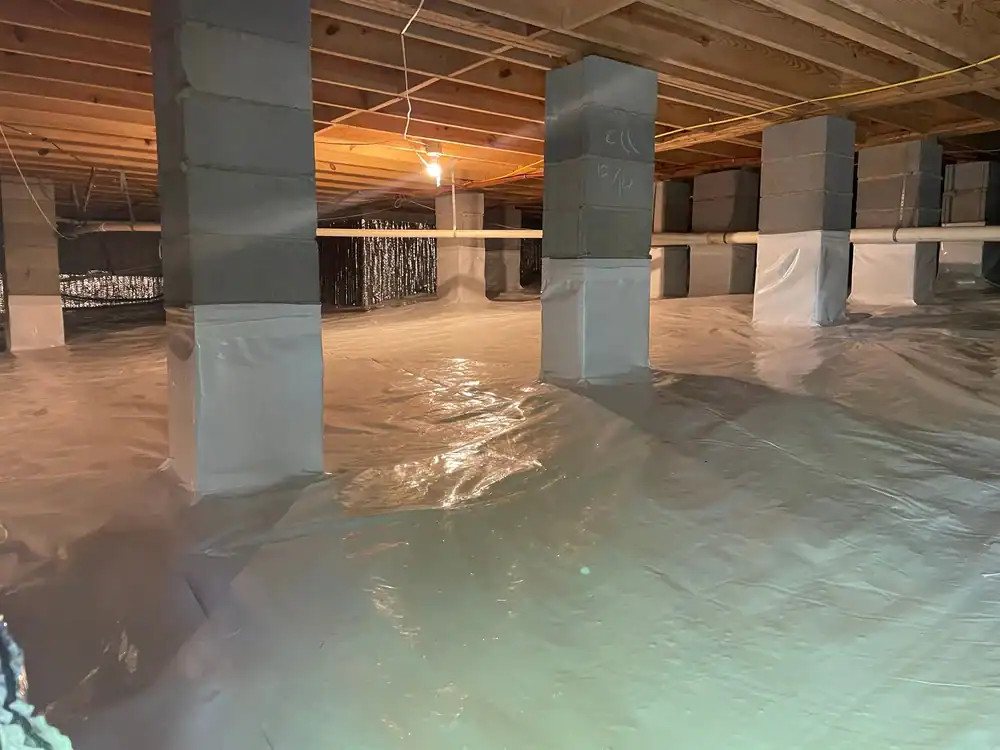
If your moisture problem is isolated to your basement and you don’t have humidity issues in the rest of your home, a portable dehumidifier might be all you need. The key is sizing it correctly and understanding its limitations.
For basements under 800 square feet with moderate dampness, a 30-50 pint capacity unit works. Basements 800-1,500 square feet typically need 50-pint capacity. Larger basements or those with severe moisture issues need 70+ pint capacity. Those capacity ratings tell you how many pints of water the unit can remove from the air in 24 hours under ideal conditions. In North Carolina’s high-humidity summers, expect the unit to run 8-12 hours per day to maintain 50% relative humidity.
The maintenance reality matters here. Most portable units have a water reservoir that holds 1-2 gallons. When it fills, the unit shuts off automatically. During peak humidity, that might mean emptying the bucket twice a day. You can set up continuous drainage with a hose if you have a floor drain nearby, but the dehumidifier needs to be positioned higher than the drain for gravity to work. Otherwise, you’ll need a condensate pump, which adds cost and another component that can fail.
Energy costs run about $30-50 per month for a 50-pint unit operating 8-12 hours daily at average electricity rates. That’s manageable. What’s not manageable is buying an undersized unit that runs constantly without ever reaching your target humidity level, or a cheap unit that breaks down after one season. If you’re going the portable route, invest in an Energy Star certified model with a capacity that actually matches your basement’s size and moisture load. Otherwise, you’re spending money on a solution that won’t solve the problem.
Whole house dehumidifiers connect to your existing HVAC ductwork, typically at the return air side. As your system pulls air through the return ducts, the dehumidifier removes moisture before that air gets redistributed through your supply ducts. The extracted water drains automatically into your home’s plumbing system—no buckets to empty, no daily maintenance beyond occasional filter cleaning.
These systems can operate independently or work in coordination with your air conditioning. Your AC already removes some moisture as it cools the air, but it’s not designed for dedicated humidity control. On humid days when the temperature is comfortable but the air feels sticky, your AC won’t run enough to remove moisture. That’s where a whole house dehumidifier provides value—it handles humidity control as a separate function from temperature control.
Professional installation is essential. The system needs to be properly sized for your home’s square footage and typical moisture load, integrated with your ductwork without creating airflow issues, connected to drainage and electrical systems correctly, and calibrated to work with your existing HVAC controls. Many systems let you control humidity levels from your programmable thermostat, setting target humidity just like you set target temperature.
The energy efficiency advantage comes from the fact that these units are designed for continuous operation in the conditions they’ll actually face—cooler temperatures and sustained humidity. They don’t cycle on and off as frequently as portable units, they remove moisture more efficiently per kilowatt-hour of electricity used, and they maintain consistent humidity throughout your home rather than just the room where they’re located. For homes with humidity issues in multiple areas or homeowners who want a permanent, low-maintenance solution, whole house systems make sense despite the higher upfront cost.
North Carolina’s climate isn’t changing. Your basement will deal with humidity every summer, and probably during other seasons too depending on rainfall and temperature fluctuations. The question is whether you address it with a solution that actually works for your specific situation—your basement’s size, your home’s moisture load, and whether you’re dealing with just airborne humidity or also underlying moisture intrusion issues.
Portable dehumidifiers work for smaller spaces and isolated moisture problems. Whole house systems make sense when you want comprehensive humidity control without daily maintenance. Either way, proper sizing matters more than brand names, Energy Star certification saves you money long-term, and addressing underlying moisture sources—poor drainage, foundation cracks, inadequate ventilation—makes any dehumidifier work more effectively.
If you’re not sure what your basement actually needs, start with an inspection that identifies where moisture is coming from and how much you’re dealing with. We’ve been helping Guilford County homeowners solve humidity and air quality issues since the early 1990s. We can assess your basement, explain what’s causing the moisture, and recommend solutions that actually match the problem—not just sell you equipment. Sometimes that’s a dehumidifier. Sometimes it’s addressing crawl space issues or improving drainage. Usually it’s a combination. Contact us to schedule a free inspection.
Summary:
Share: