
Contact Info
- Greensboro, NC 27406
- Call: 336-707-0498
- Text: 336-707-0498
-
Mon - Fri: 8am - 4pm
Sat - Sun: Closed
Contact Info
Not sure if your home needs duct cleaning, crawl space encapsulation, or both? Here's how to tell — and why the order matters more than most people realize.
You’ve noticed something — a musty smell that won’t go away, dust settling on furniture faster than you can wipe it down, or allergy symptoms that seem worse inside your own home than anywhere else. So you start searching, and two services keep coming up: duct cleaning and crawl space encapsulation. The problem is, nobody’s really explaining the difference or telling you which one actually solves your problem.
That’s what we’re here for. We’ll walk you through how each service works, when you need one versus the other, and why getting the order wrong can cost you twice.
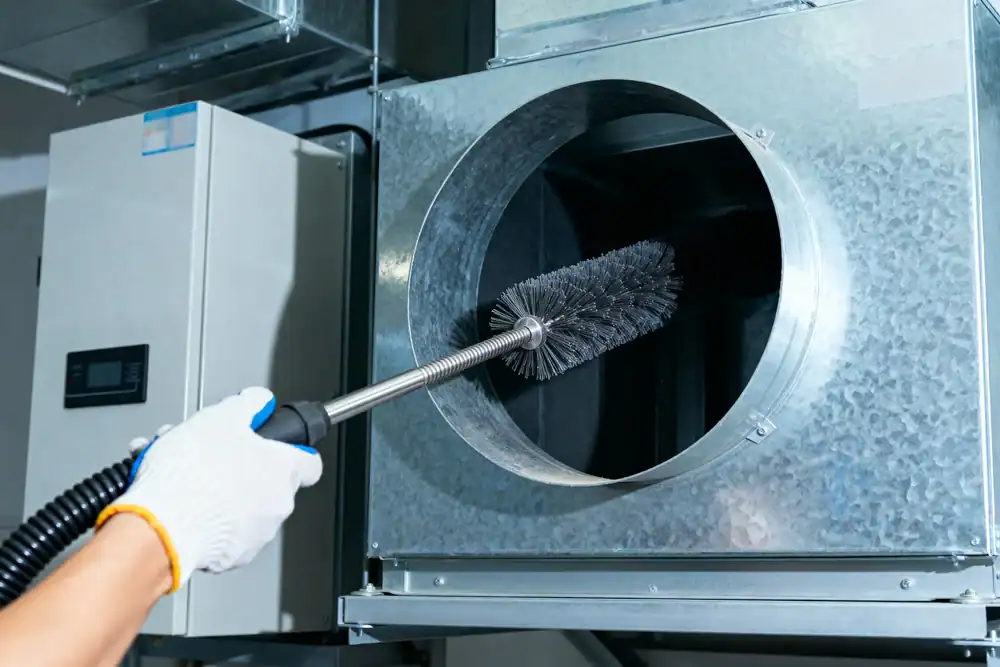
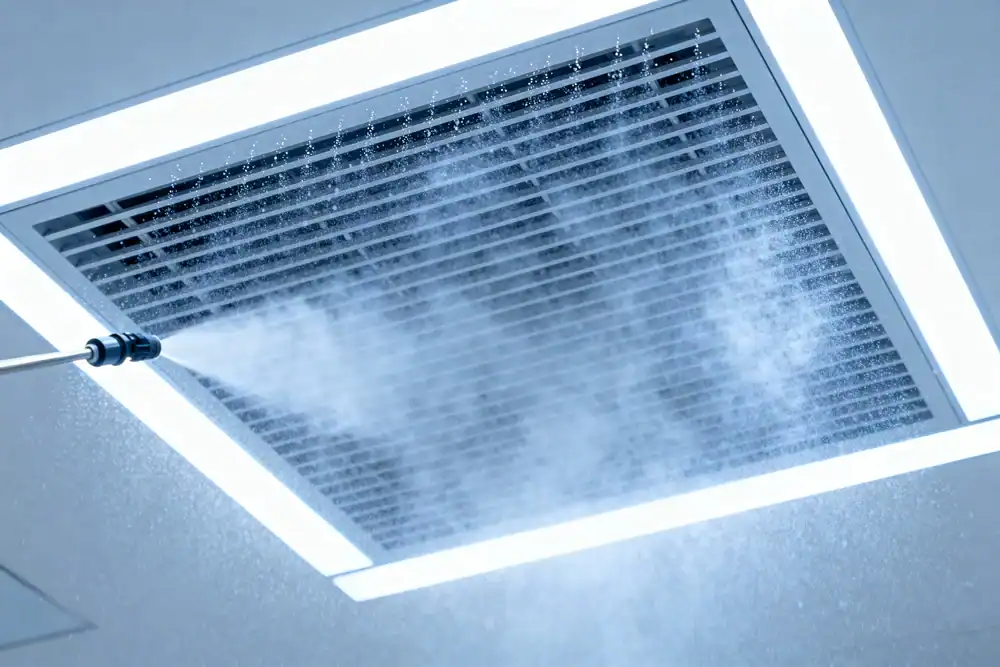
Air duct cleaning removes the buildup that accumulates inside your HVAC system over time — dust, lint, pet dander, mold spores, construction debris, and anything else that’s been circulating through your home every time the system runs. When it’s done correctly, it’s a meaningful service. When it’s done wrong, it can make things worse.
The key word there is “correctly.” A real duct cleaning job — the kind that meets NADCA’s ACR Standard — uses two methods together: powerful vacuum equipment running under continuous negative pressure to capture contaminants, and agitation tools to physically dislodge buildup from the interior surfaces of your ductwork. One without the other isn’t a complete cleaning.
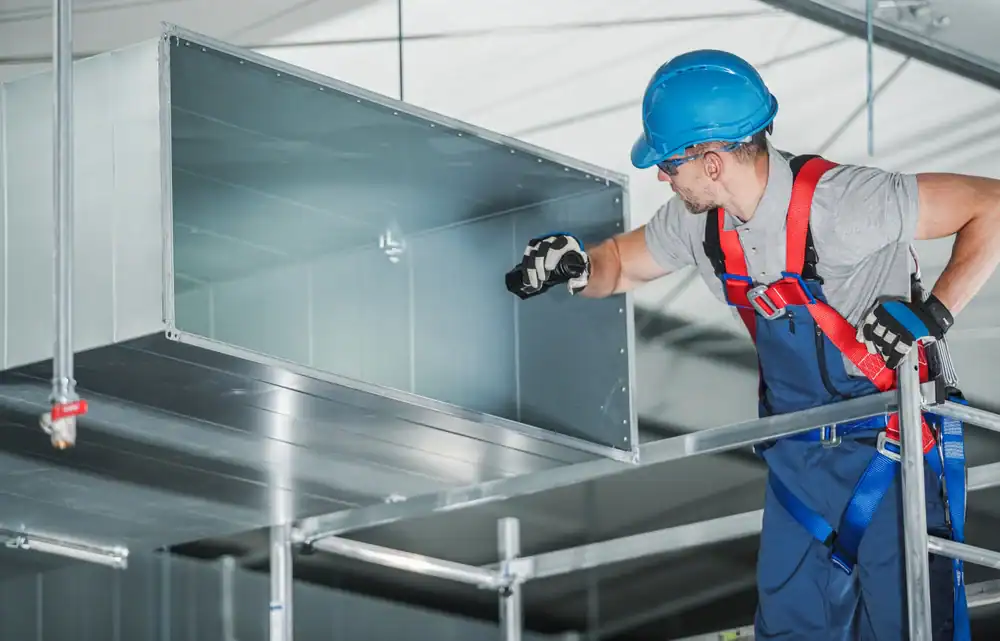
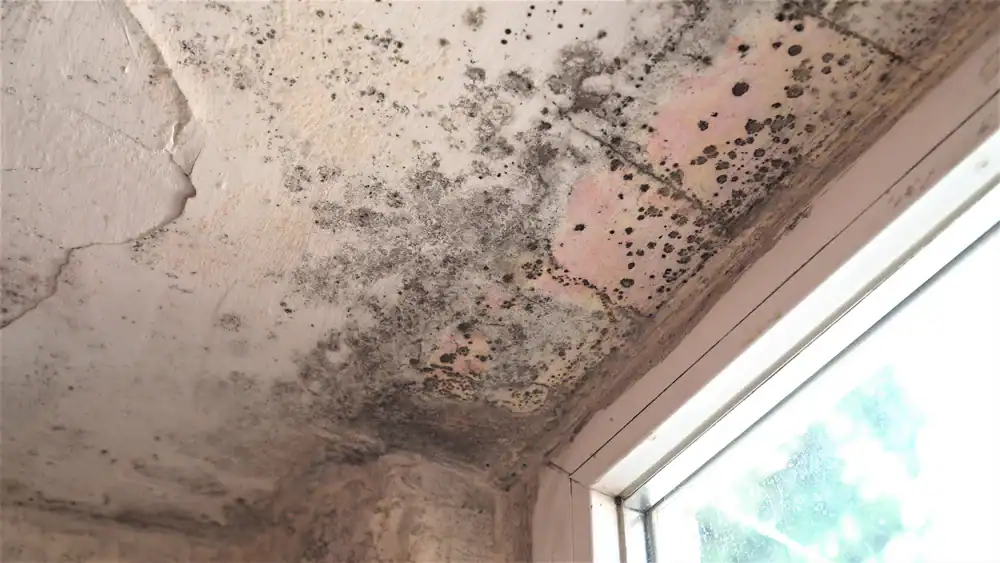
The EPA is pretty clear on this: duct cleaning isn’t something every home needs on a fixed schedule, but there are specific situations where it makes real sense. Visible mold growth inside your ducts or on components of your HVAC system is one. Signs of vermin — rodents, insects — living inside the ductwork is another. And a significant buildup of dust and debris that’s visibly restricting airflow or getting pushed back into your living spaces is a third.
Beyond those thresholds, there are practical triggers that homeowners in Guilford County, NC run into regularly. You just finished a renovation and construction dust got pulled into the system. You moved into a home and have no idea when — or if — the ducts were ever cleaned. You have a family member whose allergy symptoms are noticeably worse when the HVAC is running.
These are all legitimate reasons to have the system inspected and, if warranted, cleaned.
What duct cleaning does not do is fix the source of contamination if that source is somewhere else in the home. This is where a lot of homeowners get burned. They pay for a duct cleaning, the musty smell improves for a few weeks, and then it’s back. The reason is almost always the same: the crawl space was never addressed.
Your HVAC system circulates air through your home five to seven times a day when it’s running. If the air it’s pulling in is already carrying mold spores, humidity, or earthy odors from a compromised crawl space below, cleaning the ducts is like mopping the floor while the pipe is still leaking. You’ll need to mop again soon.
That’s not a knock on duct cleaning as a service — it’s genuinely useful and often necessary. But it’s the second step, not the first, when the crawl space is the root of the problem.
One more thing worth knowing: if you’ve seen an advertisement for whole-home duct cleaning at $50 to $100, be skeptical. According to NADCA, prices that low most likely don’t cover the actual cost of the service — which means you’re either getting substandard work or you’ll see a much higher bill once the technician “discovers” a bigger problem. Legitimate duct cleaning for a typical home runs between $450 and $1,000, depending on system size and condition.
The duct cleaning industry has a documented scam problem, and homeowners across Guilford County are not immune to it. The most important thing you can do before hiring anyone is verify their NADCA membership directly on NADCA’s website. NADCA requires that member companies have at least one certified technician on staff — either an ASCS (Air Systems Cleaning Specialist) or a CVI (Certified Ventilation Inspector). If a company claims NADCA membership but isn’t listed in the Find-a-Professional directory, walk away.
Also worth knowing: the EPA does not certify or endorse any duct cleaning company. If a company is advertising “EPA-certified” duct cleaning, that’s a false claim. The EPA’s role is to provide guidance to consumers, not to credential contractors.
Beyond certification, look for a company that will inspect your system before starting any work and give you a written estimate with a clear scope of what’s being done. Before-and-after documentation matters too — it’s the only way to verify the work was actually completed rather than just billed for. A company that won’t provide photos of your ductwork before and after the job is one you should question.
For homes in Greensboro, High Point, and the surrounding Guilford County areas, there’s another practical consideration: older housing stock. Many neighborhoods have homes built in the 1950s through the 1980s with flex duct systems that can be damaged by aggressive cleaning tools. A contractor who uses the same approach on every home regardless of duct type is a problem. Make sure whoever you hire is using tools appropriate to your specific system.
Want live answers?
Connect with a Clean Air LLC expert for fast, friendly support.
Crawl space encapsulation seals the area beneath your home with a heavy-duty vapor barrier, cutting off the path that ground moisture, mold spores, and outside air use to enter your living space. It’s not a cosmetic fix — it changes the conditions in your crawl space at a fundamental level, which is why it tends to have a lasting impact on indoor air quality in a way that surface-level treatments don’t.
In Guilford County, NC, this matters more than it does in a lot of other markets. The Piedmont region where Greensboro and High Point sit has clay-heavy soil that holds water after rain and releases moisture slowly over time. Add in summer humidity that regularly hits 70 percent, and you have conditions that are genuinely hard on vented crawl spaces. Most of them weren’t designed to handle the moisture load that comes with a Piedmont summer.
This is the part most homeowners don’t know, and it explains why so many duct cleanings fail to solve the underlying problem. Air moves from areas of higher pressure to lower pressure. In most homes, the living space is under slight negative pressure relative to the crawl space — which means the home is constantly drawing air upward from below.
That air travels through gaps around plumbing penetrations, electrical runs, subfloor seams, and in many cases directly through ductwork that runs through the crawl space. If your crawl space has elevated humidity, mold growth, or general organic decay from moisture damage, that air carries those contaminants with it. Every time your HVAC system runs, it’s not just recirculating the air that was already inside your home — it’s pulling in whatever is rising from below.
Cleaning the ducts removes what’s already there, but it doesn’t stop the flow. Within months, the same mold spores and musty odors are back.
Encapsulation interrupts that cycle. A properly installed vapor barrier — combined with any necessary drainage or dehumidification — stabilizes the crawl space environment so that the air rising into your home isn’t carrying a moisture and mold load with it. Once the crawl space is sealed and dry, duct cleaning becomes genuinely effective because there’s no longer a continuous source of contamination feeding back into the system.
The practical implication is straightforward: if your home has a musty smell and you haven’t had your crawl space inspected, start there. Cleaning the ducts first isn’t wrong — but if the crawl space is the source, you’ll likely be back to square one before the year is out.
These are two very different investments, and it helps to go in with realistic numbers. Air duct cleaning for a typical residential system runs between $450 and $1,000, with most homeowners paying somewhere in that range depending on system size, the number of vents, and how long it’s been since the last cleaning.
Crawl space encapsulation is a larger project. National averages put the cost between $1,500 and $15,000, with most homeowners landing around $5,500. Per-square-foot pricing typically runs $3 to $7 for standard projects, and can reach around $10 per square foot when there’s significant moisture damage, mold, or structural repairs involved.
In the Southeast, encapsulation tends to pay for itself within five to ten years through reduced energy costs — most homeowners see roughly a 15 percent reduction in energy bills after the crawl space is properly sealed. The reason the range is wide is that crawl space conditions vary significantly. A relatively dry crawl space that just needs a vapor barrier and some sealing is a different job than one with standing water, mold remediation needs, and damaged insulation.
That’s why an inspection before any quote is essential — not as a sales tactic, but because there’s genuinely no honest way to price the work without seeing what’s there.
For homeowners in Guilford County who discover they need both services, there’s a real logistical advantage to working with a contractor who handles both. Most duct cleaning companies don’t do encapsulation. Most encapsulation contractors don’t do duct cleaning. When you hire two separate specialists, you end up coordinating schedules, managing two sets of expectations, and dealing with the awkward situation where each contractor blames the other if the problem persists. A single contractor who handles both — and holds certifications for both — removes that friction entirely and creates a clear line of accountability.
Here’s the short version: if you have a musty smell, start with a crawl space inspection. If the crawl space is dry and in good condition, duct cleaning is likely your answer. If the crawl space has moisture issues, address that first — then clean the ducts. Doing it in the wrong order doesn’t make the first service worthless, but it does mean you’ll probably be dealing with the same problem again sooner than you should.
The free inspection matters here more than it might seem. You shouldn’t have to guess which problem you have, and a contractor worth hiring will tell you honestly what they find — even if the answer is that you don’t need one of the services at all.
We’ve been helping families across Greensboro, High Point, and Guilford County figure this out for over 30 years. If you’re not sure where to start, reach out to Clean Air LLC — we’ll take a look and give you a straight answer.
]
Summary:
Share: