
Contact Info
- Greensboro, NC 27406
- Call: 336-707-0498
- Text: 336-707-0498
-
Mon - Fri: 8am - 4pm
Sat - Sun: Closed
Contact Info
Not sure if you need a vapor barrier or full crawl space encapsulation? Here's a straight answer — no upsell, no jargon.
You got a quote. Maybe it was for a few thousand dollars, maybe it was closer to ten. The contractor said you needed full encapsulation, and now you’re here trying to figure out if that’s actually true — or if a basic vapor barrier would do the job just as well for a fraction of the price.
That’s a fair question, and it deserves a straight answer. Not a sales pitch dressed up as education. Just an honest look at what each option does, where each one makes sense, and what the climate and soil conditions in Guilford County mean for your specific situation.
These two terms get used interchangeably by a lot of contractors, and that’s part of the problem. They’re not the same thing. A vapor barrier is one component of a larger system — encapsulation is that complete system.
A basic vapor barrier is typically a sheet of 4 to 6 mil polyethylene plastic laid across the crawl space floor. It reduces moisture evaporating up from the ground, which is genuinely useful. But it doesn’t seal against the walls, it doesn’t address the vents, and it doesn’t control the air inside the crawl space itself. It handles one source of moisture — the ground — and stops there.
Full encapsulation goes further. It covers the floor and extends up the foundation walls with a heavier liner, typically 12 to 20 mil reinforced polyethylene. The vents get sealed. A dehumidifier gets added to condition the air inside the sealed space. The whole crawl space becomes a controlled environment rather than a vented one that’s open to whatever the weather is doing outside.
Here’s the thing most basic vapor barrier installations don’t account for: in a vented crawl space, outdoor air is constantly flowing in through the foundation vents. On a Guilford County summer day, that air arrives at 70 to 90 percent relative humidity. The dew points in July and August regularly push above 65°F. That means the air coming through your vents is already close to saturated before it even touches anything in your crawl space.
A vapor barrier on the floor does nothing about that air. It can slow down ground moisture evaporation, but the humid outdoor air is still circulating freely, still condensing on cold surfaces, still creating the conditions where mold takes hold and wood starts to deteriorate. The vapor barrier isn’t failing — it’s just not designed to solve that problem.
This is why homes across Guilford County with persistent moisture issues, musty odors, or visible condensation often can’t solve the problem with a vapor barrier alone. The climate here is genuinely different from drier regions where a vapor barrier is a reasonable long-term fix. The Piedmont Triad’s summer humidity is real, and it matters for this decision.
That said, a vapor barrier isn’t always the wrong answer. If your crawl space has a relative humidity reading consistently under 50 percent, and the moisture issue is limited to ground evaporation rather than humid air intrusion, a vapor barrier may be exactly what you need. The honest answer is that it depends on what’s actually happening under your house — not on which option costs more.
The way to know for certain is an inspection that measures actual conditions: humidity levels, signs of condensation, evidence of water intrusion, and the condition of any existing insulation or liner. That’s what determines which solution fits, and it’s the conversation worth having before any work gets started.
This part almost never comes up in comparison guides, and it should. Whether you’re installing a basic vapor barrier or going with full encapsulation, the condition of your crawl space before the liner goes down matters enormously.
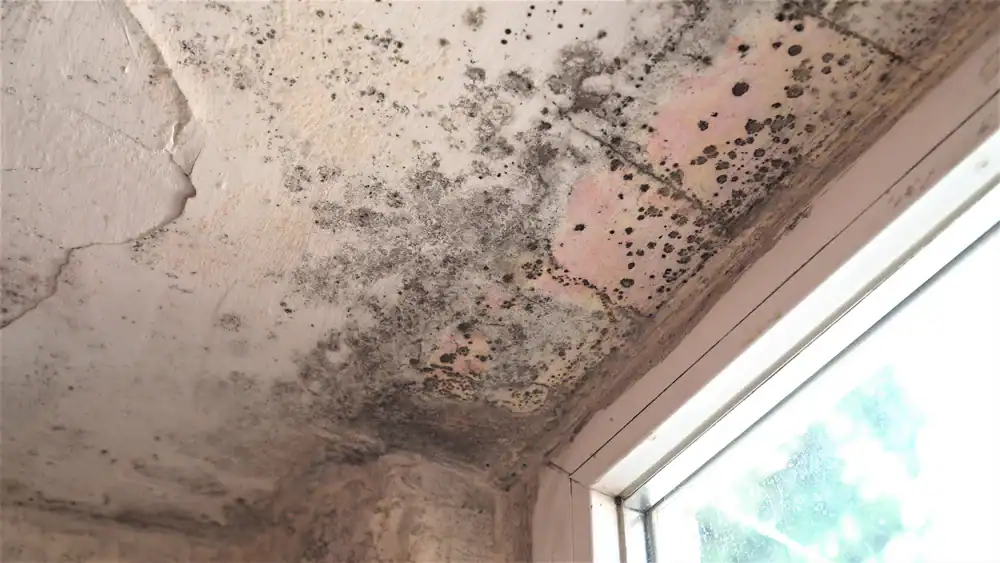
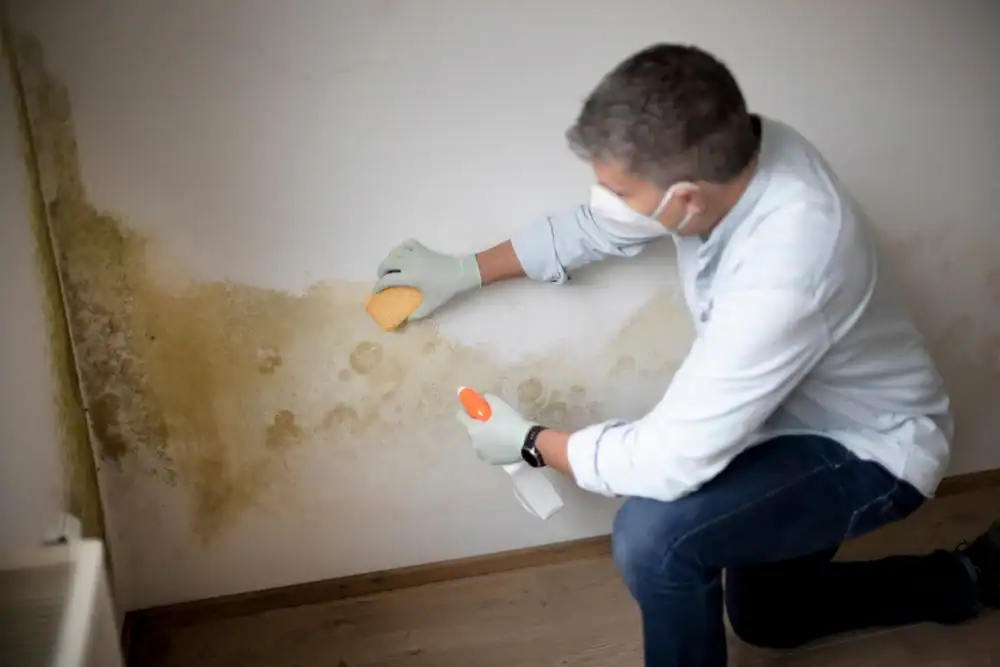
If there’s existing mold growth, contaminated insulation, debris, or standing water, you can’t just cover it and call the job done. Sealing contamination under a liner doesn’t eliminate it — it traps it. The mold continues to grow, the organic material continues to break down, and the air quality problem you were trying to solve gets worse over time, not better.
The right sequence is inspect first, clean second, then install. That means removing old insulation if it’s been compromised, addressing any mold remediation before the liner touches the walls, and making sure the space is dry and clear before anything gets sealed in. If a contractor is quoting you encapsulation without mentioning this step, that’s worth asking about directly.
This matters especially in older Guilford County homes — the kind built in the 1950s, 60s, and 70s that make up a significant portion of the housing stock in Greensboro and High Point. Many of those homes have had the same vented crawl space design since they were built, with fiberglass batt insulation stapled to the joists that’s been absorbing moisture for decades. By the time a homeowner calls about encapsulation, there’s often cleaning and remediation work that needs to happen first.
We offer crawl space cleaning as a distinct step before any liner installation, specifically because skipping it produces poor long-term results. It’s not an upsell — it’s the part that makes the encapsulation actually work.
Want live answers?
Connect with a Clean Air LLC expert for fast, friendly support.
For most North Carolina homes, full crawl space encapsulation runs somewhere between $4,400 and $8,300, with the average for a standard installation landing around $5,100 to $6,000. That range accounts for a 12 to 20 mil liner, sealed vents, and a properly sized dehumidifier. Homes with drainage issues, existing mold, or more complex layouts will sit toward the higher end.
That number can feel significant, especially when a basic vapor barrier costs considerably less. But the cost comparison only makes sense if both options actually solve your problem — and in Guilford County’s climate, they often don’t solve the same problem.
The honest answer is: it depends on what you’re comparing it to.
If your alternative is doing nothing, the financial case for encapsulation gets stronger the longer you look at it. Professional mold remediation, when moisture damage is left unaddressed, typically costs $1,500 to $6,000. Structural joist repair runs $2,000 to $10,000 or more depending on the extent of the damage. Those aren’t worst-case numbers — they’re common outcomes in homes where crawl space moisture went unmanaged for years.
Energy savings after encapsulation typically run 10 to 20 percent annually. For a home spending $250 a month on heating and cooling, that’s $300 to $600 back per year. Over a decade, that adds up meaningfully.
There are also comfort benefits that homeowners notice right away — warmer floors in winter, less musty smell when you walk in the front door, and noticeably better air quality on the first floor. That last one connects to something worth understanding: because of the stack effect, up to half the air on your first floor comes from your crawl space. When that space is damp and poorly controlled, you’re breathing what’s down there. Encapsulation cuts off that source.
Guilford County’s Cecil sandy clay loam soil adds another layer to this. Clay soils drain slowly and retain moisture, which means the ground under your home is a persistent moisture source even in dry stretches. Homes on sloped terrain — common across Guilford County — can also have partial below-grade exposure on one side, increasing the risk of water intrusion beyond what ground evaporation alone would cause. In those situations, encapsulation paired with a sump pump or French drain isn’t an upsell. It’s the system that actually addresses what’s happening.
North Carolina is one of the few states where crawl space encapsulation is specifically governed by building code — and where inspectors are genuinely familiar with the requirements. That’s worth knowing if you’re comparing quotes and wondering why the details vary between contractors.
NC building code R409 requires a continuous vapor retarder on the floor and extending up the foundation walls, sealed foundation vents, a conditioned air supply, and a drainage system. The minimum vapor retarder thickness under code is 6 mil, but most quality installations use 12 to 20 mil reinforced liner because 6 mil tears easily and doesn’t hold up to anyone working in the space.
One requirement that comes up less often but matters specifically in North Carolina: the wall liner cannot run all the way to the sill plate. NC code requires a 3 to 4 inch termite inspection gap between the top of the liner and the masonry foundation wall. Subterranean termite pressure is real in this part of the state, and pest inspectors need to be able to visually check the wood at the top of the foundation. Running the liner all the way up is incorrect detailing for the Southeast, and it can create problems at resale when a home inspector flags it.
If you’re getting quotes for encapsulation, it’s worth asking whether the installation will be permitted and whether the contractor is familiar with the R409 requirements. A contractor who mentions the termite gap unprompted is telling you something useful about their experience with North Carolina-specific work.
One more thing worth considering before sealing a crawl space: a radon test. A test costs under $20 and takes a few days. If radon is present, it can be addressed as part of the project. Skipping the test and then sealing the space is a missed opportunity that’s much harder to correct later.
The short version: a vapor barrier handles ground moisture in a crawl space with manageable humidity. Full encapsulation handles ground moisture, humid air intrusion, and everything that comes with a vented crawl space in a climate like Guilford County’s. They’re different tools for different situations, and the right answer comes from measuring what’s actually happening under your home — not from a quote that assumes the more expensive option is always correct.
If you’ve got a musty smell, visible moisture, cold floors in winter, or a crawl space that hasn’t been looked at in years, the first step is an honest inspection. Not a sales call — an actual look at humidity levels, existing liner condition, signs of mold or water intrusion, and what the soil and drainage situation looks like.
We’ve been doing this work in Guilford County since the early 1990s, and we’re not in the business of recommending services people don’t need. If a vapor barrier is the right answer for your home, we’ll tell you that. If the crawl space needs cleaning before anything else goes in, we’ll tell you that too. Reach out to Clean Air LLC for a free inspection — and get a straight answer before you commit to anything.
Summary:
Share: