
Contact Info
- Greensboro, NC 27406
- Call: 336-707-0498
- Text: 336-707-0498
-
Mon - Fri: 8am - 4pm
Sat - Sun: Closed
Contact Info
Not all duct cleaning companies operate the same way. Learn the red flags, certifications, and questions that separate legitimate professionals from scammers in Guilford County, NC.
You’ve seen the ads. Whole-house duct cleaning for $99. Sounds great until the technician shows up, finds “mold,” and suddenly your bill is over a thousand dollars. Or worse—they do surface work that doesn’t actually clean anything, and you’re back where you started with dust blowing through your vents.
Finding the best air duct cleaning company isn’t about who has the lowest price. It’s about knowing which certifications actually matter, what questions expose the scammers, and how to verify that the company you’re hiring follows real standards. If you’re in Guilford County, NC and your ducts need attention, here’s exactly what to look for.
The $99 whole-house special is the most common bait-and-switch in the industry. You cannot legally, mechanically, or financially clean an entire home’s duct system for that price. The equipment alone costs thousands. Truck-mounted vacuums, rotary brushes, inspection cameras—none of that runs on goodwill.
What actually happens? The price covers maybe ten vents or just the main trunk line. Once they’re inside your home, the real charges start piling up. Per-vent fees. Equipment fees. Suddenly that $99 turns into $800 or more, and you didn’t see it coming because it wasn’t in the original quote.
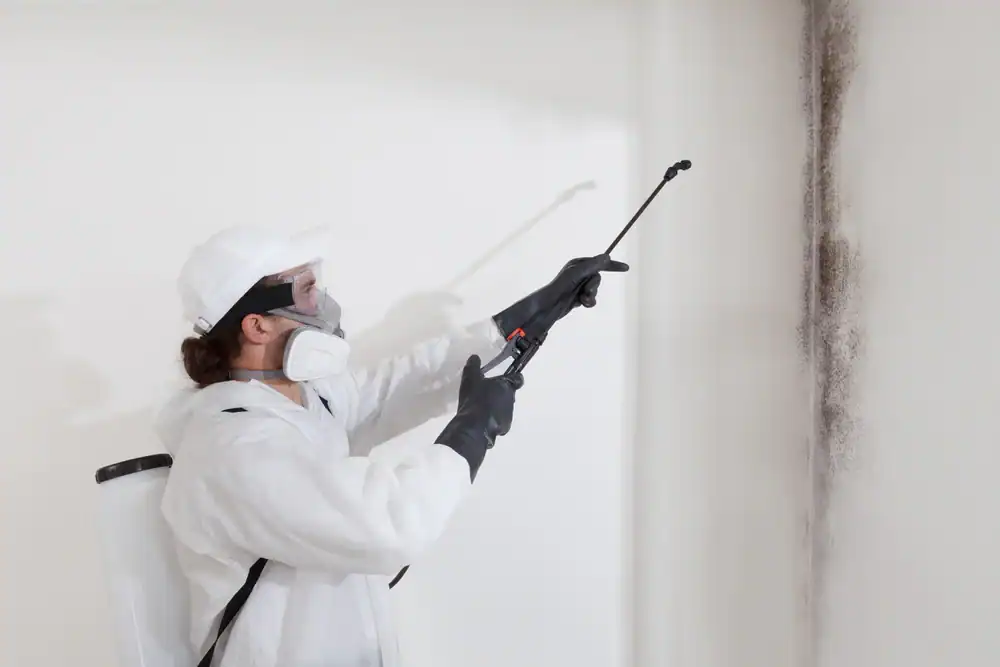
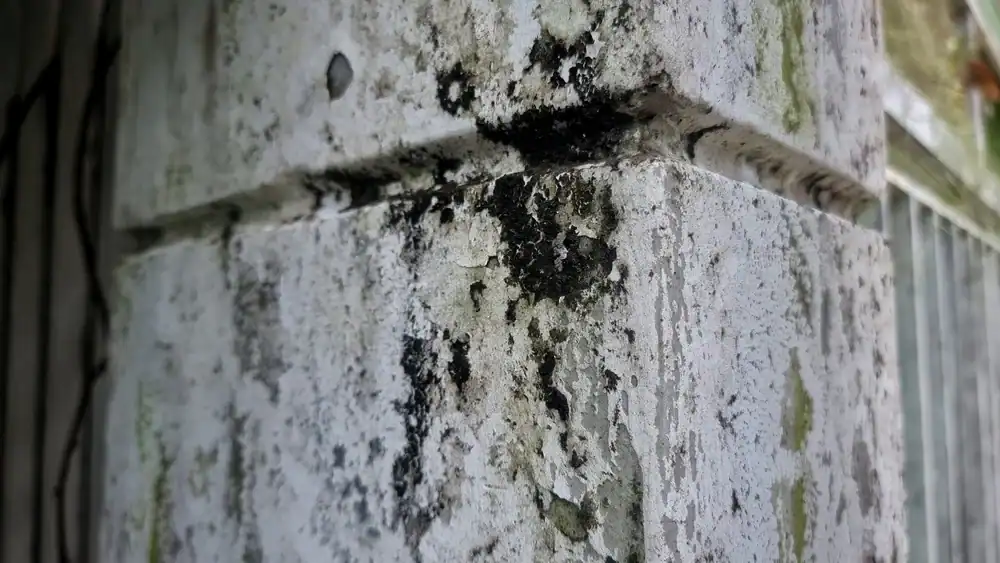
Then there’s the fake mold diagnosis. A technician wipes a dirty return vent, shows you the dust, and claims it’s toxic black mold. They’ll push for an immediate chemical treatment—hundreds of dollars on the spot. But here’s the thing: you can’t confirm mold with a visual check. Accurate identification requires lab testing. If someone’s diagnosing mold in thirty seconds and demanding payment right then, you’re being scammed.
NADCA certification is the standard that separates real professionals from fly-by-night operators. The National Air Duct Cleaners Association sets the protocols for how HVAC duct cleaning should actually be done—source removal, negative pressure, full-system access, and documentation. To become a certified NADCA member, a company must have at least one Air System Cleaning Specialist on staff and commit to following those standards.
But don’t just take their word for it. NADCA has a searchable directory on their website. You can look up any company by name or zip code and see if they’re actually members. If a contractor claims NADCA certification but won’t give you their member number or doesn’t show up in the search, that’s your answer.
BBB accreditation is another trust signal worth checking. It means the company has committed to resolving consumer complaints and upholding sound business practices. BBB ratings run from A+ to F, and you can see complaint history, how issues were handled, and how long they’ve been in business. A company that’s been BBB accredited for years and maintains an A+ rating? That’s a track record you can verify.
North Carolina requires HVAC contractors to hold proper licensing. For residential duct cleaning work, you’re usually looking at Heating Group 3 licensing, which covers forced air heating and cooling systems. Contractors need at least two years of full-time experience and must pass both a technical exam and a business law exam. You can verify any North Carolina contractor license through the State Board of Examiners for Plumbing, Heating, and Fire Sprinkler Contractors. If they can’t provide a license number or it doesn’t check out, walk away.
IICRC certification matters if mold is involved. The Institute of Inspection, Cleaning and Restoration Certification sets standards for mold remediation. If a company is claiming they can handle mold issues, they should have IICRC AMRT certification. Again, this is something you can verify. Ask for the certification number and check it yourself.
Certifications only mean something if you actually verify them. Don’t assume. Look it up. Call the board. Check the directory. The companies that have nothing to hide will make this easy for you.
Per-vent pricing is where a lot of homeowners get caught. The ad says $15 per vent, which sounds reasonable until you realize you have thirty vents and the “equipment fee” is another $300. Or the price only covers supply vents, and return vents cost extra. Or the main trunk lines aren’t included at all.
Ask upfront: does your price cover every vent in the house, including returns? Does it include the trunk lines, the plenum, the blower compartment? What about the inspection? Is that part of the service or an additional charge? A legitimate company will give you a total price based on your home’s actual size and system. They won’t nickel-and-dime you once they’re already in your house.
Scope creep is another tactic. They start the job, then “discover” that your ducts need sealing, or your coils need treatment, or your system needs sanitization—all things that conveniently cost hundreds more and weren’t part of the original quote. Sometimes these are legitimate issues. But if the technician is pushing hard for immediate add-ons and making it sound urgent, slow down. Get a second opinion. A trustworthy contractor will explain what they found, why it matters, and give you time to think about it.
Watch for the limited-time pressure too. “This price is only good today.” “We’re running a special, but it expires in an hour.” Real companies don’t need to rush you. They’ll give you a written estimate, let you compare it to other quotes, and still be there when you’re ready to move forward.
The best way to avoid pricing games? Get everything in writing before the work starts. Total cost. What’s included. What’s not. If they won’t put it in writing, that tells you everything you need to know.
Want live answers?
Connect with a Clean Air LLC expert for fast, friendly support.
Start with certification. Are you NADCA certified? Can I verify your membership number? Do you have a North Carolina HVAC contractor license? What’s the license number? These aren’t rude questions. They’re basic due diligence, and any legitimate contractor will answer them without hesitation.
Then move to the process. How do you clean the ducts? What equipment do you use? A real answer involves negative pressure vacuums, rotary brushes or air whips, and some kind of inspection—either cameras or a physical walkthrough. If they’re vague or talk about “proprietary methods” without explaining what that actually means, be skeptical.
Ask about the scope. What parts of the system do you clean? It should include supply ducts, return ducts, registers, grilles, the plenum, the blower compartment, and the main trunk lines. If they’re only hitting the vents you can see, that’s not a thorough cleaning.
North Carolina doesn’t mess around with contractor licensing, and that works in your favor. The State Board of Examiners for Plumbing, Heating, and Fire Sprinkler Contractors maintains a public database where you can look up any license by name or number. If a company tells you they’re licensed, get the license number and check it yourself.
For residential duct cleaning, you’re usually looking at a Heating Group 3 license, which covers forced air systems with cooling capacity of fifteen tons or less. That includes pretty much every residential system in Guilford County, NC. Class 1 allows work in any building. Class 2 is limited to single-family homes. Either one is fine for residential duct cleaning, but they need to have one of them.
To get that license, a contractor has to have at least two years of full-time experience in HVAC installation, maintenance, or repair. They have to pass a technical exam and a business law exam. They have to maintain the license with continuing education every year. It’s not something you just buy online.
If a company can’t provide a license number, claims they don’t need one, or gives you a number that doesn’t check out when you look it up, do not hire them. Unlicensed contractors can’t pull permits, which means if something goes wrong—damage to your ductwork, issues with your HVAC system, problems that affect your home’s resale or your insurance claim—you’re on your own. Licensed contractors carry insurance. They’re accountable to the state board. They have something to lose if they do shoddy work.
Verification takes five minutes. Go to the board’s website, plug in the license number, and see what comes up. Active license? Good. Expired or no record found? Move on to the next company.
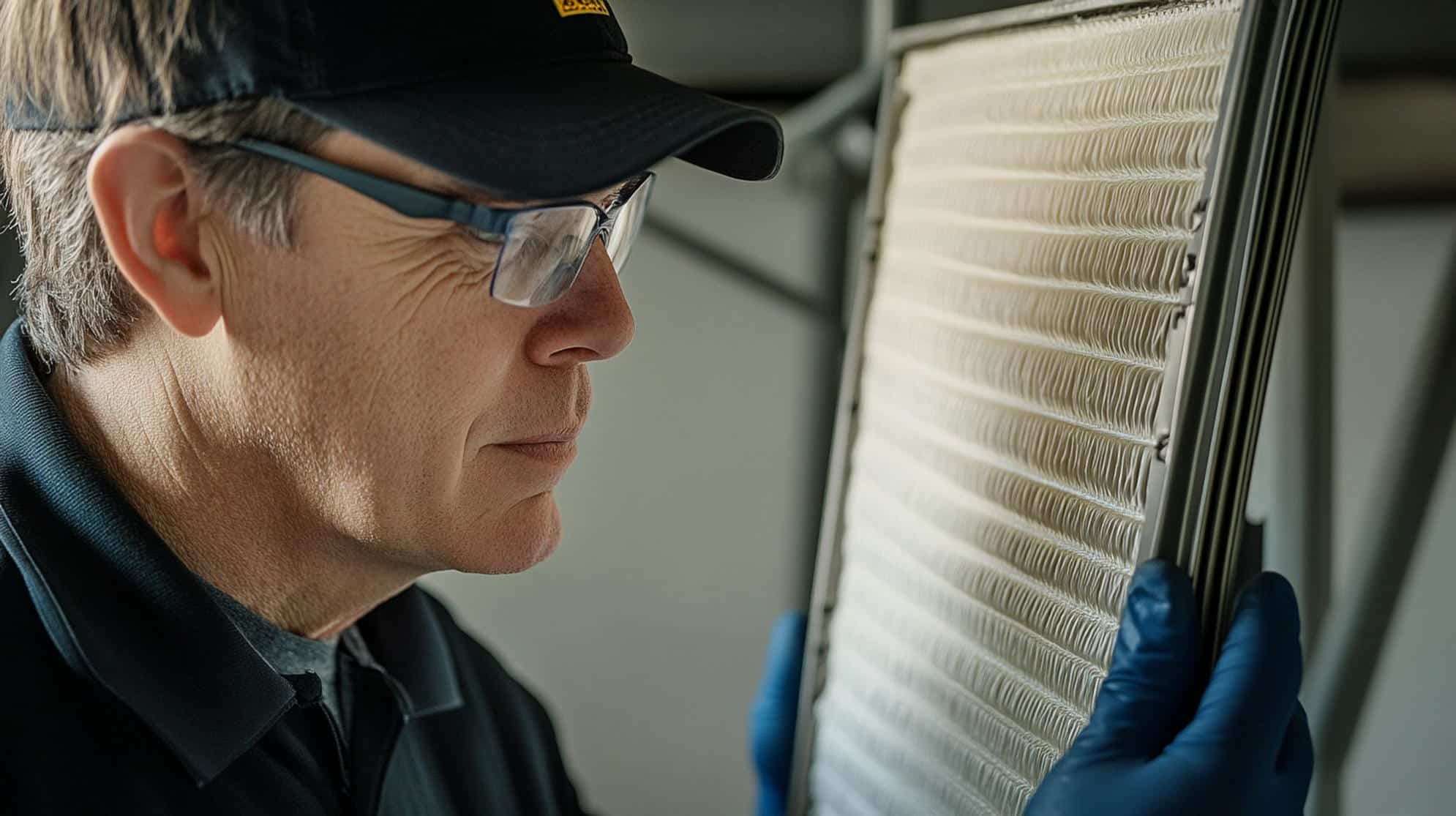
Real duct cleaning follows a process. It starts with an inspection—cameras or a physical look at the system to see what’s actually in there. Dust buildup? Construction debris? Mold? You should know what you’re dealing with before the work starts, and a good company will show you.
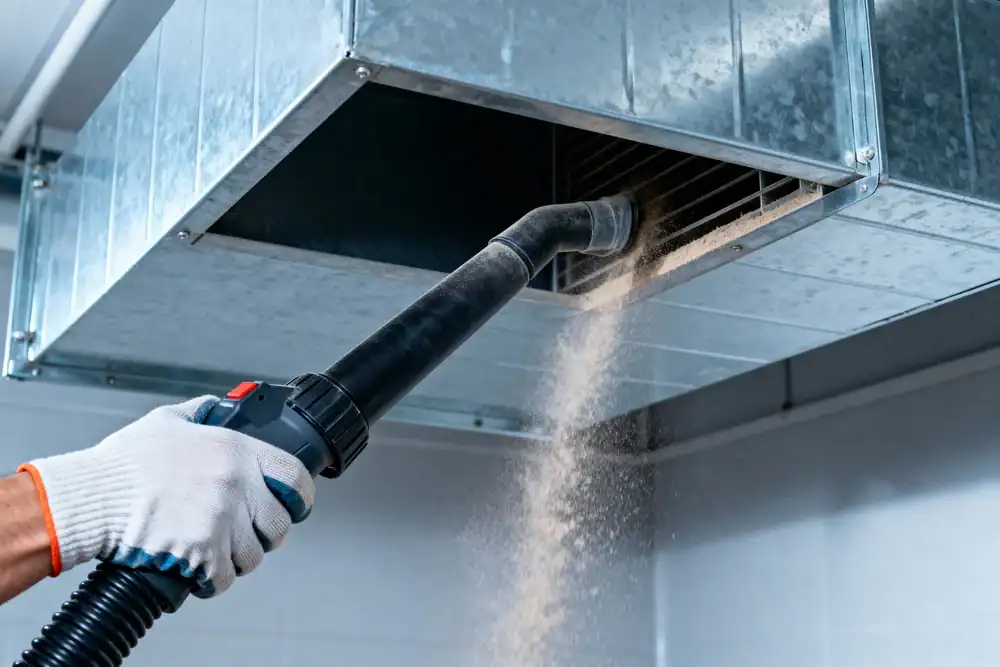
Then comes the actual cleaning. The system gets placed under negative pressure using a truck-mounted or portable HEPA vacuum. That means air is being pulled toward the collection device, not blown around your house. While that vacuum is running, technicians use rotary brushes, air whips, or compressed air tools to break contaminants loose from the duct surfaces. The vacuum captures everything—dust, debris, allergens—and filters it out before exhausting the air.
The whole system gets cleaned. Supply ducts, return ducts, trunk lines, the plenum, the blower compartment, registers, grilles. If they’re only vacuuming out the vents you can see and calling it done, that’s surface work. It might look cleaner, but it didn’t solve the problem.
You should see before-and-after documentation. Photos or video showing what was in the ducts and what they look like now. If a company isn’t willing to document their work, ask yourself why. Legitimate contractors are proud to show you the difference.
The equipment matters too. A shop vac pulling less than 1,000 CFM isn’t going to cut it. Real negative pressure systems pull 5,000 CFM or more. That’s what it takes to actually extract contaminants instead of just moving them from one part of the duct to another. If you see a contractor show up with a household vacuum and a brush on a stick, send them home.
How long does it take? For an average-sized home, thorough cleaning usually takes three to five hours. If someone’s promising to clean your entire system in an hour, they’re not doing it right. Duct cleaning is methodical work. It takes time to do it properly.
The best air duct cleaning company isn’t the one with the cheapest price or the flashiest ad. It’s the one that can prove they follow real standards, holds verifiable certifications, and treats your home with the care it deserves. NADCA certification, BBB accreditation, North Carolina contractor licensing—these aren’t just nice-to-haves. They’re the baseline for doing the job right.
You don’t have to be an expert to spot the red flags. $99 specials, instant mold diagnoses, high-pressure sales tactics, refusal to provide license numbers—these are all signs that you’re dealing with someone who’s more interested in your wallet than your indoor air quality. Ask the questions. Verify the credentials. Get everything in writing.
If you’re in Guilford County, NC and your ducts need attention, we’ve been doing this work since the early 1990s. We’re NADCA certified, BBB accredited, with over 66 five-star reviews from homeowners who’ve seen the difference. We’ll inspect your system, show you what’s actually in there, and give you a straight answer about what needs to be done. No games. No surprises. Just clean air.
Summary:
Share: