
Contact Info
- Greensboro, NC 27406
- Call: 336-707-0498
- Text: 336-707-0498
-
Mon - Fri: 8am - 4pm
Sat - Sun: Closed
Contact Info
Not sure whether to grab a DIY radon test kit or call a professional? The answer depends on what you're testing for and how you'll use the results.
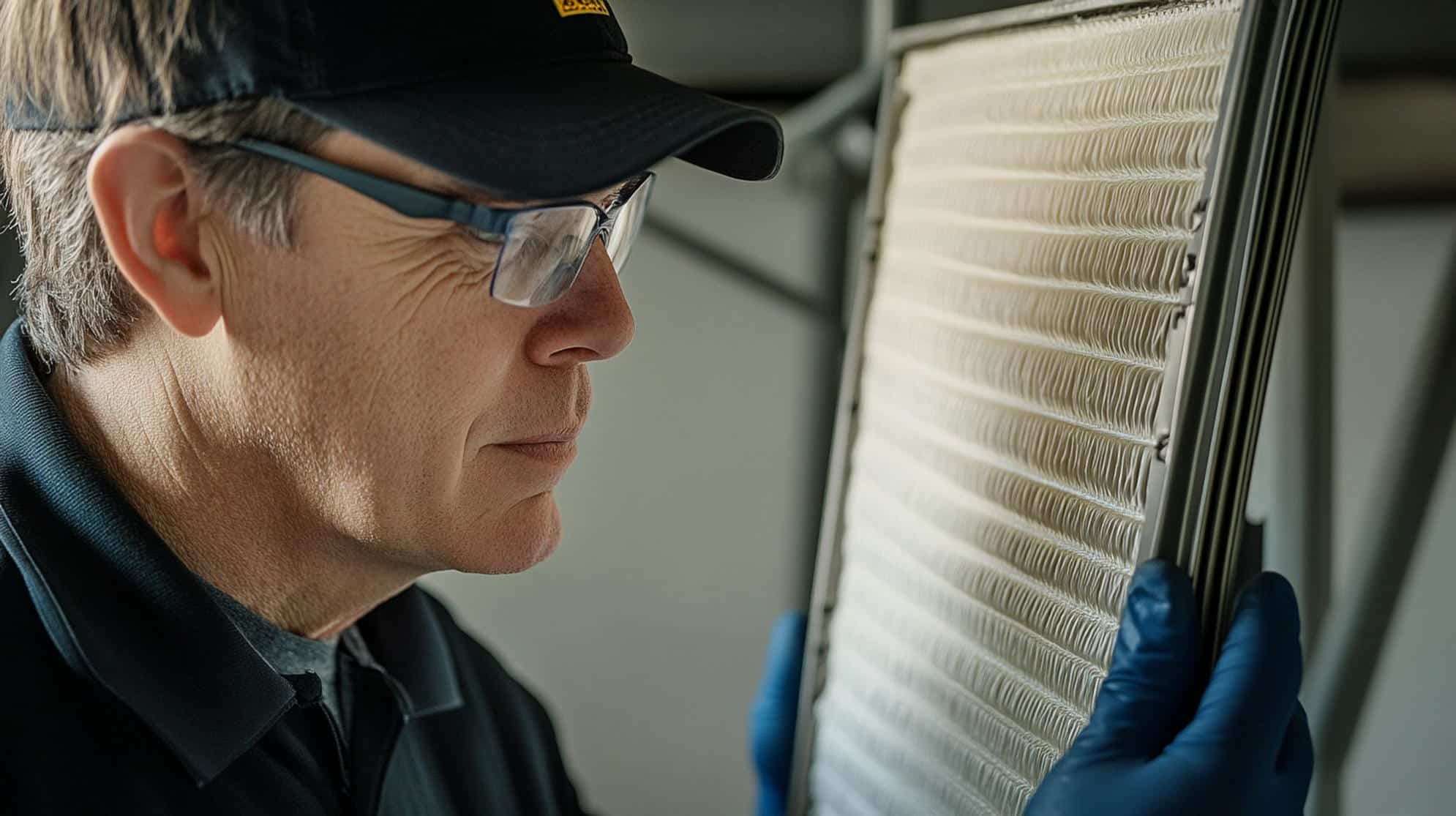
You’ve heard radon is dangerous. You know you should test for it. But standing in the hardware store aisle staring at a $20 test kit, you’re wondering if it’s really that simple—or if you’re about to waste money on something that won’t give you a straight answer.
Here’s the truth: radon test kits can work, but they’re not always the right tool for the job. Whether you need a quick screening or legally defensible results for a home sale, understanding the difference between DIY and professional testing will save you time, money, and second-guessing. Let’s walk through what actually matters when you’re trying to figure out if your home has a radon problem.
A radon test kit from the hardware store is basically a small device that sits in your basement for a few days, absorbs radon from the air, and then gets mailed to a lab for analysis. Most kits use activated charcoal or an alpha track detector. You open it, place it in the lowest lived-in level of your home, wait 2-7 days, seal it back up, and ship it off.
The lab counts the radioactive particles and sends you a number—usually within a few weeks. That number tells you the average radon concentration during that specific window of time. It’s measured in picocuries per liter (pCi/L), and the EPA says anything at or above 4.0 pCi/L means you should take action.
The appeal is obvious: kits cost $20-$50, they’re available at any hardware store, and you can do it on your own schedule. For a homeowner who just wants to know if there’s any radon in the house at all, a DIY kit can be a reasonable first step.
Here’s where things get tricky. The accuracy of a radon test kit depends almost entirely on how you use it. Charcoal tests are sensitive to humidity. If your basement is damp, the results can be off. If you place the kit near a drafty window, next to an exterior door, or in a spot where air moves around, you’re not getting a true reading of what’s happening in your living space.
Timing matters too. Radon levels fluctuate daily and seasonally based on weather, soil conditions, and how your home is being used. A short-term test captures a snapshot—maybe during a week of unusually high winds or right after a rainstorm when radon levels spiked. That snapshot might not reflect what your family is actually breathing most of the year.
The instructions on DIY kits are clear: keep windows and doors closed for at least 12 hours before you start, don’t run whole-house fans, and don’t test during severe weather. But in real life, people forget. A family member opens a window. The HVAC system runs differently than expected. Suddenly, your $30 test kit is giving you a number that’s either falsely low or falsely high.
Then there’s the wait. After you mail it in, you’re looking at days or even weeks before you get results. If you’re in the middle of a real estate transaction or trying to make a decision about mitigation, that delay adds stress. And if the result comes back borderline—say, 3.8 pCi/L—you’re left wondering if you should retest, and the whole process starts over.
For homeowners who already own their house and just want a rough idea of whether radon is present, a DIY kit can work. But if you need certainty, if you’re buying or selling, or if your first test came back high and you need confirmation, the limitations start to matter a lot more.
There are situations where a DIY radon test kit is perfectly fine. If you’ve lived in your home for years and you’re just curious about radon levels, spending $20-$40 on a charcoal kit is a low-risk way to get some initial information. If the result comes back low—under 2.0 pCi/L—you can feel reasonably confident that radon isn’t a major concern in your home right now.
DIY kits also work for routine rechecks. The EPA recommends testing your home every two years, and if you had professional testing done previously that showed low levels, a DIY kit can help you monitor whether anything has changed. It’s also useful if you’ve made changes to your home—like finishing a basement or adding new ventilation—and you want to see if radon levels shifted.
Another scenario: you’re not in a rush. You have time to order the kit, follow the instructions carefully, wait for the lab results, and potentially retest if needed. You’re treating it as a screening tool, not a final answer.
But here’s what a DIY kit isn’t good for: real estate transactions. Most buyers, sellers, and lenders won’t accept a DIY test result because there’s no way to verify that the conditions weren’t tampered with. A seller could open all the windows during the test to artificially lower the reading, and no one would know. That’s why real estate deals almost always require professional testing with tamper-resistant equipment.
DIY kits also aren’t ideal if you’re testing because you’re worried—maybe a neighbor had high radon, or you’ve read about the health risks and want to be sure your family is safe. In that case, the uncertainty that comes with a DIY test might leave you more anxious than before. You’ll wonder if you placed it right, if the humidity threw off the results, or if you should have tested longer. Professional testing eliminates that guesswork.
Want live answers?
Connect with a Clean Air LLC expert for fast, friendly support.
Professional radon testing costs more—typically $150 to $300 in Guilford County, NC, or around $125-$200 when bundled with a home inspection. But you’re not just paying for someone to drop off a device. You’re paying for calibrated equipment, certified expertise, and results that hold up under scrutiny.
We use a continuous radon monitor, or CRM. These are digital devices that take readings every hour for a minimum of 48 hours. They don’t just give you an average—they show you how radon levels fluctuate throughout the day and night. If there’s a spike at 3 a.m. or a drop when the HVAC kicks on, the CRM captures it. That data helps identify patterns and gives a much clearer picture of what’s actually happening in your home.
The equipment also has built-in tamper detection. If someone moves the device, opens a window, or tries to manipulate the test conditions, the monitor records it. That’s why professional testing is required for real estate transactions—it’s defensible. Buyers and lenders trust it because they know the results are legitimate.
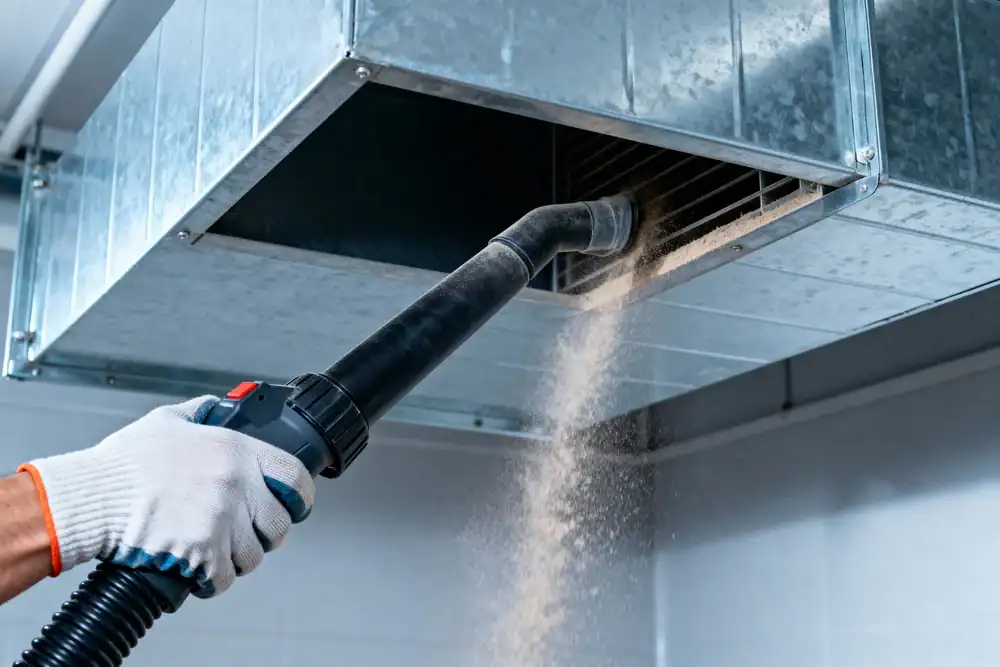
The difference between a $30 charcoal kit and a $2,000 continuous radon monitor isn’t just the price tag—it’s the technology. Professional CRMs use sensitive detectors that measure radon decay in real time. They’re calibrated regularly to ensure accuracy, and they’re tested against reference standards to make sure they’re working correctly. Studies show professional monitors maintain accuracy within 5-10% after just one week of testing, while DIY kits can vary by 25% or more depending on conditions and user error.
Certified radon testers also know where to place the equipment. It’s not just “somewhere in the basement.” It’s the lowest lived-in level, at least three feet off the ground, away from exterior walls, away from drafts, and in a spot that represents how the space is actually used. If your basement has multiple rooms or unusual airflow, we know how to account for that.
We also understand closed-house conditions. For at least 12 hours before the test and throughout the entire testing period, windows and doors need to stay closed except for normal entry and exit. Whole-house fans and window air conditioners that bring in outside air need to be off. We make sure you understand these requirements and can verify that they were followed.
When the test is done, you get more than just a number. You get a report that shows hourly radon levels, environmental conditions like temperature and humidity, and any anomalies that might have affected the test. If the result is high, we can walk you through what mitigation looks like, what it costs, and how effective it is. If the result is borderline, we can explain whether a follow-up test makes sense or if you should move forward with mitigation anyway.
For homeowners in Guilford County, NC, where U.S. Geological Survey studies have documented radon in groundwater with levels ranging from 37 to 6,300 pCi/L, professional testing provides the confidence that comes from knowing you’re working with someone who understands local geology and how radon behaves in this region.
If you’re buying or selling a home, professional testing isn’t optional—it’s standard practice. Real estate transactions move fast, and you need results that everyone involved can trust. A certified tester can complete the test in 48 hours, provide a detailed report, and give you answers before the inspection contingency expires. Most lenders won’t accept DIY results because there’s no third-party verification.
Professional testing also makes sense if your DIY test came back high or borderline. Let’s say your charcoal kit showed 4.2 pCi/L. That’s above the EPA action level, but it’s close enough that you want to be sure before you spend $1,500 on mitigation. A professional test will either confirm the problem or reveal that the DIY test was off due to placement, timing, or environmental factors.
If you have young children, elderly family members, or anyone with respiratory issues in your home, professional testing is worth the investment. Radon is the second leading cause of lung cancer, responsible for approximately 21,000 deaths annually in the U.S. When your family’s health is on the line, you want the most accurate information possible, not a rough estimate from a mail-in kit.
Homes in areas with known radon issues—like parts of Guilford County where geology increases radon risk—benefit from professional testing even if there’s no immediate reason to suspect a problem. Radon levels can vary dramatically from one house to the next, even on the same street. Professional testing gives you a baseline so you know where you stand.
Finally, if you value speed and certainty, professional testing is the clear choice. You don’t wait weeks for lab results. You get a report within a day or two of the test ending, and you can move forward with confidence. Whether that means breathing easier because levels are low or taking action because they’re high, you’re not left guessing.
The question isn’t whether radon test kits work—they do, when used correctly. The question is whether a DIY kit gives you the level of accuracy and confidence you need for your specific situation. If you’re doing a routine check, if you have time to wait for results, and if you’re comfortable with the possibility of retesting, a DIY kit can be a reasonable starting point.
But if you’re in a real estate transaction, if you need defensible results, or if you want to eliminate uncertainty, professional testing is the better investment. It costs more upfront, but it saves you from the frustration of wondering whether your DIY test was accurate, whether you should retest, or whether you’re making decisions based on incomplete information.
For homeowners in Guilford County, NC, we offer professional radon testing with the same NADCA-certified expertise and attention to detail that’s made us a trusted name in indoor air quality for over 30 years. Whether you’re buying a home, selling one, or just want to know your family is safe, professional testing gives you answers you can rely on.
Summary:
Share: