
Contact Info
- Greensboro, NC 27406
- Call: 336-707-0498
- Text: 336-707-0498
-
Mon - Fri: 8am - 4pm
Sat - Sun: Closed
Contact Info
Your sump pump doesn't care that it's 2 AM or that the power just went out. When it fails during a storm, you're looking at thousands in damage—unless you catch the warning signs first.
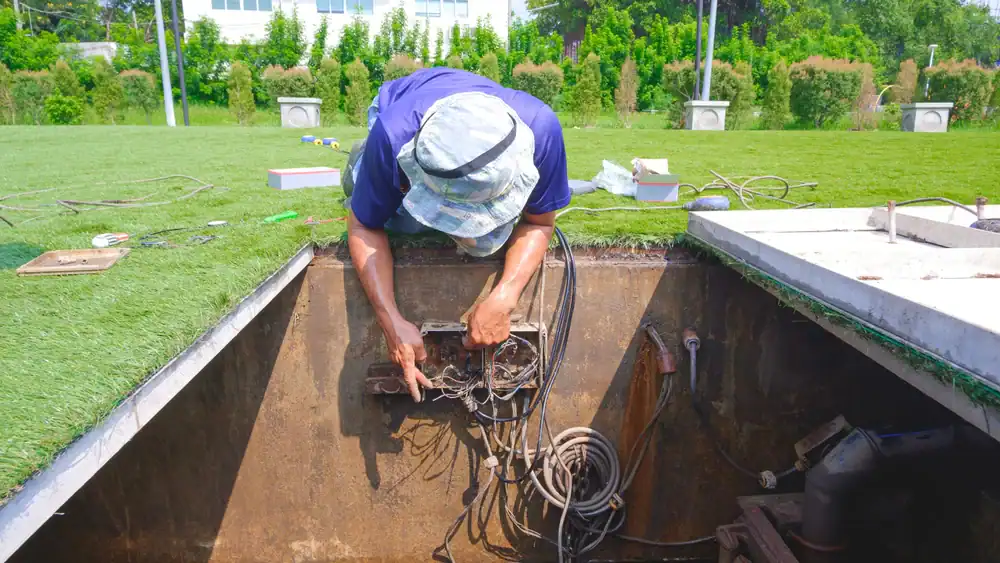
Sump pumps fail for predictable reasons. Power outages top the list—when the storm that’s flooding your basement also kills your electricity, your pump sits there doing nothing. That’s not a design flaw. It’s just how most pumps work.
But power isn’t the only culprit. Pumps that run too often burn out faster. If yours kicks on every few minutes, even when it’s not raining, something’s wrong. Could be a stuck float switch. Could be the pump’s undersized for your space. Either way, it’s working overtime, and that shortens its life.
Age matters too. Most sump pumps last seven to ten years. After that, parts wear down, motors get weaker, and the odds of failure during a heavy rain go up. If you can’t remember when yours was installed, it might be time to find out.
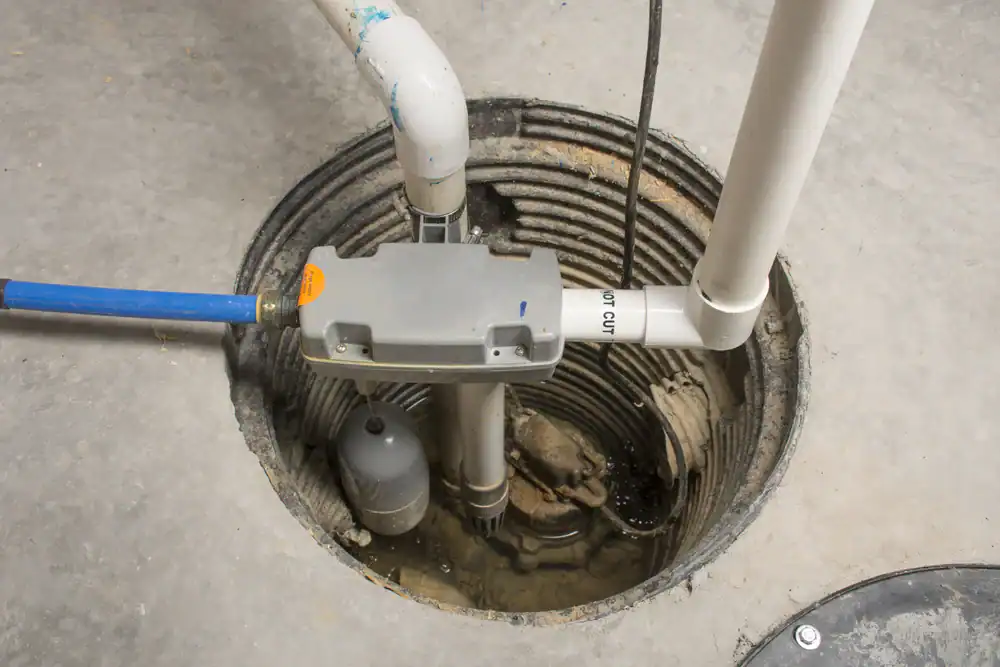
Here’s the thing about power outages in Guilford County, NC—they happen when you least want them to. Weather-related outages have nearly doubled in the last decade compared to the decade before. Storms that dump heavy rain are the same ones knocking out power lines.
Your sump pump doesn’t have a backup plan unless you’ve installed one. When the power cuts out, the pump stops. Water keeps coming. It doesn’t take long for a basement to flood once that pump goes silent.
A flooded basement isn’t just an inconvenience. It’s expensive. The average cost to clean up and repair water damage runs between $2,000 and $7,000. Severe flooding can push that number past $25,000 when you factor in structural repairs, mold remediation, and replacing damaged belongings.
Battery backup systems solve this problem. They kick in automatically when your primary pump loses power. They’re not cheap—expect to spend anywhere from $600 to $2,000 installed—but compare that to the cost of a flooded basement and the math makes sense.
The backup doesn’t need to run forever. Most systems give you five to fifty hours of runtime depending on capacity. That’s usually enough to get through the worst of a storm or until power comes back. And some insurance companies offer discounts if you have one installed, which helps offset the upfront cost.
If you’re in an area prone to outages, or if your basement has flooded before, a battery backup isn’t optional. It’s the difference between waking up to a wet basement and sleeping through the storm.
Sump pumps give you warning signs before they quit completely. The trick is noticing them before it’s too late.
Strange noises are the first clue. If your pump sounds like it’s grinding, rattling, or struggling, that’s not normal. It usually means something’s stuck in the impeller or a part is wearing out. Ignoring it won’t make it go away—it’ll just fail when you need it most.
Constant running is another red flag. A sump pump should turn on, do its job, and turn off. If it’s running nonstop, even when it’s dry outside, you’ve got a problem. Could be a stuck float switch, a pump that’s too small for the job, or a check valve that’s letting water flow back into the pit.
Visible rust tells you the pump or its components are corroding. Rust doesn’t just look bad—it weakens parts and can lead to clogs. If you see rust on the pump or in the water, it’s time to call someone.
Irregular cycling is when the pump turns on and off too frequently. This usually means the float switch is malfunctioning or there’s an electrical issue. Short-cycling wears out the motor faster and increases the chance of failure during heavy use.
Age is a factor you can’t ignore. If your pump is seven years old or older, it’s living on borrowed time. Even if it seems fine, older pumps are more likely to fail without warning. Replacing it before it quits is cheaper than dealing with a flooded basement.
If you’re seeing any of these signs, don’t wait for the next storm to find out if your pump still works. Get it checked now. A service call costs a lot less than water damage restoration.
Want live answers?
Connect with a Clean Air LLC expert for fast, friendly support.
Emergency repairs are expensive for a reason. When your pump fails during a storm, you’re not just paying for the repair—you’re paying for someone to drop everything and come out in bad weather, often at night or on a weekend. Emergency service rates can run two to three times the normal hourly rate.
But the real cost isn’t the service call. It’s what happens while you wait. Water doesn’t stop rising just because you made a phone call. Every hour that pump isn’t working, more water comes in. And once water damage starts, the clock is ticking. Mold can begin growing within 24 to 48 hours. Miss that window and you’re adding mold remediation to your bill.
Preventative maintenance costs a fraction of emergency repairs. A routine inspection and tune-up might run $150 to $300. That includes cleaning the pump, checking the float switch, testing the backup battery if you have one, and making sure everything’s working properly. Compare that to a $4,000 cleanup bill and it’s an easy decision.
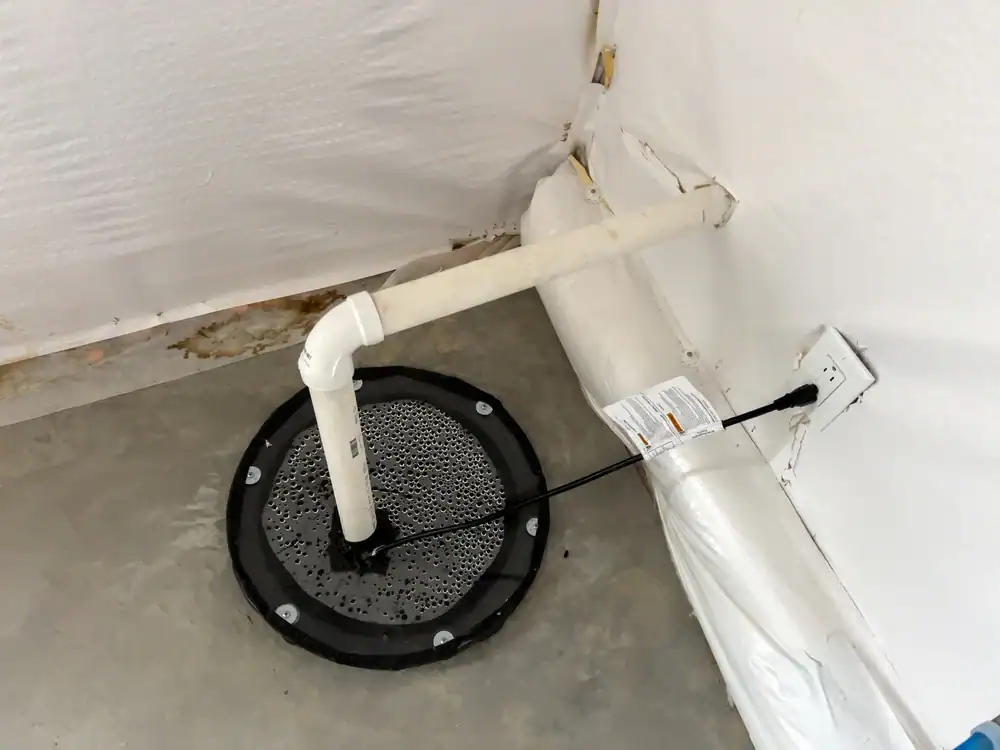
Let’s talk real numbers. Water damage isn’t just about mopping up and moving on. It’s about everything that water touches and everything that happens because of it.
A flooded basement typically causes around $25,000 in damage when you add it all up. That includes water extraction, drying out the space, repairing or replacing damaged materials, and dealing with mold if it develops. Even a few inches of water can ruin carpet, drywall, insulation, and anything stored in the basement.
The type of water matters too. Clean water from a burst pipe is the easiest and cheapest to deal with—around $3 to $4 per square foot for drying. But if that water’s been sitting or if it’s contaminated, costs go up. Gray water with detergents or other contaminants runs $4 to $6.50 per square foot. Black water from sewage or flooding can hit $7 to $15 per square foot, and that’s before you factor in the cost of replacing materials that can’t be saved.
Structural damage is where costs really escalate. If water weakens your foundation or damages floor joists, you’re looking at major repairs. Repairing significant structural damage can cost over 100 times more than fixing the initial leak.
Then there’s mold. Mold remediation typically costs between $500 and $6,000 depending on how far it’s spread. If it gets into your HVAC system, that number climbs higher because now you’re dealing with air quality issues throughout your entire home.
Insurance might cover some of this, but not always. Standard homeowners policies usually cover sudden water damage like a burst pipe, but they don’t cover flooding from storms or gradual leaks you should have fixed earlier. And even when insurance does pay, you’re still dealing with deductibles, claims processes, and the headache of coordinating repairs.
The bottom line: a sump pump repair that costs a few hundred dollars now can save you tens of thousands later. That’s not scare tactics. That’s just math.
Most experts recommend testing your sump pump at least twice a year—once before spring rains and again before fall storms. Testing is simple: pour a bucket of water into the sump pit and make sure the pump turns on, removes the water quickly, and shuts off when it’s done.
But testing isn’t the same as servicing. A proper service call includes cleaning the pump and pit, checking the float switch for proper operation, inspecting the discharge line for clogs or freezing, testing the check valve, and verifying the backup battery if you have one.
If your pump runs frequently because you’re in a high water table area or your basement tends to collect water, you should service it more often. Same goes if you’ve had problems in the past or if your pump is older.
The float switch is one of the most common failure points, and manufacturers often recommend replacing it every two years. It’s a relatively inexpensive part, but if it fails, your pump won’t turn on when it needs to.
Cleaning the inlet screen and removing debris from the pit is something you can do yourself between service calls. Dirt, gravel, and other debris can clog the pump and reduce its effectiveness. A clean pump is a reliable pump.
If you’re not comfortable servicing your own pump or if you’re not sure what to look for, call a professional. A service visit costs less than an emergency repair, and it gives you peace of mind knowing your system is ready for the next storm.
Neglecting maintenance is the number one reason sump pumps fail. Don’t let a $200 service call turn into a $5,000 water damage bill because you put it off too long.
Your sump pump is one of those things you don’t think about until it’s not working. And by then, you’re already dealing with water in your basement and a repair bill that could have been avoided.
The warning signs are there. Strange noises, constant running, visible rust, irregular cycling—these aren’t things that fix themselves. They’re your pump telling you it needs attention before it quits completely. And if your pump is seven years old or older, it’s already on borrowed time.
Emergency repairs cost more than prevention, and water damage costs more than both. A routine service call might run a couple hundred dollars. A flooded basement can run tens of thousands. The choice is pretty straightforward.
If you’re in Guilford County, NC and you haven’t had your sump pump checked recently, now’s the time. Don’t wait for the next storm to find out if it still works. We’ve been helping homeowners in the Greensboro area protect their homes for over 30 years. Reach out to us and get your system checked before the rain starts.
Summary:
Share: