
Contact Info
- Greensboro, NC 27406
- Call: 336-707-0498
- Text: 336-707-0498
-
Mon - Fri: 8am - 4pm
Sat - Sun: Closed
Contact Info
Storm season in Greensboro brings heavy rainfall and the real risk of basement flooding. Simple maintenance now prevents expensive sump pump repair later.
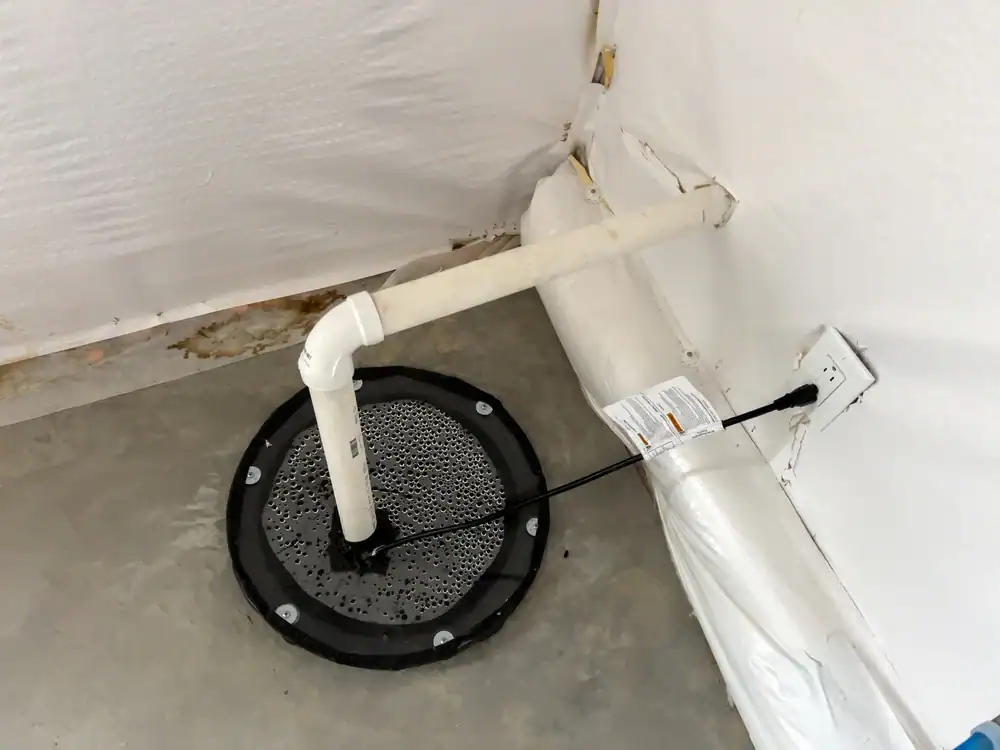
Greensboro gets about 45 inches of rain every year. That’s more than most of the country sees, and it means your sump pump isn’t just sitting idle in the basement. It’s working. And like anything that works hard, it wears down.
Most failures happen for predictable reasons. Power outages knock out about 40% of sump pumps during storms—the exact moment they’re supposed to be protecting your home. The rest fail because of clogs, stuck switches, or parts that finally gave out after years without maintenance.
The pumps themselves aren’t complicated. Water fills a pit, a float rises, the pump kicks on, and water gets pushed outside. Simple system. But dirt in the pit can jam the float. Debris in the discharge line can block the flow. A worn impeller can’t move water efficiently. And if you’ve never tested the system, you won’t know any of this until your basement starts flooding.
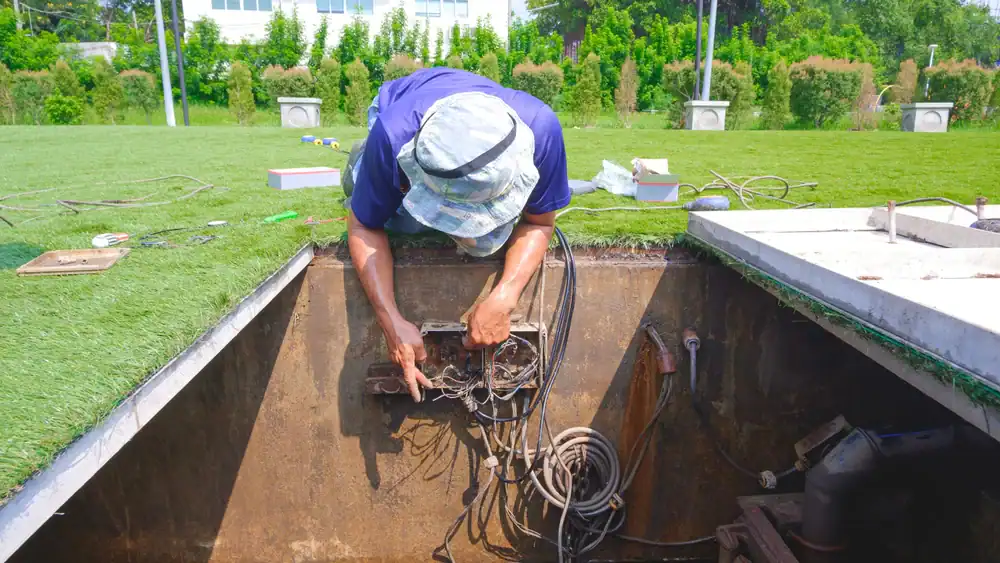
Testing a sump pump takes about five minutes. You pour a bucket of water into the pit and watch what happens. The float should rise, the pump should turn on, and the water should drain out quickly. If any part of that sequence doesn’t happen, you’ve got a problem—but at least you found it before the next storm rolled through.
Most experts say test it once before storm season starts. That’s usually early spring in Greensboro, NC, right before the heavy rains begin. If your pump runs frequently or handles a lot of water, test it more often. Once a month isn’t overkill if your basement tends to collect groundwater.
Here’s what you’re looking for during a test. The pump should start as soon as the float reaches the trigger point. No grinding noises, no hesitation, no weird smells. The water level should drop steadily, and the pump should shut off cleanly once the pit empties. Listen for the discharge—you should hear water flowing outside, not backing up somewhere in the line.
If the pump doesn’t turn on, check the power first. Sounds obvious, but a lot of “broken” pumps are just unplugged or tripped at the breaker. If it runs but doesn’t move water, the discharge line might be clogged or frozen. If it cycles on and off rapidly, the float switch could be stuck or the pump might be undersized for the job.
Testing also gives you a baseline. You’ll know how your pump sounds when it’s working right. That makes it easier to notice when something changes—a new noise, slower drainage, longer run times. Those are early warning signs, and catching them early means you’re scheduling maintenance instead of calling for emergency sump pump repair in the middle of a downpour.
Don’t skip this step. A sump pump that fails during a storm can cost you $10,000 or more in water damage. Testing takes five minutes and costs nothing except a bucket of water. The math isn’t complicated.
Skipping maintenance doesn’t break your sump pump immediately. It just makes failure inevitable. And when it fails, it’s going to happen during heavy rain when the pump is working hardest and your basement is most vulnerable.
Start with the pit itself. Over time, dirt, sand, gravel, and debris accumulate at the bottom. That sediment gets sucked into the pump intake, grinding against the impeller and wearing down the motor. Pumps are designed to move water, not mud. Every bit of grit that passes through shortens the lifespan and reduces efficiency.
The float switch is another common failure point. This is the mechanism that tells the pump when to turn on and off. If debris gets around the float or it gets stuck against the side of the pit, the pump either won’t start when water comes in or won’t shut off after the pit empties. Either scenario leads to problems—flooding in the first case, a burned-out motor in the second.
Discharge lines clog too. Leaves, dirt, ice in winter, even small animals can block the pipe that carries water away from your house. When the line is blocked, the pump runs but the water has nowhere to go. It backs up into the pit, the pump keeps running, and eventually the motor burns out from overwork. Or the line freezes during a cold snap and the same thing happens.
Then there’s the check valve, a one-way valve that prevents water from flowing back into the pit after the pump shuts off. If this valve gets stuck open, every gallon the pump just moved outside flows right back in. The pump has to work twice as hard to keep up, and it’s only a matter of time before something gives.
Most homeowners don’t think about their sump pump until it stops working. By then, you’re dealing with a flooded basement, damaged belongings, potential mold growth, and the cost of emergency repairs. Professional maintenance runs around $150 to $250 a year. Flood restoration can hit $20,000. The choice isn’t hard to figure out.
Regular maintenance catches these issues before they become emergencies. A technician cleans the pit, tests the float, checks the discharge line, inspects the check valve, and makes sure the pump is actually ready for storm season. It’s not exciting work, but it’s a lot better than standing in three inches of water at midnight trying to find an emergency plumber.
Want live answers?
Connect with a Clean Air LLC expert for fast, friendly support.
You don’t need to be a plumber to handle basic sump pump maintenance. A few simple checks throughout the year keep the system running and help you spot problems before they get serious.
Start with a visual inspection every few months. Pull the cover off the pit and look inside. Is there debris floating in the water? Gravel or dirt piled up at the bottom? Anything that looks like it doesn’t belong? Clear out what you can reach. The cleaner the pit, the less junk gets pulled into the pump.
Check the discharge line where it exits your house. Make sure water is actually flowing out and not pooling near the foundation. The line should direct water at least 10 to 20 feet away from the house. If it’s draining too close, you’re just recycling the same water back into the ground around your foundation, which defeats the whole purpose.
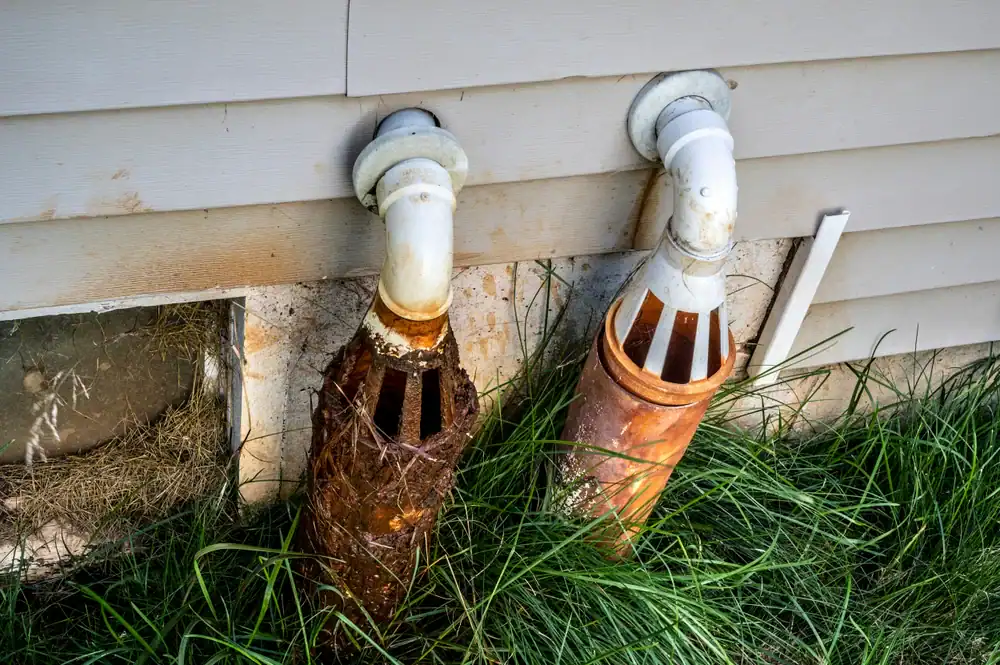
A deep clean once a year keeps your sump pump running efficiently. This is more involved than a quick visual check, but it’s still manageable if you’re comfortable working around water and basic tools.
First, unplug the pump. Always. You’re going to be working in water, and electricity and water don’t mix. Once the power is off, disconnect the discharge pipe. There’s usually a check valve somewhere along the line—you’ll need to drain the water that’s sitting in the pipe before you can fully disconnect it. Have a bucket ready.
Lift the pump out of the pit. It’s going to be wet and probably covered in slime, so gloves are a good idea. Set it on a tarp or take it outside if the weather cooperates. Use a garden hose to spray off the pump, paying attention to the intake screen at the bottom. That’s where debris gets sucked in, and it needs to be clear.
While the pump is out, clean the pit itself. Use a wet-dry vacuum to remove standing water and any sediment that’s collected at the bottom. Wipe down the walls of the pit. If there’s a lot of buildup, a mixture of water and vinegar works well for scrubbing without harsh chemicals. Just make sure you rinse everything thoroughly afterward.
Inspect the pump while it’s out. Look for cracks, rust, or any parts that seem worn. Check the float switch—it should move freely without sticking. If you see visible damage or the pump is more than seven years old, it might be time to think about sump pump replacement rather than just cleaning.
Reinstall the pump, reconnect the discharge line, and plug it back in. Then test it. Pour water into the pit and make sure everything works the way it should. The pump should activate, drain the pit, and shut off cleanly. If something seems off, that’s the time to call a professional, not during the next storm.
This whole process takes maybe an hour, and you only need to do it once a year. But that hour of work can add years to your pump’s lifespan and save you from dealing with a flooded basement. It’s not glamorous, but it’s effective.
Some maintenance you can handle yourself. Some problems need a professional. Knowing the difference saves you time and prevents you from making a small issue worse.
If your pump isn’t turning on at all, check the obvious stuff first. Is it plugged in? Did the breaker trip? Is the float switch stuck? If those all check out and the pump still won’t run, you’re looking at a motor problem or electrical issue. That’s when you call someone who knows what they’re doing.
Strange noises are another red flag. Sump pumps aren’t silent, but they shouldn’t sound like they’re grinding rocks or rattling apart. Unusual sounds usually mean something is caught in the impeller or the motor bearings are wearing out. Either way, continuing to run a pump that sounds wrong just accelerates the damage.
If the pump runs constantly without shutting off, you’ve got a problem. Could be a stuck float switch, could be a check valve that’s not closing, could be that the pump is undersized for the amount of water coming in. A professional can diagnose which issue you’re dealing with and fix it before the motor burns out from running nonstop.
Visible rust or corrosion on the pump is a sign it’s nearing the end of its life. Pumps sitting in water eventually corrode, especially if they’re not made from rust-resistant materials. Once rust starts, it spreads. You might get another season out of it, but you’re on borrowed time. A technician can tell you whether it’s worth repairing or if you should plan for sump pump installation of a new unit.
Frequent cycling—where the pump turns on and off every few minutes—indicates a problem with the float, the check valve, or possibly the pump size. This isn’t something you want to ignore. The constant starting and stopping wears out the motor much faster than normal operation.
Professional maintenance also catches things you might miss. Technicians test electrical connections, measure the pump’s flow rate, check the discharge line for blockages you can’t see, and inspect the backup battery if you have one. They’re looking for problems before they cause failures, which is exactly what preventive maintenance is supposed to do.
Most plumbers who handle sump pump repair in Greensboro, NC recommend annual professional service, especially before storm season. That service call costs a couple hundred dollars. Compare that to emergency repairs during a storm or the cost of flood damage, and it’s an easy decision.
You don’t have to do everything yourself. Basic checks and cleaning, sure. But when something’s actually wrong with the pump, calling a professional prevents you from turning a fixable problem into an expensive disaster.
Storm season in Greensboro, NC isn’t a question of if, it’s a question of when. And when those heavy rains come, your sump pump is either ready or it’s not. There’s no middle ground.
The maintenance steps we’ve covered—testing the pump, cleaning the pit, checking the discharge line, inspecting for wear—these aren’t complicated. They don’t require special skills or expensive tools. What they require is actually doing them before you need the pump to work.
Most sump pump failures are preventable. Most flooded basements could have been avoided. The difference comes down to whether you spent a little time on maintenance or waited until water was coming through the foundation to realize something was wrong.
If you’re not sure about the condition of your pump, or if it’s been more than a year since anyone looked at it, now’s the time to address that. Test it yourself if you’re comfortable with that. Or call someone who handles sump pump installation and repair professionally. Either way, don’t wait until the weather forecast shows three inches of rain headed your way.
We’ve been helping Greensboro homeowners protect their basements and crawl spaces for over 30 years. We know what fails, we know what works, and we know how to keep sump pumps running when they’re needed most. If your pump needs service, or if you want a professional to check it before storm season starts, we’re here to help.
Summary:
Share: