
Contact Info
- Greensboro, NC 27406
- Call: 336-707-0498
- Text: 336-707-0498
-
Mon - Fri: 8am - 4pm
Sat - Sun: Closed
Contact Info
Water pooling around your foundation isn't just annoying—it's a warning. Learn the red flags that mean your Greensboro property needs professional French drain installation before minor issues turn expensive.
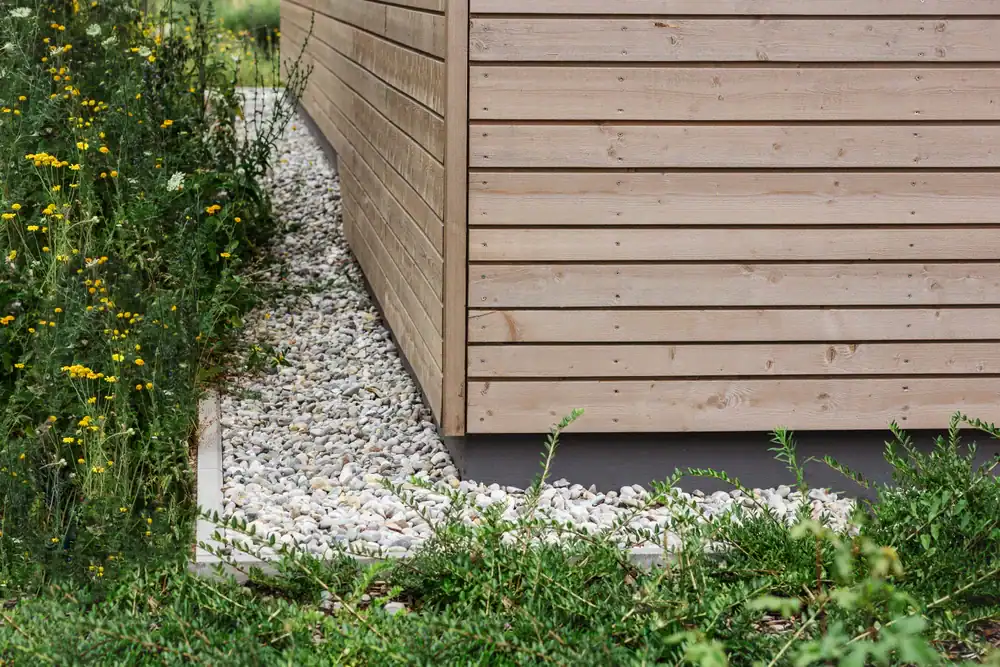
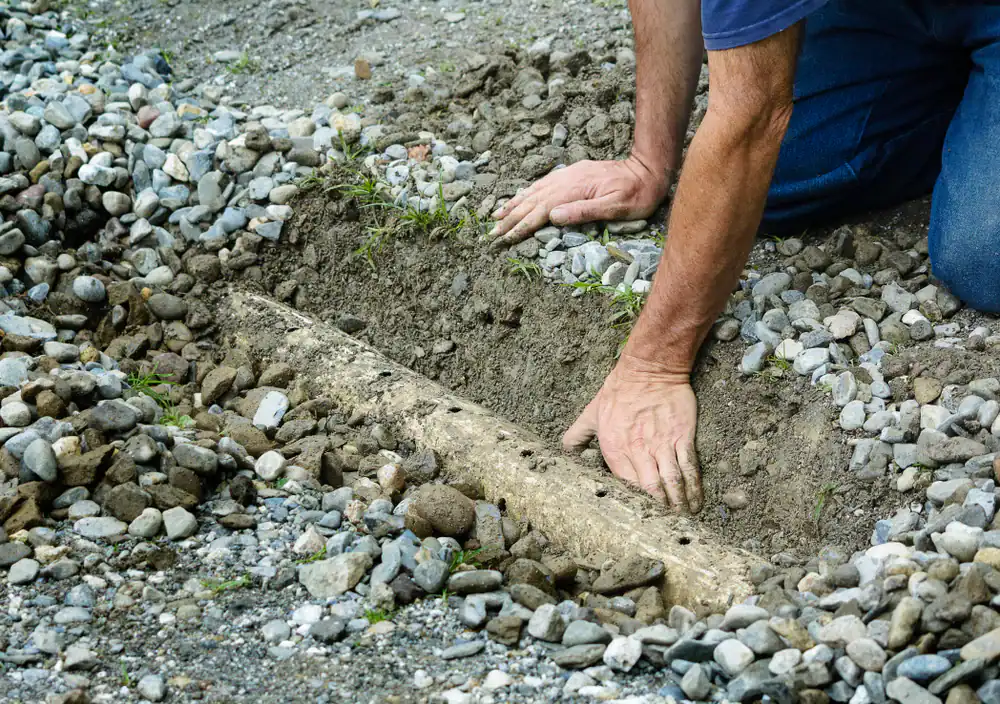
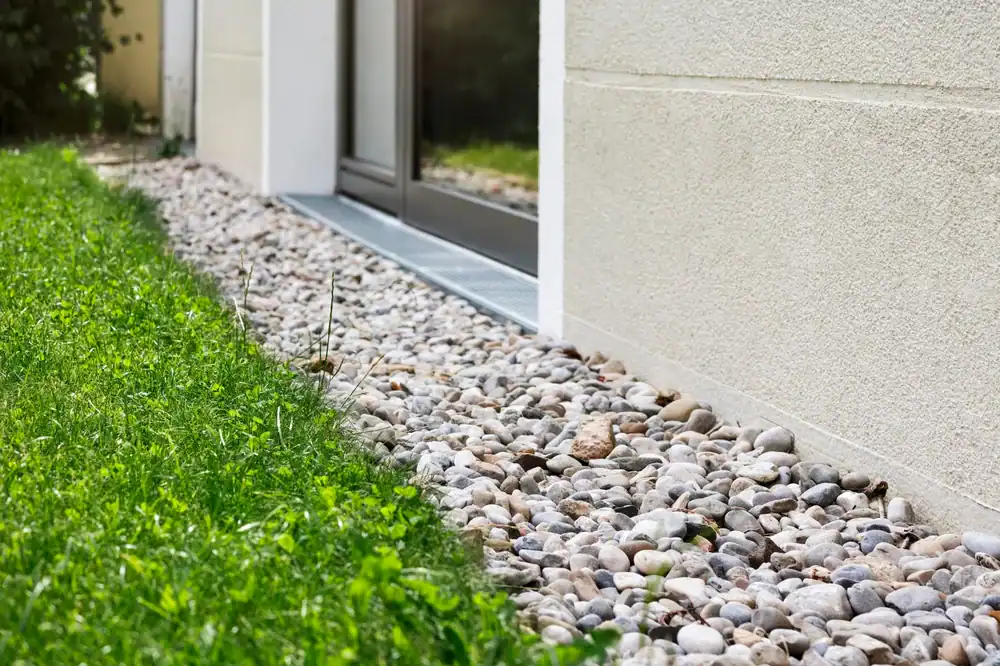
A French drain is a gravel-filled trench with a perforated pipe buried underground. Water seeps through the soil, filters into the gravel, enters the pipe through small holes, and gets redirected away from your foundation. Gravity does the work.
It’s not flashy. It’s not high-tech. But it’s one of the most reliable landscape drainage solutions for managing groundwater and preventing water from pooling where it shouldn’t. The system works passively, meaning once it’s installed correctly, it keeps doing its job without needing constant attention.
The key is in the installation. Slope matters—typically one percent grade or one inch per eight feet. Gravel type matters. Pipe placement matters. Get those wrong, and you’re just moving dirt around.
Greensboro sits on clay soil. That’s not speculation—it’s geology. Clay doesn’t drain. It holds water, expands when wet, and creates pressure against anything nearby, including your foundation.
When it rains in the Triad area, water doesn’t soak into the ground the way it would in sandy or loamy soil. Instead, it sits on the surface or moves slowly through compacted layers. If your yard doesn’t have proper grading or a functional drainage system, that water has nowhere to go except toward your house.
This isn’t a problem you can landscape your way out of. Mulch and plants won’t fix hydrostatic pressure. Neither will hoping for drier weather. The clay is doing what clay does, and without intervention, water will keep finding its way to the lowest point on your property—which is often right up against your foundation or into your crawl space.
That’s where French drain installation comes in. It intercepts groundwater before it reaches vulnerable areas. It redirects surface runoff that would otherwise saturate the soil around your home. And it does it in a way that works with Greensboro’s soil conditions, not against them.
If you’ve noticed water pooling in the same spots after every rain, or if your crawl space smells damp even during dry stretches, the clay isn’t going to change. Your drainage system needs to. Proper waterproofing starts with controlling where water goes before it becomes a foundation threat.
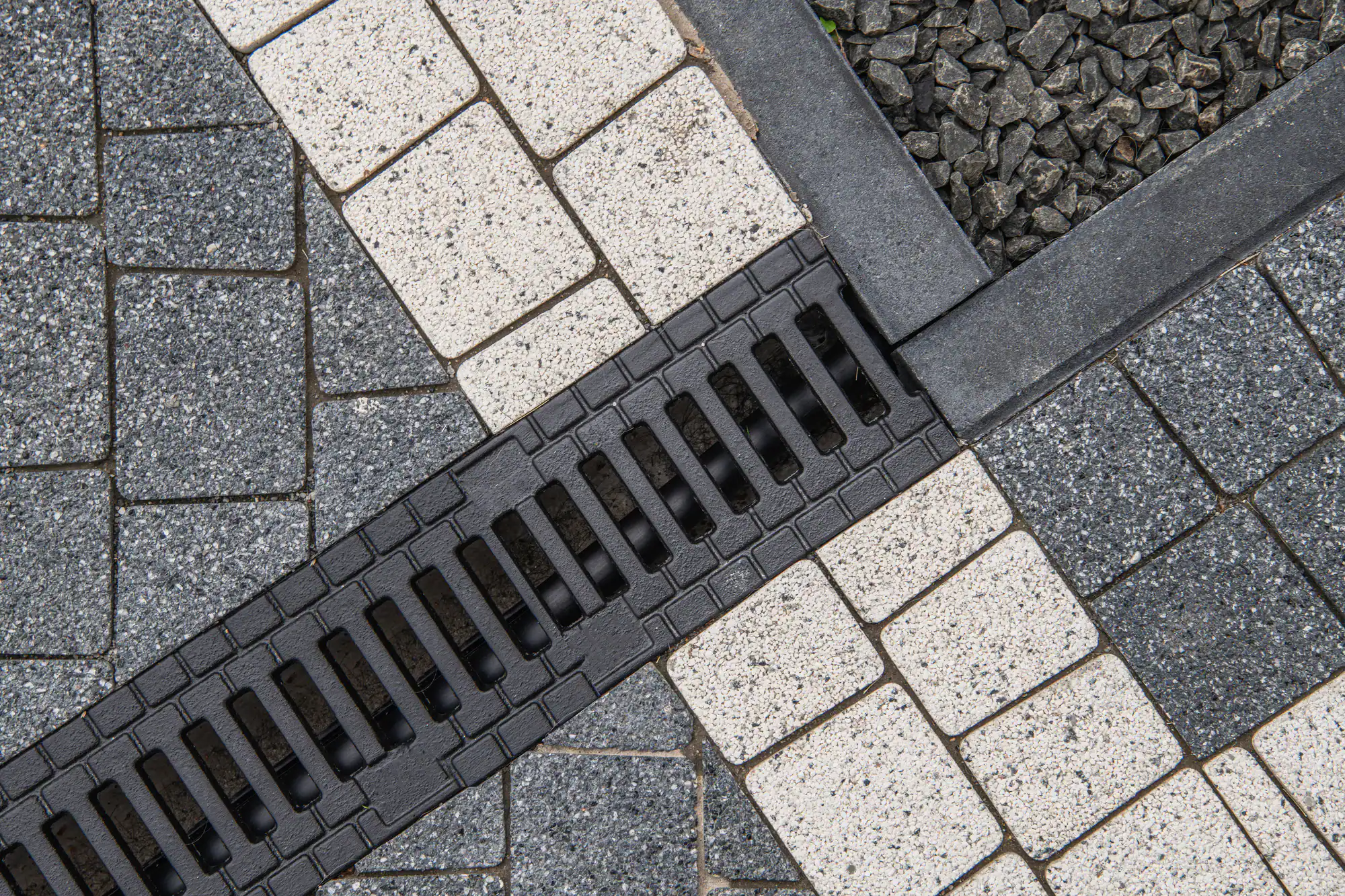
Not all drainage problems need the same fix. French drains handle subsurface water—the kind that seeps through soil and builds pressure underground. Trench drains handle surface drainage—the kind that runs across driveways, patios, or sloped areas and needs to be captured quickly before it floods.
The difference matters because using the wrong system won’t solve your problem. If water is pooling on your driveway or patio, a French drain won’t help much. You need a surface solution like a trench drain with a grate that collects water before it spreads. But if you’re dealing with a wet basement, foundation cracks, or a soggy yard that never dries out, you’re looking at groundwater issues. That’s French drain territory.
Sometimes properties need both landscape drainage solutions. A trench drain might handle runoff from a steep driveway, while a French drain manages water seeping into the crawl space. The key is diagnosing where the water is coming from and where it’s going.
Here’s a simple way to think about it: if the water is visible on the surface and moving fast, you need surface drainage like a trench drain system. If the water is underground, saturating soil, or showing up as dampness in your basement or crawl space, you need subsurface drainage. French drains work below ground, creating a path for water to follow before it causes damage. They’re designed for the slow, persistent moisture that clay soil traps and holds.
In Greensboro, NC, most homeowners dealing with foundation issues or crawl space moisture need a French drain. Surface drainage helps with immediate runoff, but it doesn’t address the water that’s already in the soil, pushing against your foundation, or creating hydrostatic pressure that leads to cracks and leaks. That requires a system that intercepts water where it starts—underground. Professional waterproofing combines both approaches when necessary to give you complete protection.
Want live answers?
Connect with a Clean Air LLC expert for fast, friendly support.
Your property gives you signals when drainage is failing. Some are obvious. Some are easy to miss until the damage is already done.
Here are the five red flags that mean it’s time to stop waiting and start fixing the problem. If you’re seeing more than one of these, the issue isn’t going away on its own—and the longer you wait, the more expensive the solution becomes.
If you have the same puddle in your yard every time it rains, that’s not normal. Water should drain within a few hours, maybe a day at most. If it’s still sitting there 24 hours later, you’ve got a serious drainage problem that needs professional attention.
Standing water isn’t just ugly. It kills grass, attracts mosquitoes, and signals that the soil underneath is completely saturated. When soil stays wet, it creates pressure against your foundation. Over time, that pressure causes cracks, shifts, and leaks. It’s not dramatic. It’s gradual. But it’s expensive—sometimes more than $25,000 in property damage from just one inch of water intrusion.
In Greensboro, NC, clay soil makes this worse. Water doesn’t percolate down through clay the way it does through sand or gravel. It sits. And sits. And eventually, it finds a way into your crawl space, basement, or foundation wall. By the time you notice dampness inside, the problem has been building for weeks or months.
French drain installation intercepts that water before it becomes a foundation issue. It gives the water a path to follow—away from your house, toward a drainage area where it can’t cause damage. The system works with gravity, so there’s no pump to maintain or electricity to worry about. It just redirects water, passively and continuously.
If you’re seeing standing water in the same spot repeatedly, don’t assume it’s just poor grading. Grading helps with surface drainage, but if the soil underneath is clay, regrading alone won’t fix the saturation problem. You need a way to move water out of the soil, not just off the surface. That’s what French drains do—they provide landscape drainage solutions that work below ground where the real problem exists.
Cracks in your foundation don’t appear overnight. They develop slowly as water saturates the soil around your home, creating hydrostatic pressure. That pressure pushes against concrete, and eventually, the concrete gives. Small cracks turn into bigger cracks. Bigger cracks let water in. And once water is inside, you’re dealing with a much more expensive waterproofing problem.
Basement moisture shows up in different ways. Sometimes it’s obvious—puddles on the floor, water stains on the walls. Other times it’s subtle. A musty smell. Damp air. White, chalky residue on concrete called efflorescence, which appears when water evaporates and leaves minerals behind. All of these are signs that water is getting through your foundation and your current drainage system isn’t doing its job.
Crawl space moisture works the same way. You might not see standing water, but if the space smells damp, if insulation is sagging, if there’s mold on the joists, water is present. And if water is in your crawl space, it’s affecting the air quality in the rest of your house. Moisture rises. Mold spores travel. What happens in the crawl space doesn’t stay in the crawl space—it impacts your entire home’s indoor air quality.
French drain installation prevents this by managing water before it reaches your foundation. The system is typically installed around the perimeter of a home, creating a barrier that intercepts groundwater and redirects it. The drainage solution keeps soil from becoming oversaturated, which reduces hydrostatic pressure and prevents the conditions that cause cracks and leaks.
If you’re already seeing cracks or moisture, the damage is active. Sealing cracks might stop water temporarily, but if you don’t fix the drainage problem, the pressure will just create new cracks somewhere else. You need to address the source, not just the symptom. That means controlling where water goes before it gets to your foundation. A French drain does exactly that—it’s the foundation of effective waterproofing, working alongside other solutions like crawl space encapsulation to keep your home dry and protected.
Water doesn’t negotiate. It finds the path of least resistance, and in Greensboro, NC, that path often leads straight to your foundation. Clay soil, heavy rain, and poor drainage create a situation where small problems turn into big expenses if you wait too long.
The red flags are clear. Standing water that won’t drain. Foundation cracks. Damp basements or crawl spaces. Soggy yards. Mold or musty smells. If you’re seeing any of these, your property is telling you something needs to change—and the right landscape drainage solutions can prevent thousands in future repairs.
French drain installation isn’t about perfection. It’s about protecting what you’ve built. It’s about keeping water where it belongs so your foundation, your crawl space, and your yard stay dry and stable. Since 1991, we’ve been helping Greensboro homeowners solve moisture and drainage problems with waterproofing systems that actually work. If you’re ready to stop dealing with the same water issues every time it rains, reach out. We’ll assess your property, explain what’s happening, and show you what a real solution looks like.
Summary:
Share: