
Contact Info
- Greensboro, NC 27406
- Call: 336-707-0498
- Text: 336-707-0498
-
Mon - Fri: 8am - 4pm
Sat - Sun: Closed
Contact Info
Dirty ducts cost Greensboro businesses more than high energy bills—they drain productivity, increase sick days, and shorten HVAC lifespan. Here's what smart facility managers know.
Commercial duct cleaning removes the accumulated contamination hiding inside your HVAC system. We’re talking about dust, pollen, mold spores, bacteria, and debris that’s been building up for years. This isn’t surface-level work. Professional ductwork cleaning targets every component—supply ducts, return air ducts, registers, grilles, and the air handler itself.
Your HVAC system cycles air constantly. Every time it runs, particles get pulled in and some of them stick to duct walls. Over time, that buildup restricts airflow and gets redistributed throughout your building. The result? Poor indoor air quality that affects everyone inside.
When done correctly, commercial air duct cleaning uses specialized equipment to create negative pressure in your system, pulling debris out without releasing it into your workspace. It’s thorough, it’s targeted, and the difference is noticeable immediately.

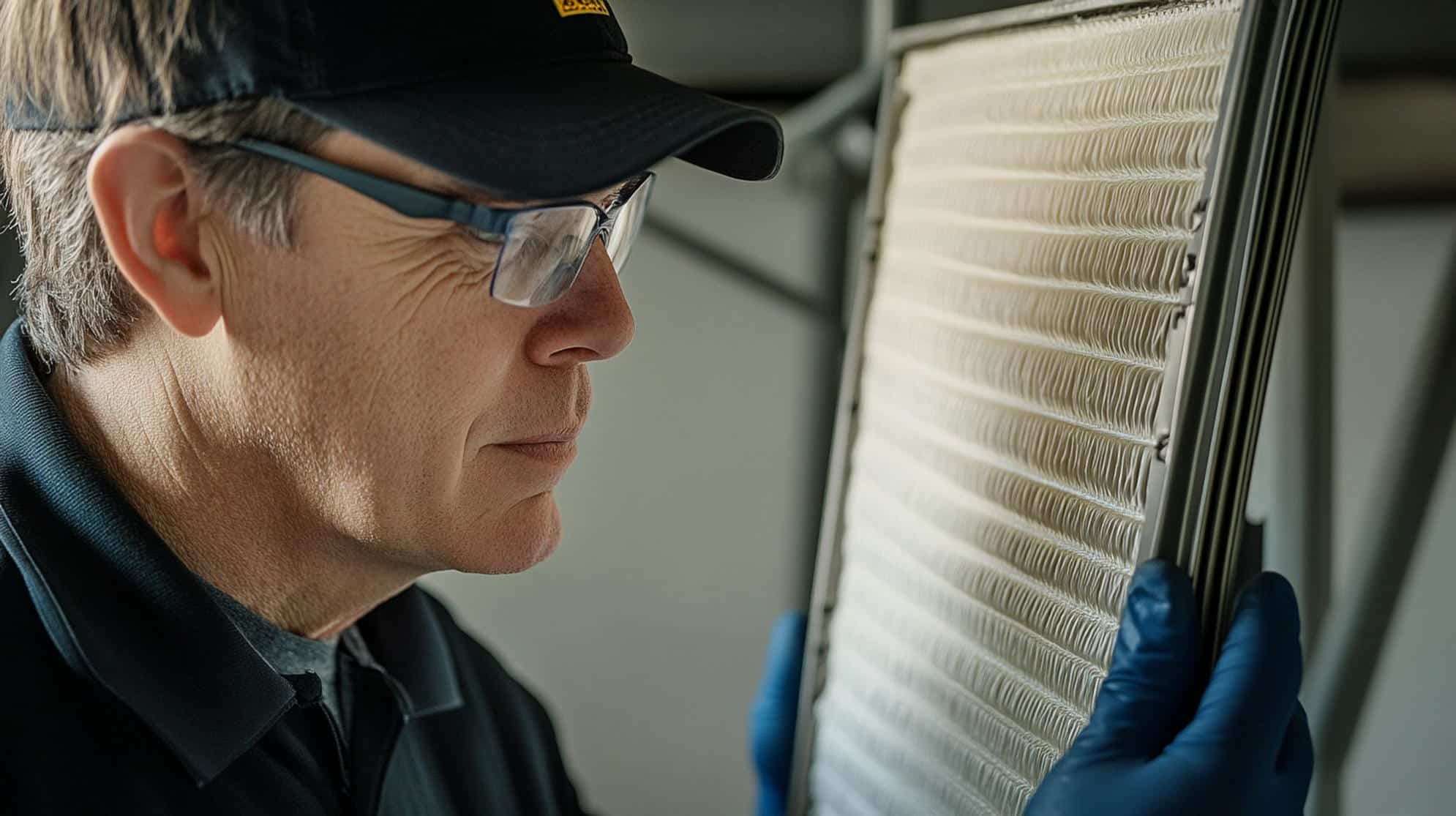
The process starts with a complete inspection of your HVAC system. A qualified technician examines your ductwork layout, checks for visible contamination, and identifies any problem areas like mold growth or pest activity. Many professionals use video cameras to see inside ducts and document what needs attention. This inspection phase is critical because it determines the scope of work and helps avoid surprises later.
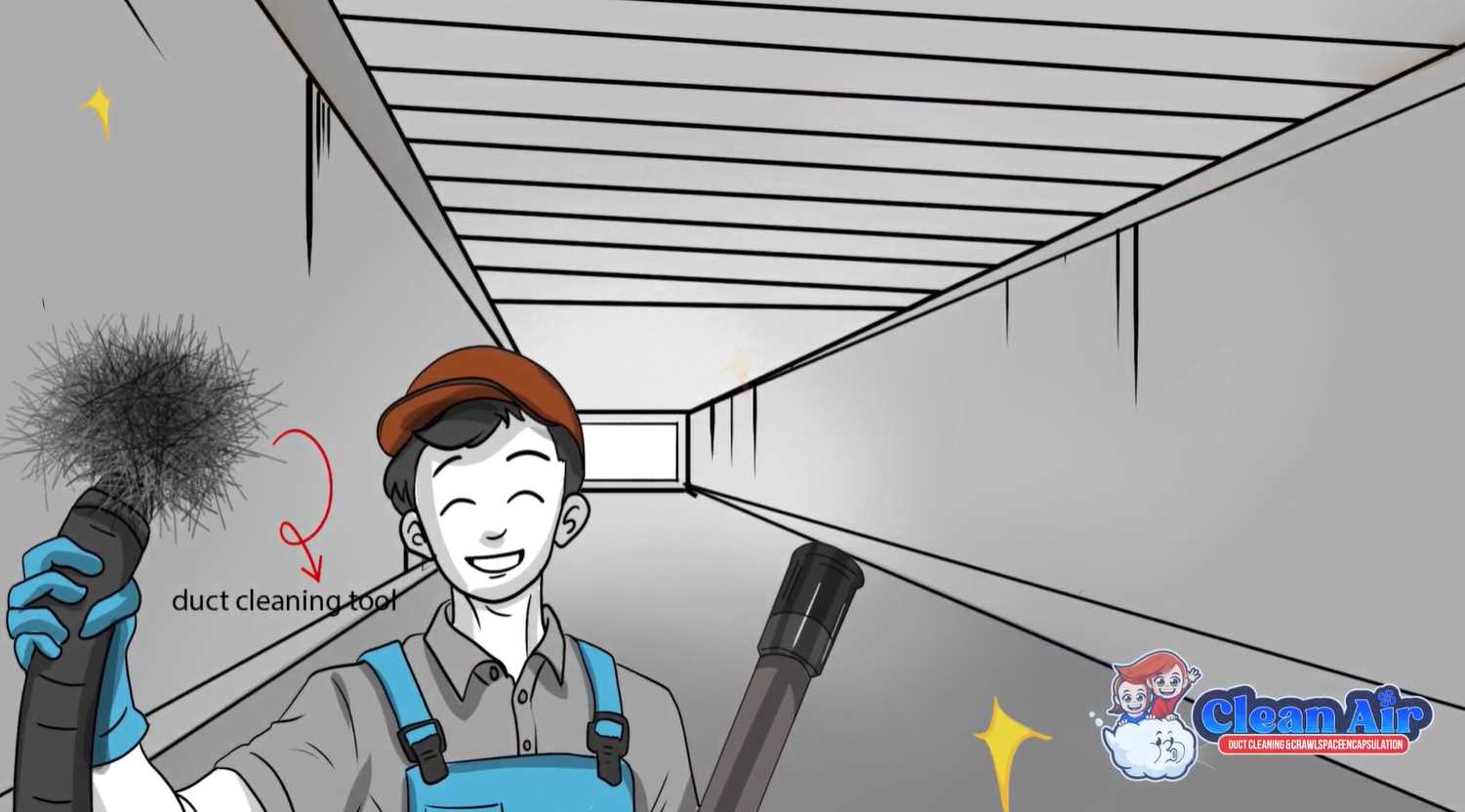
Once the assessment is complete, the cleaning begins. The technician connects a high-powered vacuum to your system, creating negative pressure that pulls air through the ductwork. While that vacuum runs, specialized brushes and agitation tools are inserted into the ducts to dislodge stuck-on debris from duct walls. Everything that gets loosened—dust, dirt, mold, allergens—travels through the system and into the vacuum, completely removed from your building.
This source removal method is the gold standard in the industry. It’s not a quick blow-and-go service. It’s a systematic cleaning of every accessible section of your ductwork, including supply lines, return lines, and all the components in between. The technician will clean registers, grilles, diffusers, and often the blower motor and coils inside the air handler.
After the mechanical cleaning, some services offer sanitization. This involves applying an EPA-registered antimicrobial treatment to duct surfaces to kill bacteria and prevent future mold growth. It’s an optional add-on, but it provides an extra layer of protection, especially for facilities with high humidity or previous mold issues.
The entire process can take anywhere from a few hours for a small office to a full day or more for larger commercial buildings with complex HVAC systems. A reputable contractor will work around your schedule to minimize disruption, often performing the work after hours or on weekends if needed. You’ll be able to use your building during the cleaning, though you may hear equipment running and see technicians moving through the space.
Dirty ducts don’t announce themselves with flashing lights, but they cost you money every single day. When debris clogs your ductwork, your HVAC system has to work harder to push conditioned air through those obstructions. That means longer run times, higher energy consumption, and utility bills that creep up month after month. The U.S. Department of Energy estimates that 25 to 40 percent of energy used for heating and cooling is wasted when systems aren’t properly maintained. That’s real money leaving your account because your ducts are full of junk.
The impact on your team is even more expensive. Poor indoor air quality triggers a cascade of health complaints—headaches, fatigue, respiratory irritation, difficulty concentrating. Employees who don’t feel well either call in sick or show up and underperform. Research shows that poor air quality can decrease office work performance by 6 to 9 percent. For a team of 20 people, that’s like losing more than one full-time employee’s productivity every single day.
Studies also demonstrate that employees working in well-ventilated offices with low pollutant levels show double the cognitive function compared to those in spaces with average contamination. That means faster decision-making, better problem-solving, and fewer errors. When you improve indoor air quality, you’re not just making people more comfortable—you’re making them sharper and more effective at their jobs.
Then there’s the toll on your HVAC equipment. Dust and debris don’t just restrict airflow—they coat components like coils, blower motors, and heat exchangers. According to the EPA, a buildup of just 0.42 inches of dirt on a heating or cooling coil reduces efficiency by 21 percent. Your system has to run longer to achieve the same result, which accelerates wear and tear. That leads to more frequent breakdowns, expensive repairs, and a shorter lifespan for equipment that should last 15 to 20 years.
Commercial HVAC cleaning extends system life by removing the contaminants that cause premature failure. When technicians clean your ductwork, they also inspect for issues like leaks, damaged insulation, or disconnected sections. Catching those problems early prevents bigger headaches down the road. Regular vent cleaning isn’t an expense—it’s insurance against the much higher costs of neglect.
Want live answers?
Connect with a Clean Air LLC expert for fast, friendly support.
You don’t have to guess whether your ducts need cleaning. The signs are usually obvious once you know what to look for. Excessive dust is the most common indicator. If you’re wiping down surfaces and they’re covered again within a day or two, your HVAC system is blowing dust into the space faster than you can clean it up. That dust is coming from your ductwork.
Musty or stale odors when the system runs are another red flag. If you smell something unpleasant every time the heat or AC kicks on, there’s likely mold, mildew, or organic debris decomposing inside your ducts. Employee complaints about allergies, sinus issues, or feeling sick at work should also get your attention. When people consistently feel better outside the building than inside it, poor indoor air quality is usually the reason.
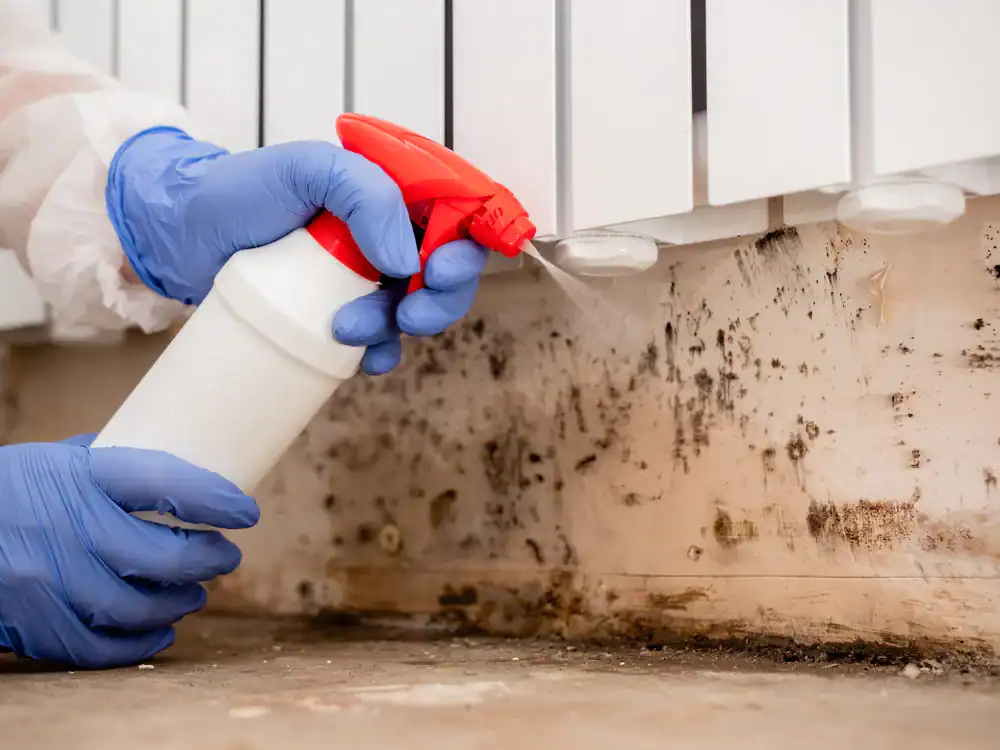
Visible mold growth around vents or inside ductwork is a serious issue that requires immediate action. Uneven heating or cooling—where some areas are comfortable and others are too hot or too cold—often indicates blocked or restricted airflow caused by debris buildup. And if your energy bills have been climbing without a corresponding increase in usage, your HVAC system is working harder than it should, likely because dirty ducts are forcing it to.

The National Air Duct Cleaners Association recommends commercial duct cleaning every three to five years for most facilities. That’s a baseline. Your actual schedule depends on your industry, building usage, and environmental factors. High-traffic businesses like retail stores, restaurants, fitness centers, and medical offices accumulate contaminants faster because of the sheer volume of people moving through the space. In those environments, cleaning every two to three years makes more sense.
Manufacturing facilities face different challenges. If your operation generates dust, fumes, or airborne particles as part of normal production, your ductwork fills up quickly. Some manufacturers need quarterly or semi-annual cleaning to stay compliant with health and safety regulations. Food processing plants and pharmaceutical facilities have even stricter requirements because contamination can directly impact product safety.
If your building has recently undergone renovations or construction, schedule AC duct cleaning as soon as the work is finished. Construction debris—drywall dust, sawdust, insulation fibers—gets pulled into your HVAC system and distributed throughout the building. Leaving that debris in your ducts means you’ll be breathing it for months or years until you finally address it.
Water damage, leaks, or flooding also demand immediate attention. Moisture in ductwork creates ideal conditions for mold growth, which can start within 24 to 48 hours. Once mold establishes itself inside your ducts, it spreads spores throughout your building every time the system runs. That’s a health hazard and a liability you don’t want to ignore.
Seasonal factors matter too, especially in Greensboro, NC. Pollen, grass, and ragweed allergens spike when the weather warms up. If your facility’s air quality noticeably worsens during certain times of the year, it’s a sign that outdoor allergens are getting into your system and accumulating in your ducts. A pre-season cleaning can make a significant difference in indoor air quality during peak allergy months.
Don’t wait for problems to become crises. Proactive maintenance is always cheaper than reactive repairs. A qualified duct cleaning company can assess your facility and recommend a schedule that fits your needs and budget.
When you hire a professional for commercial air duct cleaning in Greensboro, NC, the quality of service matters more than the price. A reputable company will start with a detailed consultation. We’ll ask about your building’s age, your HVAC system’s maintenance history, and any specific concerns like odors, dust, or employee complaints. This conversation helps us understand what you’re dealing with and tailor our approach accordingly.
The inspection comes next. A thorough technician will examine your entire HVAC system, not just the parts that are easy to reach. We’ll look for visible contamination, check for mold or pest activity, and assess the overall condition of your ductwork. Many companies use video inspection equipment to document what’s inside your ducts. This gives you a clear picture of the problem and helps justify the cost of the service.
During the cleaning itself, you should expect a comprehensive approach. That means cleaning supply ducts, return ducts, registers, grilles, diffusers, and the air handler. Some companies cut corners by only cleaning the visible parts or skipping components that require extra effort. That’s not acceptable. You’re paying for a complete system cleaning, and that’s what you should get.
Look for companies with NADCA certification. The National Air Duct Cleaners Association sets industry standards for HVAC cleaning, and certified technicians are trained in proper methods, safety protocols, and equipment use. NADCA certification isn’t just a credential—it’s proof that the company follows best practices and takes the work seriously. We have NADCA-certified personnel on staff, which means you’re getting service that meets the highest industry standards.
Transparency is non-negotiable. A good contractor will explain what they’re going to do, how long it will take, and what it will cost before they start any work. We provide a detailed quote with no hidden fees. After the cleaning, we’ll show you the results—whether that’s through before-and-after photos, video footage, or a walkthrough of what was removed from your system. If a company is vague about their process or reluctant to answer questions, walk away.
Pricing for commercial duct cleaning in Greensboro, NC varies based on building size, system complexity, and contamination level. Smaller offices typically start around $1,000, while larger facilities with multiple HVAC systems can run $5,000 or more. It’s not a trivial expense, but the return on investment is clear. Lower energy bills, fewer sick days, better productivity, and a longer-lasting HVAC system all add up to savings that far exceed the upfront cost.
Commercial duct cleaning isn’t about aesthetics or compliance checkboxes. It’s about creating a workplace where people can focus, perform, and stay healthy. When your team isn’t battling headaches, allergies, or fatigue caused by poor air quality, they’re more productive, more engaged, and more likely to stay with your company long-term.
The financial benefits are just as compelling. You’re reducing energy waste, extending the life of expensive HVAC equipment, and avoiding the costly repairs that come from neglect. You’re also cutting down on absenteeism and the productivity losses that come with employees who show up but can’t perform at their best. Every dollar you invest in clean air delivers measurable returns.
If your Greensboro, NC facility hasn’t had its ducts cleaned in the past few years—or if you’ve never had it done—now is the time to act. We’ve been serving local businesses for more than three decades, and we understand what it takes to deliver real results. Reach out today and let’s talk about what clean ductwork can do for your workplace.
Summary:
Share: